 Weather: 614-526-6500

Adaptive baseball isn't one kind of game. Traditional baseball with accommodations, Miracle League, Little League Challenger Division, and beep baseball offer different experiences. The player's preferred style of play and support are the useful starting points; eligibility, access, and registration are settled locally.
What adaptive and inclusive baseball means
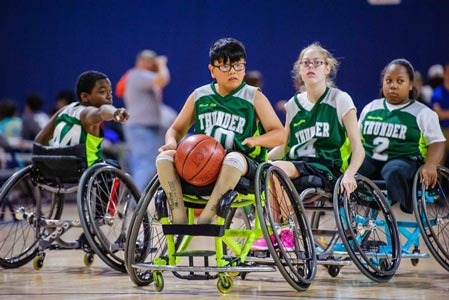
Inclusive programs can adapt the game, equipment, playing environment, or assistance. Possibilities include a tee, shorter innings, volunteer buddies, audible gear, and accessible fields. Conventional baseball with reasonable accommodations is another option when feasible. For dugouts, parking routes, and playing-area access, see what “accessible” means at a baseball field.
The main ways to play adaptive baseball
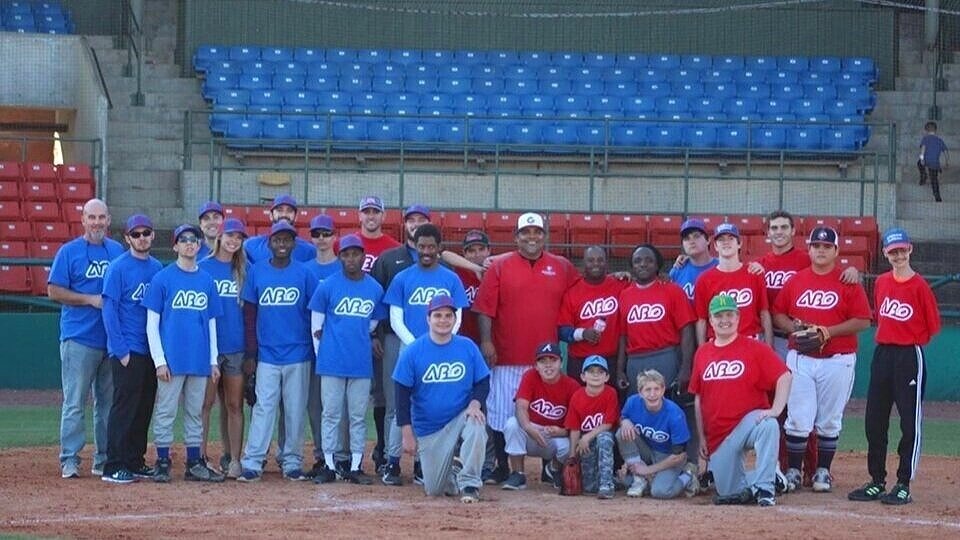
The formats differ most visibly in batting, baserunning, and the role of any assistance.
| Format | What the game can involve | Main distinction |
|---|---|---|
| Traditional baseball with accommodations | Conventional team play with individualized adjustments | Familiar baseball format |
| Miracle League | Accessible playing surfaces and volunteer buddies | A participation model developed around accessible baseball |
| Little League Challenger Division | Flexible games with batting, fielding, and buddy assistance when needed | An established adaptive division within Little League |
| Beep baseball | Audible ball, sounding bases, and specialized offensive and defensive roles | A distinct form of baseball for blind and low-vision players |
Little League explicitly encourages players who can play in conventional Little League with reasonable accommodations to do so. Its Challenger program guidance provides a separate route for players with physical or intellectual challenges. In Challenger games, players get the chance to bat and field each inning.
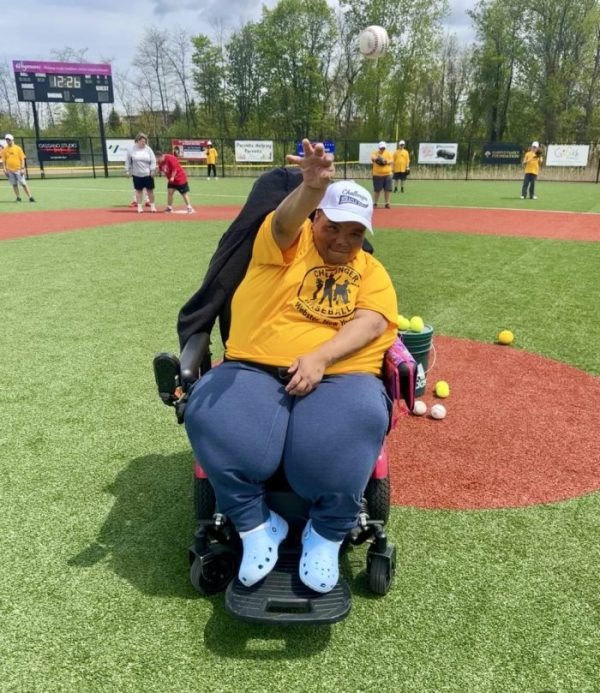
Miracle League's national model centers on fields with rubberized surfaces designed to accommodate wheelchairs and other mobility devices. Volunteer buddies can help players around the bases or during batting and fielding.
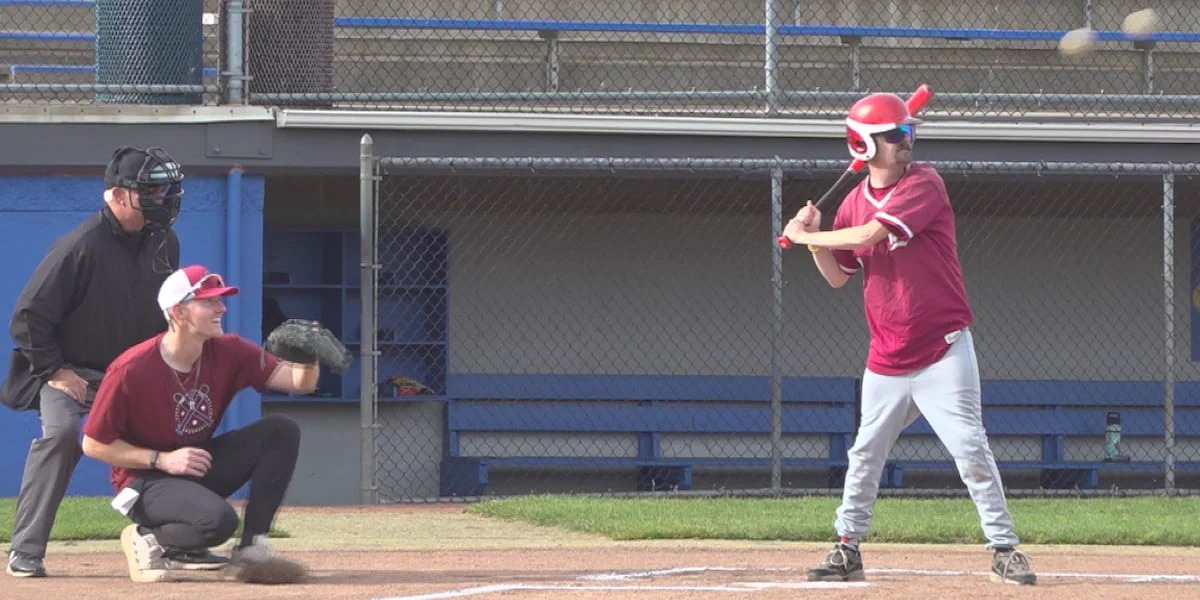
Beep baseball changes the mechanics considerably. Under the National Beep Baseball Association's 2026 competition rules, the ball emits a beep while first and third bases produce their own audible signals. After contact, the runner heads toward an activated base while defenders try to field the ball legally. Pitchers, catchers, and spotters have defined roles. These are the NBBA's organized competition rules; casual play for blind or low-vision players can differ.
Which program fits the player?
The same organization can offer recreational and competitive divisions. Compare the actual turns at bat, scoring, pace, and available help, not just the name on the league's website.
| If the player wants | Look for |
|---|---|
| Casual play | A relaxed, flexible game. Recreational divisions put less emphasis on competitive results. |
| Competition | Recorded scores and structured games. Some programs offer competitive divisions. |
| Independence | Buddy roles that can be adjusted to how much help the player prefers during batting or fielding. |
| A particular playing style | Conventional batting, a tee, or sound-guided play. The game differs between programs. |
| Practical access | A reachable field and a manageable schedule. |
A teenager who likes keeping score will want a competitive division. A player who just wants a turn at bat every inning is better off in a recreational one.
Waiting for a turn is hard for some players. If yours loves to swing but struggles with downtime, ask the coach how turns are organized.
Why local league rules and schedules matter
A national program name only gets you started. Chapters set their own game length, scoring, age groups, and season format. Miracle League of Arizona shows how far that can go: it runs a recreational division and a competitive one, each with its own rules.
| Program or division | Published playing format | Scope |
|---|---|---|
| Little League Challenger | Typically one or two innings, approximately one hour | Little League program guidance |
| Miracle League of Arizona, recreational | Around 45 minutes; every player bats and circles the bases | Arizona recreational division |
| Miracle League of Arizona, competitive | Four innings when time permits; approximately one hour, with scores and outs recorded | Arizona competitive division |
A player expecting a game with no ordinary scoring will find the competitive division different: scores and outs are recorded.
Austin's Miracle League describes a season with seven games and no weekday practices.
Little League has its own formal age structure. Standard Challenger generally serves players ages 4 to 18.
Players ages 19 to 22 who are still enrolled in school may remain in standard Challenger if their local league does not offer a Senior Challenger Division. Little League also says a league seeking to retain a player over 18 in standard Challenger must request a waiver from its Charter Committee. Senior Challenger begins at age 15 and has no upper age limit under Little League's published rules.
Miracle League affiliates set their own age rules, so Little League's ranges don't apply to a Miracle League chapter.
Little League says its local Challenger programs set their own registration fees, and inability to pay must not by itself prevent participation. Miracle League chapters can differ. For a plain-terms explanation of all three formats, see the three formats in plain terms.
The Arizona and Austin details apply to those chapters only.
What accessibility and buddy support can look like
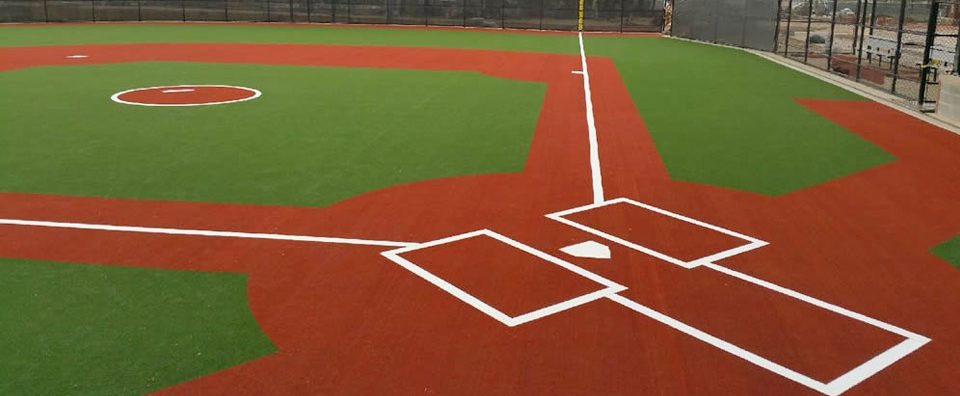
Accessibility covers both the physical environment and the help a player gets during the game.
Miracle League's rubberized field model is designed with mobility devices in mind. Little League Challenger games may take place on traditional or synthetic playing fields, so check the facility.
Volunteer buddies may assist with batting, fielding, running bases, and safety, but the level of involvement follows the player and situation. Little League encourages independence wherever possible. For examples from play, see what a baseball buddy does.
For example, a player may field a softly hit ground ball while a buddy stays close enough to step in if a harder-hit ball creates a safety concern.
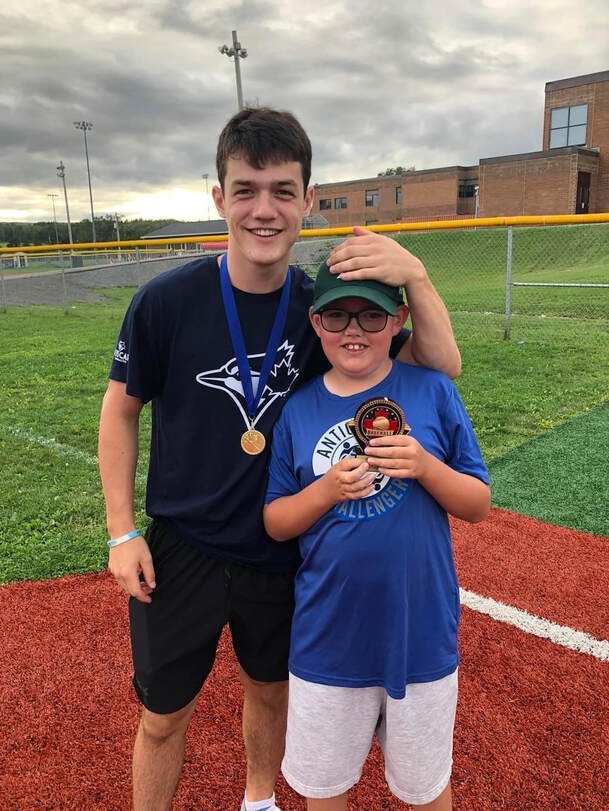
Ask the program's coordinator about these:
- Getting in. The entrance, paths to the field, surface, and access to the dugout or playing area.
- Restrooms and seating. Where they are, whether the player can use them, and what spaces are used before and after games.
- Buddies. What assistance is available, how volunteers are prepared, and how the player's preferences are handled.
- Communication and safety. How the player prefers to receive instructions and when help would be welcome.
How to find adaptive baseball near you
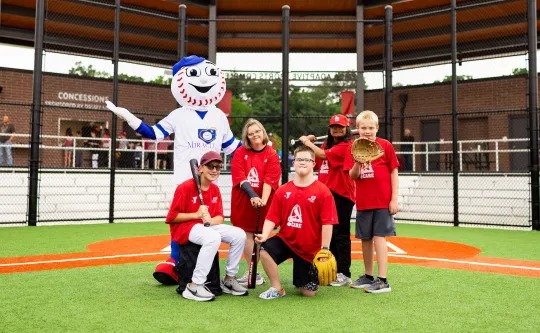
Each national organization offers a different route to its local programs.
- Miracle League. Its national Find a Miracle League page directs visitors to contact the national organization for information about nearby affiliates.
- Little League Challenger. Use Little League's league finder to search for a local Little League organization. Select “Challenger Division” to find the relevant program type. Its Challenger guidance also gives a program-specific contact route.
- Beep baseball. The National Beep Baseball Association's Beep Baseball 101 page links to affiliated teams, along with introductory playing information and resources for starting a team. Use the team list to find someone to contact.
When you contact the organizer, say which program you mean and the player's age group, then ask whether a suitable division is active, when registration happens, and who handles enrollment.
What to ask before the first game
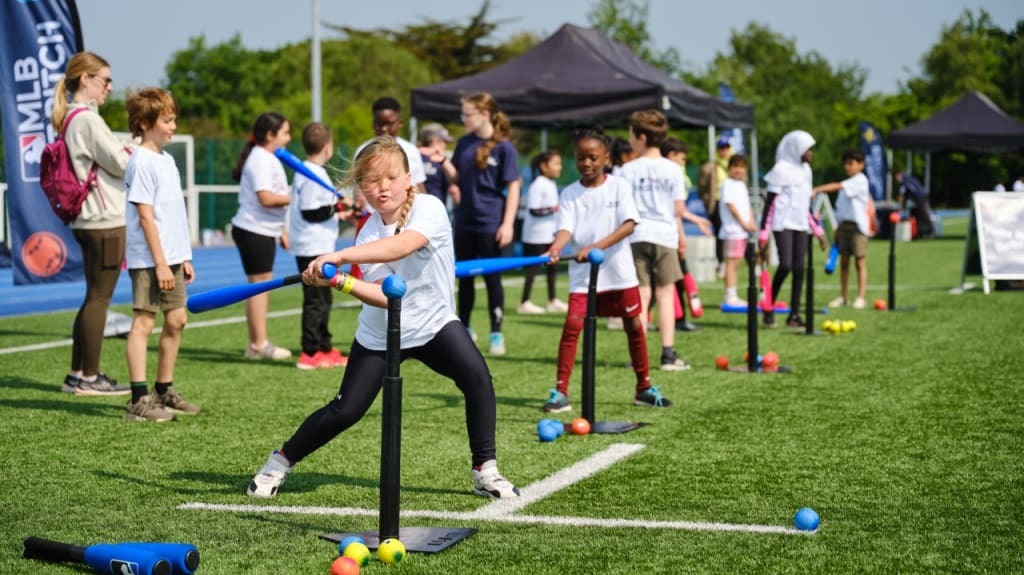
A first game is easier to plan when you know how batting works, what equipment is provided, and what happens on arrival.
A player may be confident at a tee yet hesitant with pitched balls. Little League's buddy guidance discusses using a tee when it helps a participant bat. The local coach can explain that option for a given game; the list of eight things to ask your local coach before you go covers other practical details.
Some leagues make starting with limited baseball experience easy. Miracle League of Arizona's recreational program states that previous experience is unnecessary, and its registration information says equipment is provided. Austin's chapter likewise describes participation without special equipment.
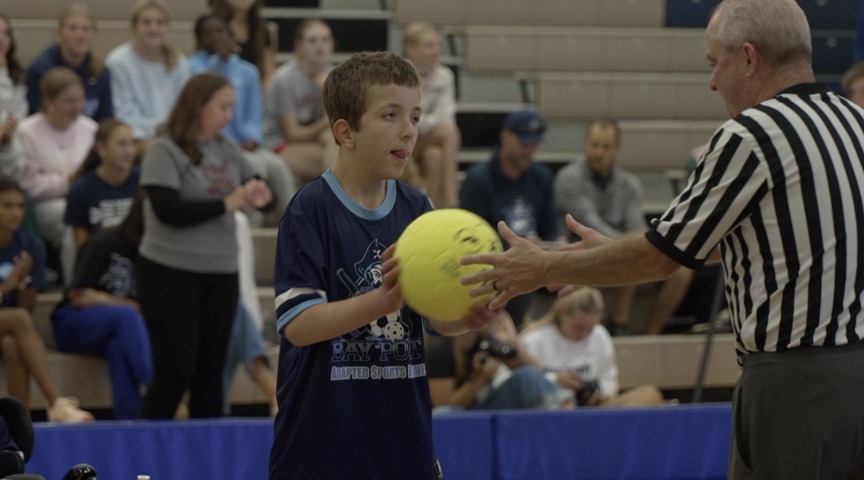
A brief exchange before the first session should resolve these points:
- Batting. Whether the game uses pitched balls, a batting tee, or both.
- Equipment. What the program supplies, what the player should bring, and whether any personal equipment is necessary.
- Arrival. Where participants meet, how the session begins, and what happens before the first turn at bat.
- Observation and visitors. Whether the player can watch first or have a parent or other support person present.
Tell the coordinator what the player is looking forward to and which situations they'd like explained beforehand.
If there isn't a suitable league nearby
Sometimes the available program is too far away, runs at an impractical time, or offers a format the player doesn't enjoy. Beep baseball teams in particular may need to coordinate players, sighted volunteers, specialized equipment, and travel. The National Beep Baseball Association's team-building guidance covers finding interested players, securing committed volunteers, raising funds, and organizing transportation. Travel to another city can be part of playing or competing with an organized beep baseball team.

When the nearest adaptive program is impractical, alternatives include a community league willing to discuss accommodations, a program in a neighboring area, or a governing organization with team-building resources. For local contacts, see how to find a Miracle League near you.
An organizer may know of another reachable team or have resources for starting one. That is a more useful next inquiry than repeatedly searching the same listing.