 Weather: 614-526-6500

For adaptive baseball equipment, test the action before buying the product. Team gear may already cover batting or fielding, while a particular player may need better fit or a professionally fitted adaptation. Any personal or modified item must still be safe and approved for the league's play.
Check What Your League Already Supplies
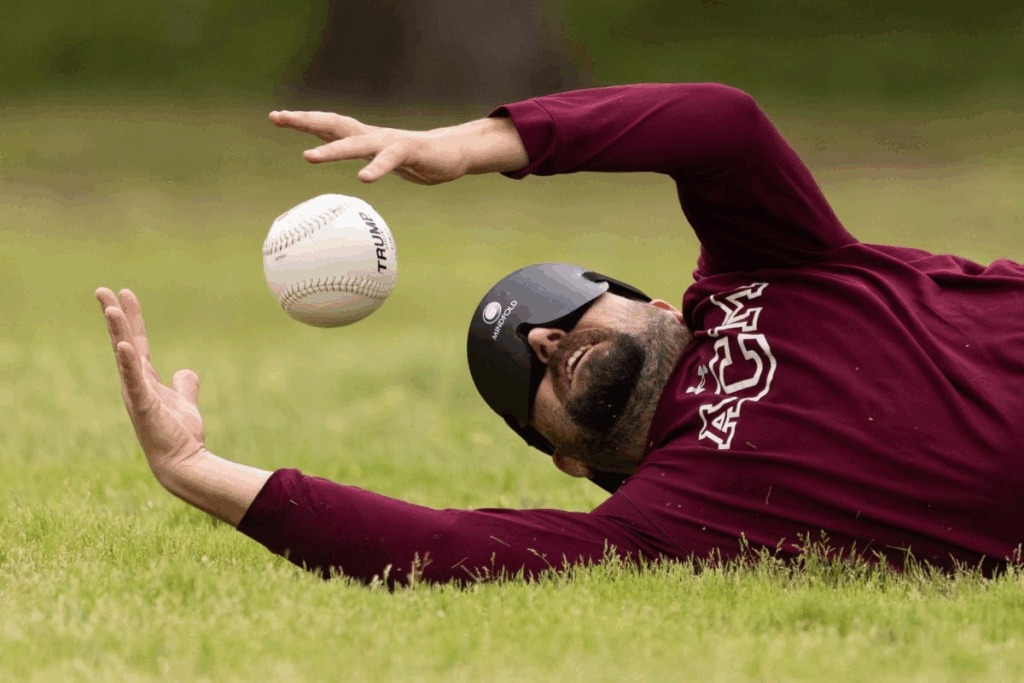
An adaptive baseball team's equipment may include bats, balls, and essentials that a newcomer expects to buy. Miracle League inventory varies by chapter.
That makes an online cart full of gloves, tees, helmets, and specialty bats a poor starting point. A product labeled for adaptive sports can still duplicate equipment available at the field.
| Program | Equipment supplied | Personal glove | Batting helmet |
|---|---|---|---|
| Miracle League of the Triangle, North Carolina | Bats and balls; jersey and hat for players | Optional | Optional under its local policy |
| Miracle League of the 805, California | Bats and batting helmets | Optional | Supplied |
| Miracle League Northwest Montana | Bats, soft fabric balls, and a batting tee; gloves available | Players encouraged to bring a mitt that fits | Required under its local policy |
| Miracle League of Keller, Texas | Game-day playing equipment | Players must bring their own glove if needed | Confirm specific requirements |
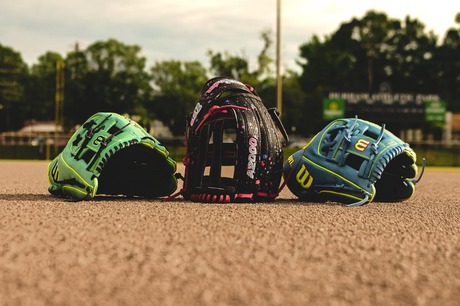
Each chapter sets its own policy. The Miracle League of the Triangle FAQ, for example, says players do not have to bring a personal glove or batting helmet.
Little League Challenger Division also has its own equipment and competition rules. If you're still deciding between Miracle League, Challenger Division, and other participation options, the adaptive baseball program overview gives the wider context.
Sort prospective purchases by what they would actually add to the player's game:
- Provided: The team has confirmed it supplies the item for the player's games or practices.
- Optional personal equipment: The player can bring a preferred glove, bat, or other approved item, but participation does not depend on owning it.
- Required personal equipment: The organization specifically expects the player to bring an item.
- Unknown: Nobody has said who supplies it or whether it is allowed.
Sort the bat, ball, glove, tee, batting helmet, footwear, and any assistive device you're considering, using the team's written equipment information. Leave unknown items off the purchase list until the team answers.
Match the Equipment to the Actual Baseball Task
The movement the player is trying to complete is a better starting point than the name of a product.
Someone who cannot comfortably get a hand into a fielding glove has a different problem from someone who can catch a ball but struggles to release it for a throw. A player may also bat comfortably and still need an adaptation for fielding.
| Baseball task | Where it goes wrong | What to look at |
|---|---|---|
| Getting into a glove | Hand or fingers do not enter comfortably | Opening, finger stalls, interior shape |
| Opening and closing a glove | Glove takes too much effort or causes discomfort | Flexibility, weight, closure effort |
| Catching or holding a ball | Ball is difficult to secure | Pocket control and ability to close the glove |
| Moving from catch to throw | Player cannot readily release or transfer the ball | Ball-release method and hand positioning |
| Holding or swinging a bat | Comfortable grip or control is difficult | Bat fit and any permitted gripping interface |
| Hitting a ball | Conventional pitching setup does not support the action | League-approved tee, ball, or batting format |
A change that helps one task can leave another unchanged. A larger glove gives a bigger catching surface but can take more effort to close. A better bat grip says nothing about handling a fielding glove.
Ask the player what they want. Some athletes want the same equipment as their teammates; others prefer a different setup or help with one specific movement.
During a supervised team session or pregame warm-up, watch one action. Note whether the difficulty comes during entry, grip, closure, contact, retention, or release, and describe any discomfort. That gives a coach or equipment specialist a concrete problem to fix. A diagnosis doesn't show where the glove fails. Watching the player does.
Test a Fielding Glove for Hand Entry, Closure, and Transfer
Test the glove by having the player open it, take a ball, and let it go.
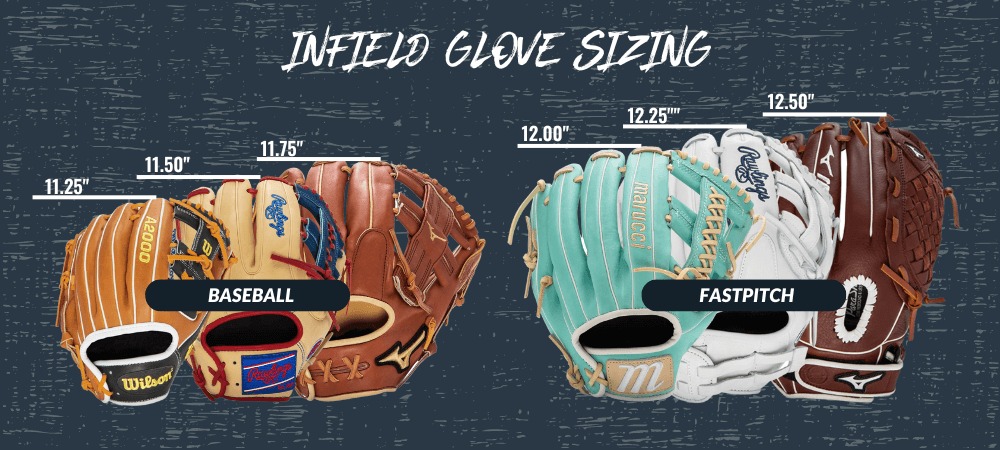
A RESNA engineering report presented in June 2003 described a nine-year-old player trying different glove sizes. The existing 10-inch glove could be closed but was too small for the intended play. An 11-inch glove offered a larger catching area, yet the child could not close it effectively.
The engineering team modified a Wilson EZ-Catch glove with a V-flex notch, an extended Velcro strap, and additional thumb support to suit the player.
A five-step glove try-on
Use a ball suited to the player's program, with a coach or guardian supervising.
- Hand entry. Have the player put the glove on the usual way. Check whether the opening and finger stalls fit the hand comfortably.
- Finger alignment and comfort. Check whether seams, pressure points, weight, or awkward positioning get in the way of the player's preferred movement.
- Opening and closing. Ask the player to open and close the glove several times with comfortable, voluntary movement. Watch how much effort it takes.
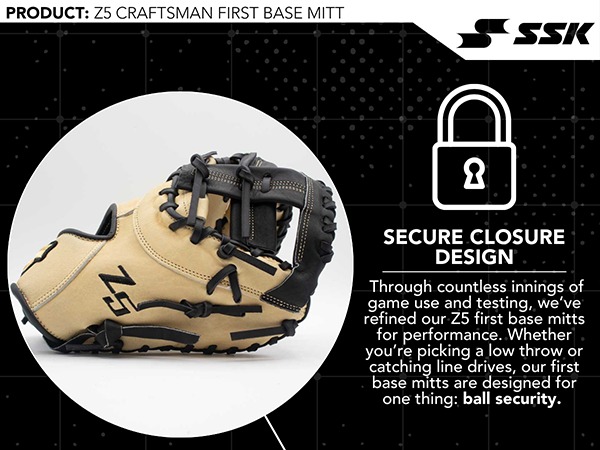
- Receiving and retaining the ball. Try a gentle catch or controlled ball placement. See whether the player can secure the ball without discomfort.
- Releasing or transferring. Follow the catch through to releasing the ball or moving it into a throwing position. A glove can receive a ball well and still make it hard to get the ball out quickly, so watch this step closely.
Score each step with one of three results:
- Works comfortably: The player can perform the action.
- Needs adjustment: The player wants to continue, but the fit or movement needs work.
- Stop: The item causes discomfort, requires forced movement, or cannot be used safely.
Never force a stiff glove closed around someone's hand. If the glove repeatedly fails a required movement, try a different fit or a professionally fitted adaptation. For fielding gloves, throwing hands, and defensive positions, see whether the glove fits your hand and closes easily.
A familiar glove the player controls well can be a better choice than a larger or more expensive one with impressive specifications.
Check Bat, Ball, Tee, and Batting-Aid Rules Before Modifying Anything
A batting aid can make mechanical sense and still be banned in your game. Your league and division decide which equipment is permitted.
Adaptive baseball programs deliver the ball and support the swing in different ways: batting tees, pitched balls, soft fabric or foam balls, and plastic bats. The Miracle League Northwest Montana equipment information includes a tee and soft fabric balls, while Miracle League Las Vegas describes formats involving foam balls and foam or plastic bats.
What the Little League Challenger rules say
The Little League bat rules, updated July 7, 2026, distinguish standard Challenger Division from Senior Challenger Division.
| Equipment or situation | Published Challenger rule | What to do |
|---|---|---|
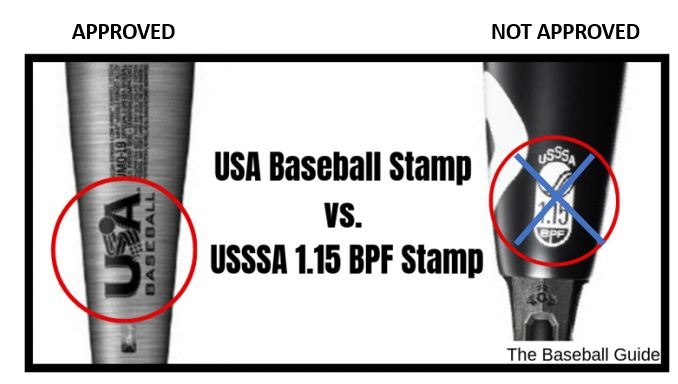
| Standard Challenger bat | Up to 33 inches long and 2⅝ inches in diameter; applicable nonwood and laminated bats require the USABat identification mark | Check length, diameter, and the USABat mark |
| Senior Challenger bat | Up to 36 inches long and 2⅝ inches in diameter; qualifying non-solid-wood bats may use the specified BBCOR or USABat standard and marking | Read the Senior Challenger rule on its own |
| Approved Tee Ball bat | A bat 26 inches or shorter, bearing the required USA Baseball mark and the accompanying text "ONLY FOR USE WITH APPROVED TEE BALLS", and used with approved Tee Balls | Use the bat only with approved Tee Balls |
| Whiffle-style bat | Permitted in Challenger Divisions under the published rule | Allowed |
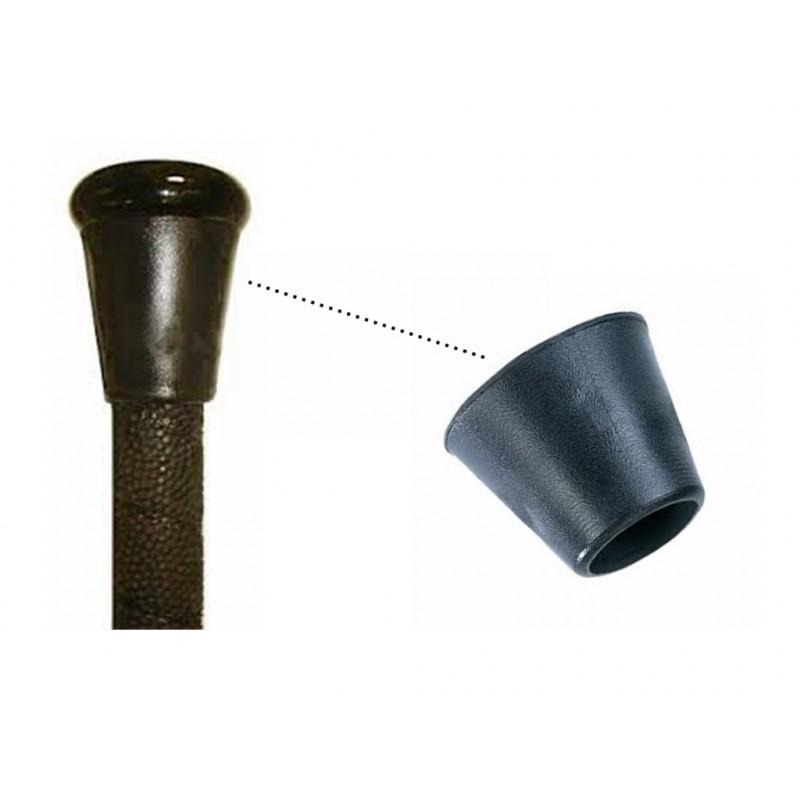
| Choke-knob, choke-up assist, or thumb protector altering the bat | Listed among prohibited bat alterations | Do not use an altered bat in a Challenger game |
| Prosthetic batting interface | Device availability does not establish permission under the game rules | Get a specific ruling for the device and its connection |
A prosthetic interface needs its own approval, even on an unaltered bat. Name the league and division, describe how the device connects, and check it against that division's bat rule. Practice approval doesn't carry over to games.
A specialized grip can make practice swings more comfortable, but a choke-up assist can't be used in a Challenger game.
A league-approved tee or ball format gives another way to take part.
Beep baseball is a separate case. The National Beep Baseball Association uses audible balls and bases and publishes distinct rules for nontraditional equipment. For audible equipment and its playing rules, see beep baseball equipment and gameplay.
Check Batting Helmets, Face Protection, and Field Footwear
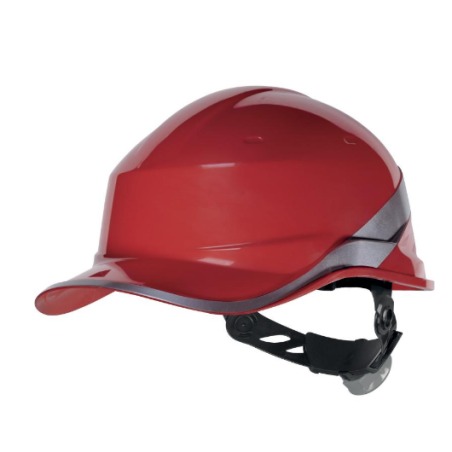
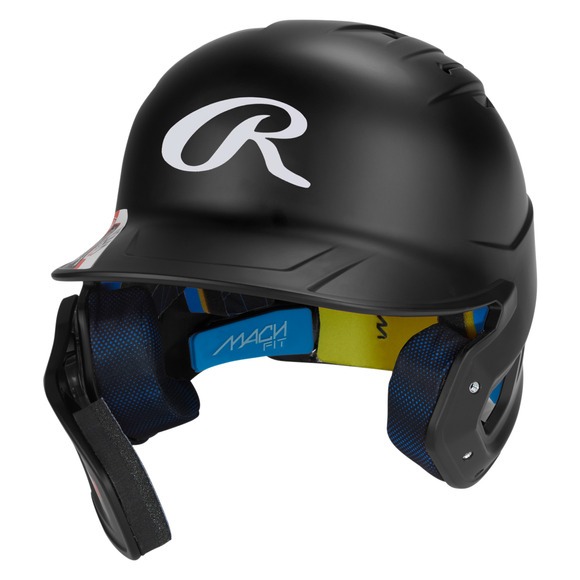
A batting helmet should fit correctly, stay in position during normal activity, and be worn and maintained according to the manufacturer's instructions.
The National Operating Committee on Standards for Athletic Equipment (NOCSAE) lists standard ND022 for newly manufactured baseball and softball batter helmets. Its published standards also address mounted face protection.
Any face guard or other helmet attachment must be compatible with the helmet and its certification. For Little League play, the helmet manufacturer must provide notice that the attachment has not voided NOCSAE certification, and that notice must be presented to the umpire before the game. Without it, the attachment cannot be used under that policy.
Questions about USABat, BBCOR, and Little League divisions are covered in what USABat, BBCOR and USSSA bat marks mean.
The CDC HEADS UP helmet guidance, updated July 28, 2025, stresses proper fit, certification, maintenance, and correct wear. No helmet is concussion-proof.
When protective equipment needs attention
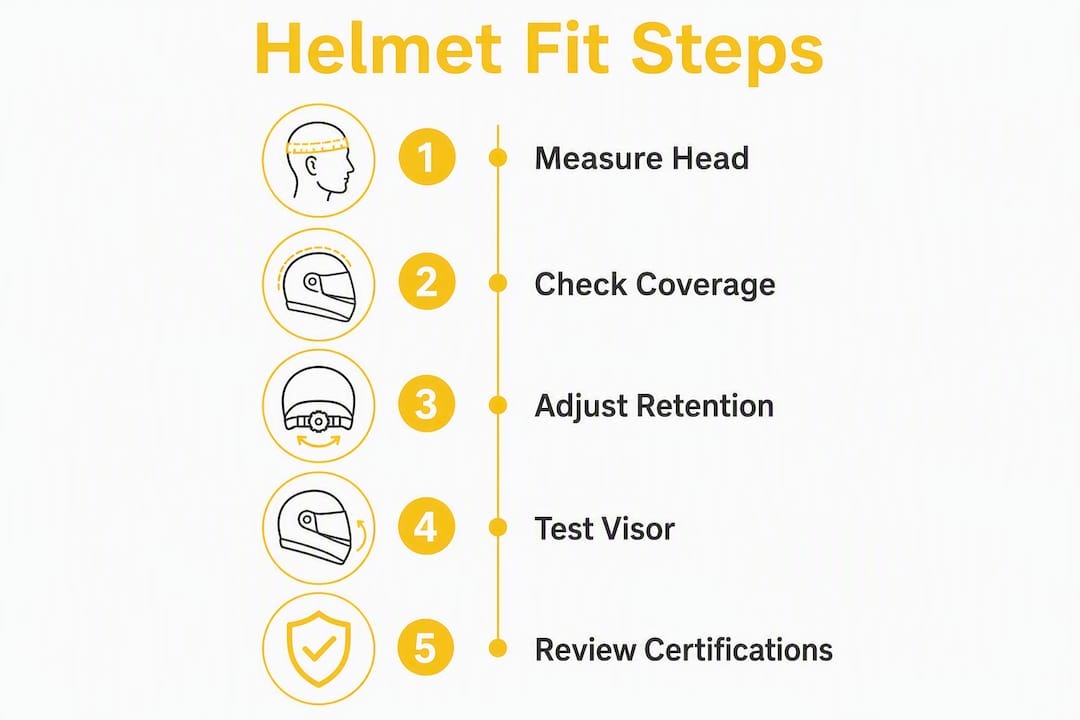
Before use, inspect the helmet and any approved face protection. Look for damage or wear, check that it fits and stays in place, and confirm the accessory is compatible with the helmet model. For Little League play, also locate the NOCSAE symbol on the helmet.
Don't use an ill-fitting or damaged helmet until you have suitable equipment or a specialist has checked it. Do not drill, cut, replace padding, or improvise attachments on a protective helmet to fit another device.
Miracle League of the Triangle prohibits baseball cleats on its rubberized field. Miracle League of Keller allows sneakers, tennis shoes, and molded cleats but prohibits metal spikes. Miracle League of the 805 recommends sneakers or tennis shoes.
A pair of molded cleats acceptable at Keller would be turned away on the Triangle rubberized field.
When Custom Gloves or Prosthetic Batting Devices Are Worth Exploring
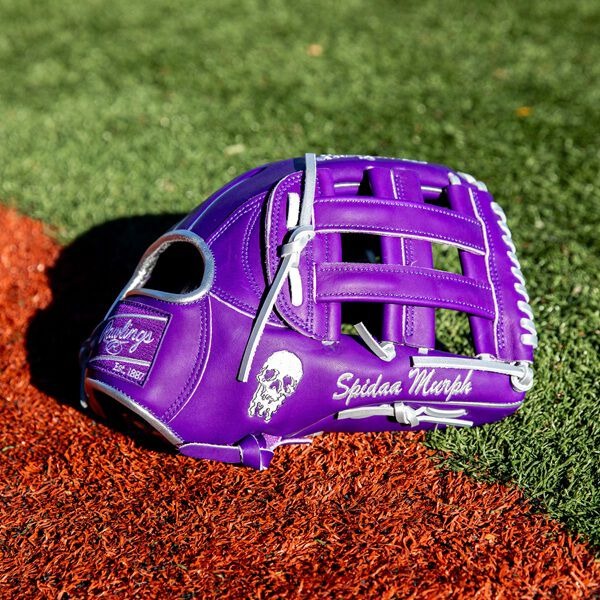
Look at custom equipment only after a properly fitted standard item fails to do the job.
Custom gloves, prosthetic batting interfaces, and switch-controlled devices cover separate movements and need different fittings.
Custom fielding gloves
TOM Global has documented modified baseball glove designs, including a project involving a different glove arrangement for a player with a limb difference.
Another TOM Global prototype uses magnets to connect a wristband and glove, so the player can withdraw the hand from the glove and reach the ball for a throw. Check any such arrangement independently for attachment, loose-part, and use-related hazards before using it in play.
In a 2022 patient story, Shriners Children's described collaborating with Wilson on a custom baseball glove for one player.
Prosthetic batting interfaces
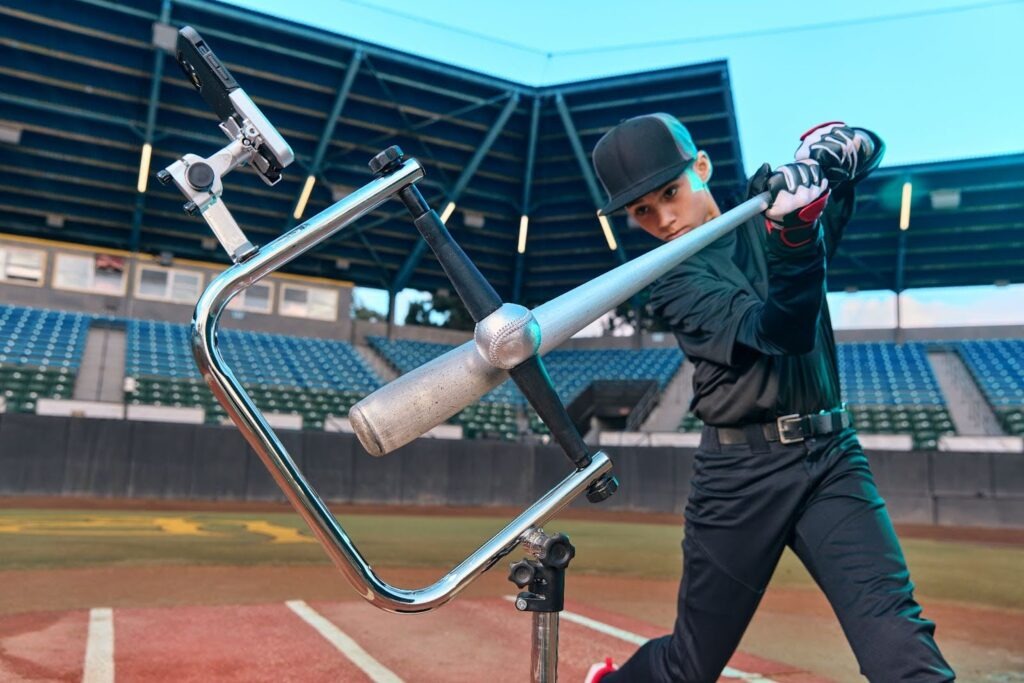
Fillauer describes the Grand Slam prosthetic batting interface with a wrist connection and a 1-inch bat-handle compatibility requirement. The manufacturer specifies that the user’s other hand must over-grip the bat for this device.
The company also describes Pinch Hitter batting adapters in multiple versions.
These products are not ordinary batting grips. Whether one works depends on the prosthetic arrangement, the fit, and whether the league permits it.
Switch-controlled batting
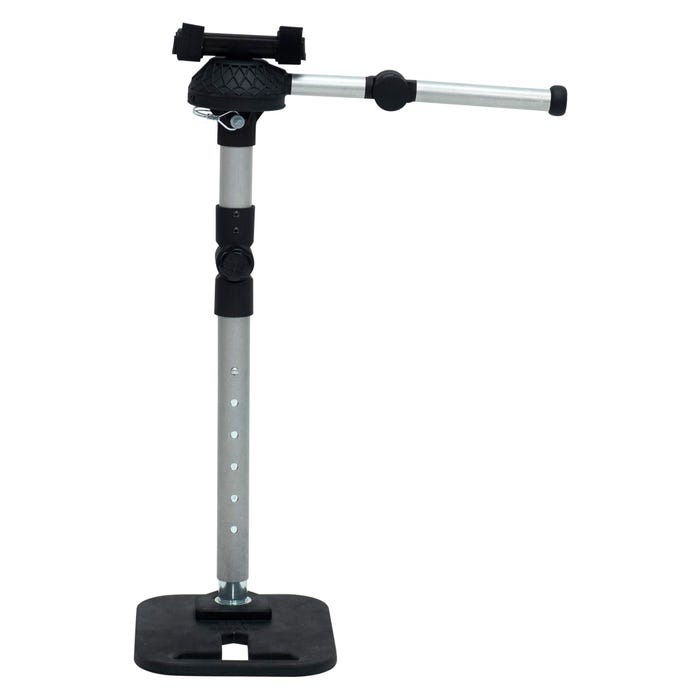
AbilityTech describes a Switch Hitter device operated using a switch. It can suit an athlete looking for a different way to take part in batting, once the setup is checked for safe use.
For a custom glove or batting device, get model-specific documentation from a custom maker, equipment fitter, or prosthetist. Ask about fit, connection method, weight, cleaning, replacement parts, service support, and return or remake terms.
Borrow, Test, or Buy?
- Borrow: If a league loaner supports the player's intended action comfortably, it is the simplest way to take part without an immediate purchase.
- Buy: If a standard personal item has passed the fit, safety, and rule checks, buying one makes sense when familiarity or consistent access matters. Compare cost, likely changes in fit, upkeep, and return conditions first.
- Adapt: If neither works, move to an adaptation fitted to the player. Confirm the specialist and league requirements before spending on a custom device.
For ordinary team-supply questions about gloves, youth bats, and helmets, see before buying, find out what your league provides.
Questions to Send the Team Before You Pay
A coordinator can tell you what is available to borrow, which personal items are accepted, and how a particular aid would be handled in practice and official games. For first-game guidance for players and caregivers, see what to bring, wear, and check about the field.
Describe the baseball action, not a diagnosis. You don't need to disclose one to ask whether an item can be used.
A concise note could read:
Hi, we're preparing to join your baseball program. The player is comfortable hitting but needs to try a glove that is easier to close.
Do you have gloves, bats, batting tees, balls, or helmets available to try or borrow? Are personal or adapted gloves allowed?
If we consider a batting attachment or another adaptive device, is it permitted for practice and games, and who makes that decision?
Could you also confirm the helmet and footwear rules for your field, any equipment costs, and whether we can arrange a supervised equipment tryout before purchasing anything?
Thank you for helping us prepare.
The sample message uses a glove issue, but the same conversation can begin with grip, batting, ball release, or another specific action. Describe any proposed attachment or device precisely when asking about game approval.