 Weather: 614-526-6500

Miracle League and Little League Challenger both offer adapted team baseball, while beep baseball is a distinct, sound-guided competitive game. Conventional baseball with accommodations remains another route. Which one fits comes down to the game the player wants, the available assistance, and local eligibility—not a universal ranking of programs.
The three formats in plain terms
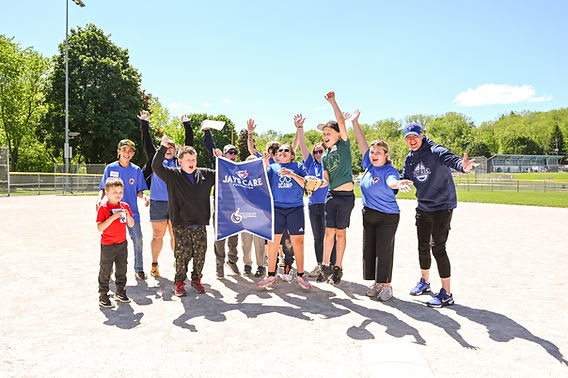
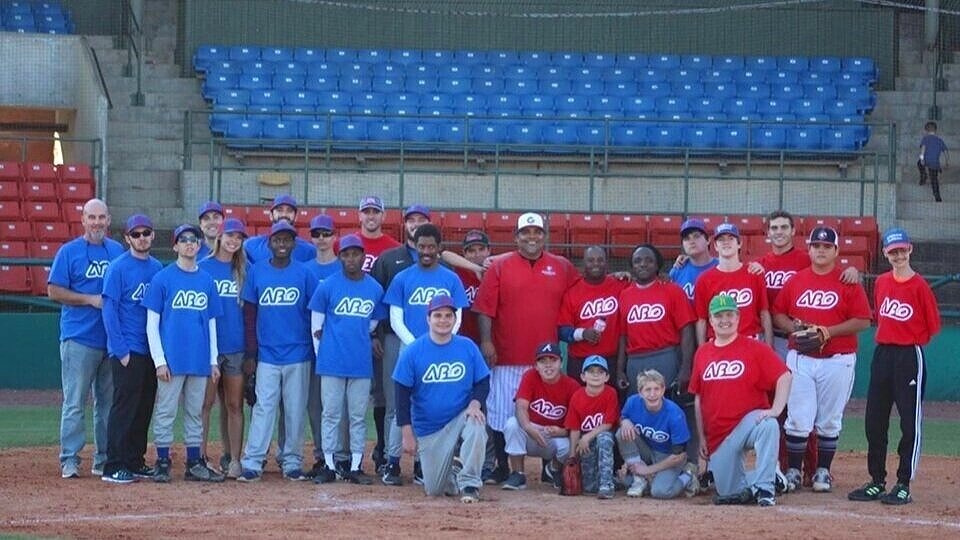
The Miracle League is known for accessible fields, adapted games, and volunteer buddies. Challenger and Senior Challenger operate within Little League, whereas the National Beep Baseball Association (NBBA) publishes rules for a separate sound-guided sport. One facility or operator can host more than one format.
What changes in a game?
Look beyond the program names to what happens on the field: how batters take their turns, what assistance is available, and whether competition is central or optional.
| What to compare | Miracle League | Challenger and Senior Challenger | NBBA-style beep baseball |
|---|---|---|---|
| Playing format | Adapted baseball; some affiliates also run competitive divisions | Adaptive Little League baseball | Sound-guided competitive baseball |
| Participants | Children and adults with disabilities, under affiliate policies | Players with physical or intellectual challenges | Primarily blind and low-vision players, under competition rules |
| Age requirements | Set by the affiliate | Published Challenger and Senior Challenger divisions | NBBA competition requirements; introductory programs set their own ages |
| Game length | Set by the affiliate | Typically 1 to 2 innings, about one hour | Six innings under the 2026 NBBA regulation rules |
| Scoring and pace | Varies by affiliate; some use structured competitive formats | Flexible format in which everyone bats and plays defense each inning | Competitive scoring and defensive play governed by NBBA rules |
| Field | Miracle League's accessible rubberized-field model | Traditional, synthetic or other suitable fields | Specialized layout with audible bases |
| Assistance | Volunteer buddy system | Buddies assist with batting, bases or defense as needed | Designated pitchers, catchers and field spotters |
| Equipment | Set by the affiliate and player | Set with the league | Audible ball, buzzing bases and blindfolds in NBBA competition |
| First point of contact | Local Miracle League affiliate | Little League offering the relevant Challenger division | NBBA team or local organizer |
Miracle League of Las Vegas, for example, publishes rules for competitive divisions.
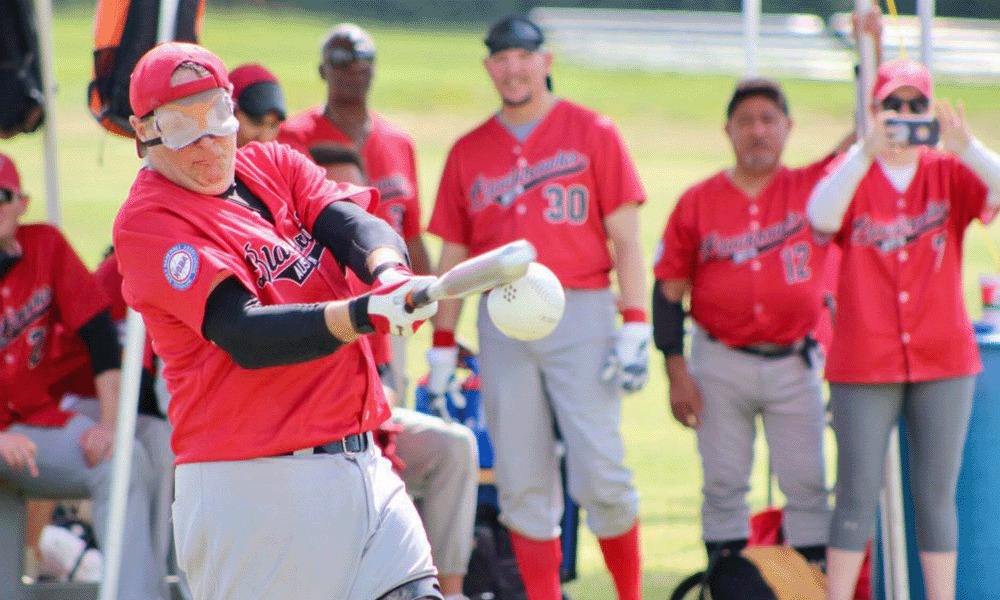
In NBBA competition, a batter who hits a fair ball runs toward whichever of first or third base is buzzing. The runner scores by reaching that base before the defense legally fields the ball.
When the field, team and organization have different names
A baseball program involves an organization that runs it, a format it offers and a field where games happen. The three names can overlap without meaning the same thing. In Webster, New York, Rochester Challenger Miracle Field lists Challenger baseball as one of its programs, so a Challenger team can play on a field that carries the Miracle Field name.
Miracle League of Westchester also described a beep baseball offering for 2026. An organization tied to Miracle League can offer a second baseball format.
A listing can show the facility's name even when the activity follows different game rules. Identify the operator, the program and the field separately to avoid that mix-up.
Age limits and eligibility
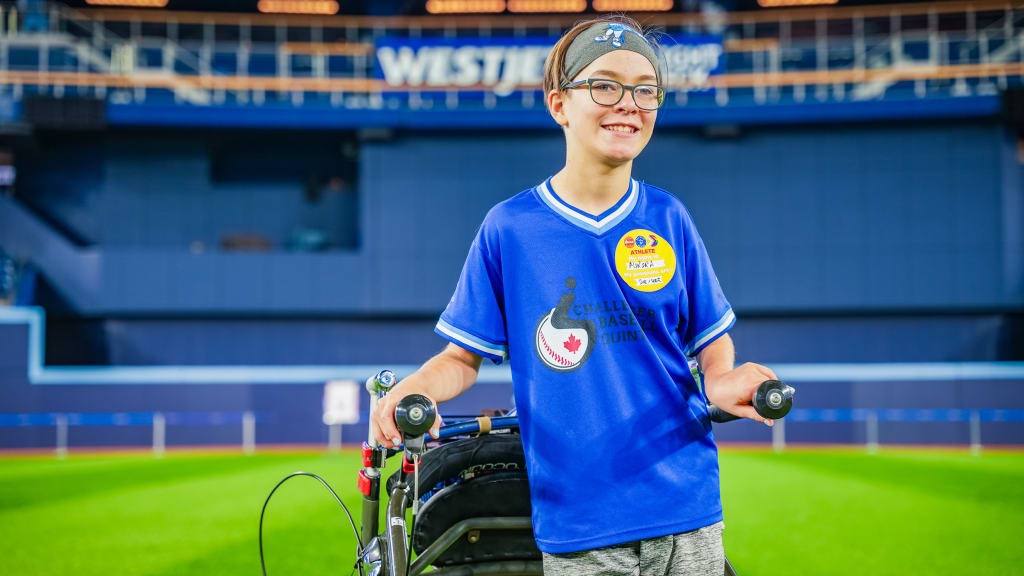
Little League publishes age rules for its two adaptive divisions.
- Challenger Division: Ages 4 to 18, with participation possible through age 22 for players who remain enrolled in school.
- Senior Challenger Division: Ages 15 and older, with no upper age limit in the national description.
- Miracle League and beep baseball: Each Miracle League affiliate sets its own age rules. Beep baseball ages depend on the competition or the team.
The age ranges of the two Challenger divisions overlap from age 15.
Little League describes Challenger as serving individuals with physical or intellectual challenges. The national age framework appears in its official Challenger Division FAQ. Local leagues run the divisions and seasons.

Beep baseball has its own participation rules. NBBA competition covers vision-related requirements, blindfolds and limited provisions for sighted players. Introductory local programs can have different arrangements.
Fields, buddies, sensory cues and practical support
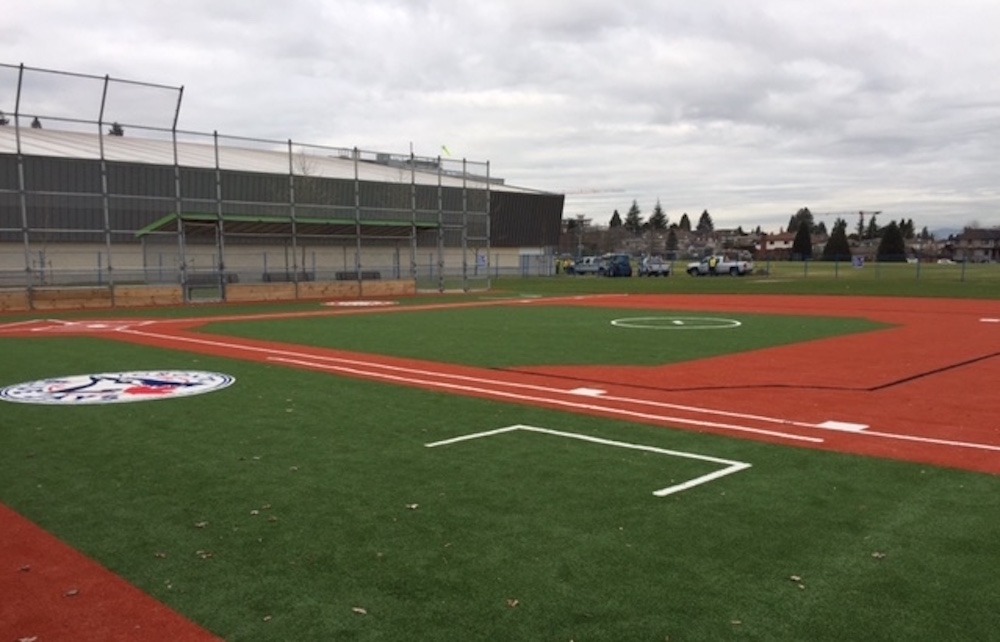
Adaptive covers several different arrangements. The surface under a player's feet or mobility device, the way the game communicates information and the help offered during a play all shape the experience.
The Miracle League's national field model uses a custom rubberized surface designed with mobility access in mind. Its buddy program is a recognizable part of the game. Entrances, routes to the field and facilities differ by venue. For more on Miracle League, volunteer buddies and accessible fields, see how a Miracle League game works.
Challenger can run on a traditional or synthetic baseball or softball field. Little League's buddy guidance describes help with batting, running and defense according to the player's needs, with independent play whenever appropriate.
In NBBA-style beep baseball, sound is part of the rules. The ball and bases give audible cues, and pitchers, catchers and spotters have defined responsibilities. A defensive spotter is a different kind of support from a buddy who helps one player around the bases. For audible baseballs, buzzing bases and blindfolded runners, see how one play of beep baseball works.
If a player prefers to do things independently, how help is offered can matter as much as whether it is offered. A player who uses a mobility device has different field-access concerns from a player who needs clear verbal game cues.
Staffing differs too. NBBA's team-starting guidance covers the need for players, dedicated volunteers, equipment and funding, plus travel for some competitions.
Which format fits different playing goals?
| Player's situation | Formats to look at | What decides it |
|---|---|---|
| A six-year-old wants to bat, take turns and get help at the bases | Miracle League or Challenger program | Game flexibility, buddy support and field access |
| A blind teenager wants structured competition with audible equipment | Beep baseball | A suitable team, participation requirements and competition level |
| An adult wants adapted baseball and needs transport and access | Senior Challenger, adult-inclusive Miracle League or a suitable beep baseball team | Adult participation options and reachable facilities |
When regular Little League deserves consideration
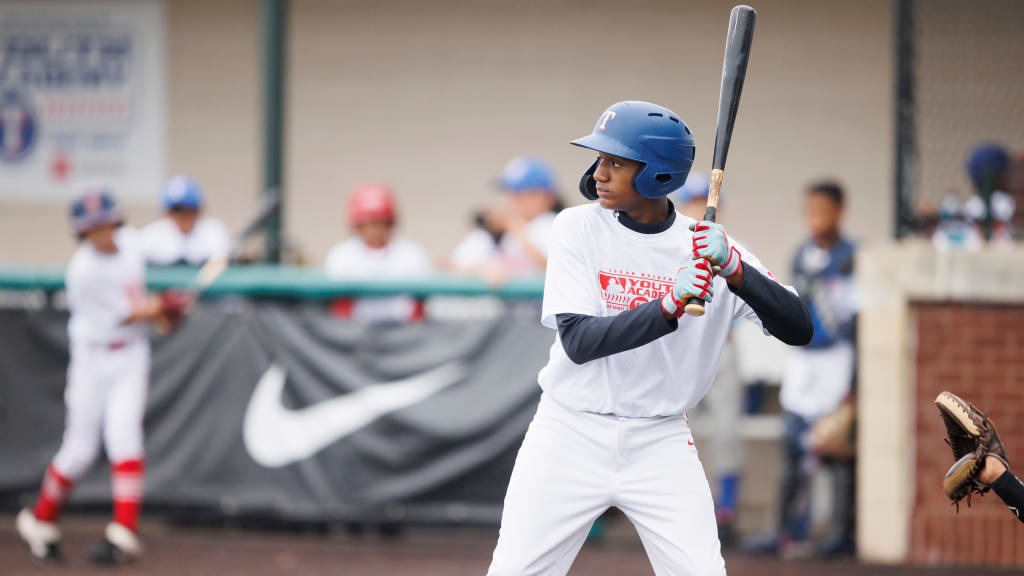
A disability or no previous baseball experience does not automatically place a player in an adaptive division. Little League's Challenger FAQ encourages conventional Little League Baseball or Softball, with reasonable accommodations, when a player can take part that way. For Challenger Division, Senior Challenger and age eligibility, read Challenger vs. Senior Challenger: what ages can play.
Take a nine-year-old trying organized baseball for the first time. Beginner-level instruction, a suitable practice environment or a coach who adjusts how they communicate can be what the child needs.
For a conventional team, the question is whether the league can support the player's preferred participation with suitable accommodations and divisions. The organization responsible for the team and its published rules answers that.
When the first choice is unavailable or doesn't feel right
The nearest program might not offer a suitable division. Travel can be difficult, or the game can feel too slow, too structured or uninteresting to the player.
One parent described a difficult start in Miracle League softball that turned into enthusiasm about attending. Another parent, describing activities similar to Miracle League, reported the opposite: the child lost interest.
The next step depends on what failed. A player who enjoys batting but struggles with long pauses has a different problem from a family that cannot reach the field. A different format, support arrangement or nearby activity can address the obstacle.
Confirm the local program before registering
Once one or two formats look promising, find the real organizer and ask what it offers. The guide ask whether the league will work for the player covers Miracle League, Challenger Division and local registration in practice.
For Challenger or Senior Challenger, start with the Little League League Finder. A nearby Little League association can appear in a search without running the adaptive division.
For Miracle League, the national Find a Miracle League page leads to nearby affiliates, including contact with the national organization.
The National Beep Baseball Association provides team contacts and organizational guidance. Its team-starting materials describe what running a team involves, not the current availability of roster places.
A short conversation with the coordinator should settle the remaining practical questions:
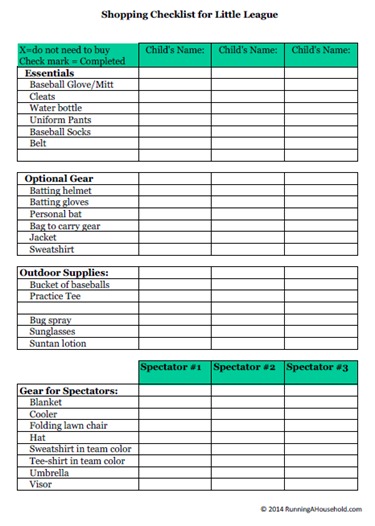
- Operating program: Does the organization offer this format or division during the season you want?
- Eligibility: What ages and participation requirements apply?
- Playing experience: How are games organized, and how competitive is the format?
- Accessibility: What are the field surface, entrances, restrooms and routes like?
- Support: Which buddies, volunteers or specialized game personnel are available?
- Equipment: What does the organization provide, and what must the player bring?
- Commitment and cost: What are the fees, travel needs, practice schedule and time commitment?
- Initial visit: Can you watch a session or try an introductory activity?
Little League states that Challenger programs set their own registration fee policies, and a player may not be denied participation because of an inability to pay a registration fee. Fees, schedules, field conditions and roster openings are set locally.