
 Weather: 614-526-6500

Your first adaptive baseball visit might be a practice or a game, so find out which before arriving. Austin opens its field 30 minutes before games; the Triangle league asks families to arrive 20 minutes early. Give the player room to set the pace, notice what helps, and discuss any needed change with the coordinator afterward.
Is the first visit a practice, a game, or something in between?
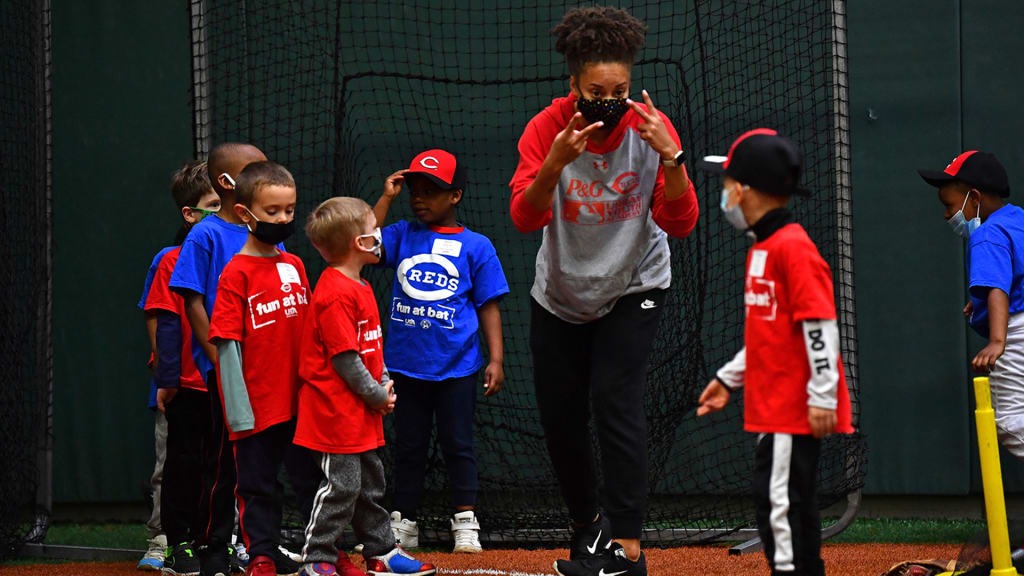
It's easy to imagine a first practice as children waiting in line to hit or throw. Instead, a new player may arrive to find a team, a buddy, and a game about to begin.
Neither setup is unusual. Some Miracle League chapters play games without separate practices; others begin at skill stations and finish with a short scrimmage.
| Program | What the program describes | Timing |
|---|---|---|
| Austin Miracle League, Texas | No formal practices. Players can warm up or become familiar with the field before games. | The field opens 30 minutes before games. |
| Miracle League of the Triangle, North Carolina | No separate practices. Early arrival allows for buddy introductions and warm-up. | Families are asked to arrive 20 minutes early. |
| Kirkland National Little League Challenger, Washington | Hitting, fielding, and pitching stations followed by a scrimmage. | Approximately 45 minutes of stations, then a scrimmage of one to two innings. |
National Little League Challenger Division guidance describes games of about an hour, with one or two innings and chances for players to bat and play defense.
Eight things to ask your local coach before you go
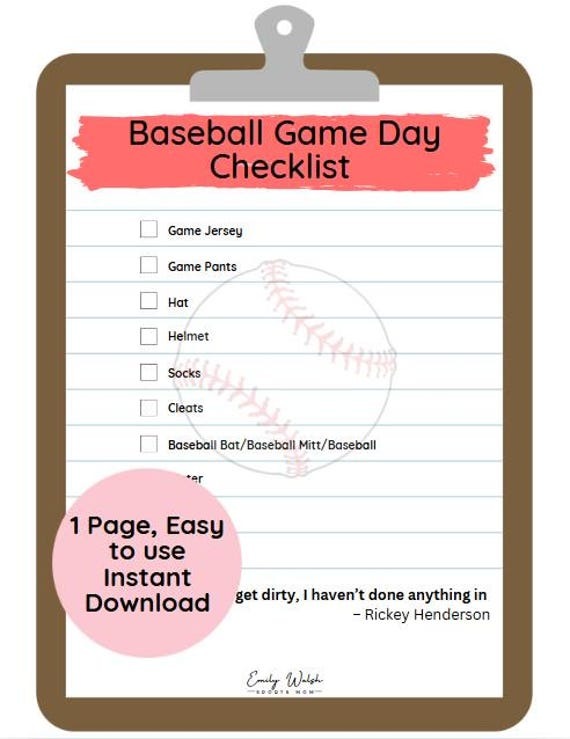
One short call to the coordinator answers most first-visit questions. Little League tells Challenger organizers to ask families about each player's goals and the help a player needs.
Fill in this worksheet for your session.
| What to confirm | Your program's answer | Confirmed by |
|---|---|---|
| 1. Session format: Is the first event a game, practice, warm-up, or introduction? | __________ | __________ |
| 2. Arrival: When should we arrive, and where do we check in? | __________ | __________ |
| 3. Caregiver position: Where can a parent or caregiver stay during activities? | __________ | __________ |
| 4. Buddy: Will the player meet a buddy before activities start? | __________ | __________ |
| 5. Field access: Which entrance, accessible route, and restroom should we use? | __________ | __________ |
| 6. Equipment: What clothing, footwear, and gear do we need, and what is supplied? | __________ | __________ |
| 7. Breaks: What happens if the player needs a pause or a quieter place? | __________ | __________ |
| 8. Changes of plan: Who handles a late arrival, absence, or early departure? | __________ | __________ |
Send something like this:
Hi, we're preparing for our first adaptive baseball session. Could you confirm whether it is a game or practice, when and where to check in, and how the buddy and parent setup works? We'd also appreciate the footwear and equipment requirements. Our player may need a short break between activities, so we'd like to know who to talk to if that happens. Thank you!
Tell the coach how your child asks for help and how they prefer to get instructions. Share anything that affects participation through the program's registration and safety-disclosure process.
What to bring, wear, and check about the field
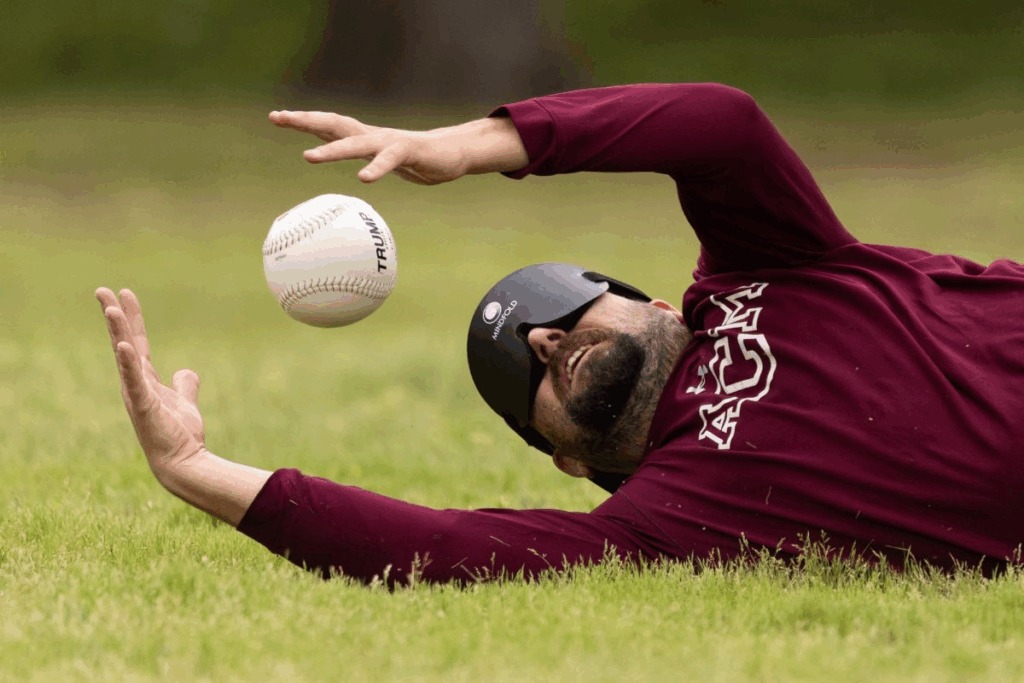
Check what your program supplies before you buy a glove, bat, or cleats. Miracle League of the Triangle says it provides jerseys, hats, bats, and balls. It also says that its players do not need to bring their own gloves or batting helmets.
| Item | What to bring | What to ask your program |
|---|---|---|
| Clothing and shoes | Comfortable clothing for the weather. Footwear rules are below. | Uniforms and any field-surface restrictions. |
| Bat, ball, and glove | Use the equipment the organizer identifies as suitable. | Whether gear is provided or players bring their own. |
| Accessibility | Match the plan to your player's mobility, transport, and facility needs. | Entrance route, restroom access, seating, and pickup procedures. |
Check footwear first. Some Miracle League fields use specialized rubberized surfaces.
Austin Miracle League asks players to wear closed-toe shoes. Miracle League of the Triangle prohibits cleats on its rubberized playing surface.
If your player uses a wheelchair or another mobility aid, a facility described as accessible still leaves important questions open. The details that matter are the route from arrival to the field, restroom access, and where a caregiver can watch. For accessible fields, dugout entrances, and parking routes, see questions to ask before committing to a visit.
Weather can change a visit. Austin sends local weather updates to families, so add the team's update channel to the contacts you collect before the trip.
From check-in to the first turn: what the field may look like
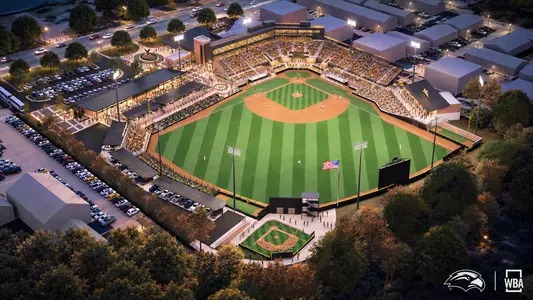
Once you reach the field, staff direct your player to the right team, coach, or waiting area.
At a game-first program, players may gather near a dugout while volunteers get ready to help. Some children want to jump in right away. Others watch until the field feels familiar. If the program offers an early warm-up, use it to look at the bases or meet a buddy before play starts.
If the session begins with a game
Players hit from a tee or a pitched ball, depending on the program. A buddy can help with positioning or point the way when a player needs it.
Kirkland's Challenger buddy instructions tell buddies to make sure a player drops the bat before running and to direct the player toward first base when necessary. The coach runs the flow of play.
Miracle League of the Lehigh Valley describes a fuller sequence. Players report to their assigned dugout and take their turns at bat. After everyone has batted, they move into the outfield, where activities include fielding balls, playing catch, or interacting with a volunteer.
For a player new to organized baseball, even one turn at the plate asks a lot: waiting for a signal, making contact, and knowing where to run next.
If the session begins with skill stations
At a station, a player might swing, field a ball, or follow a throwing instruction. Each station covers one activity before the player moves to the next.
Miracle League of the Triangle states that its players need no previous baseball or organized sports experience.
Coach, buddy, caregiver: who does what?
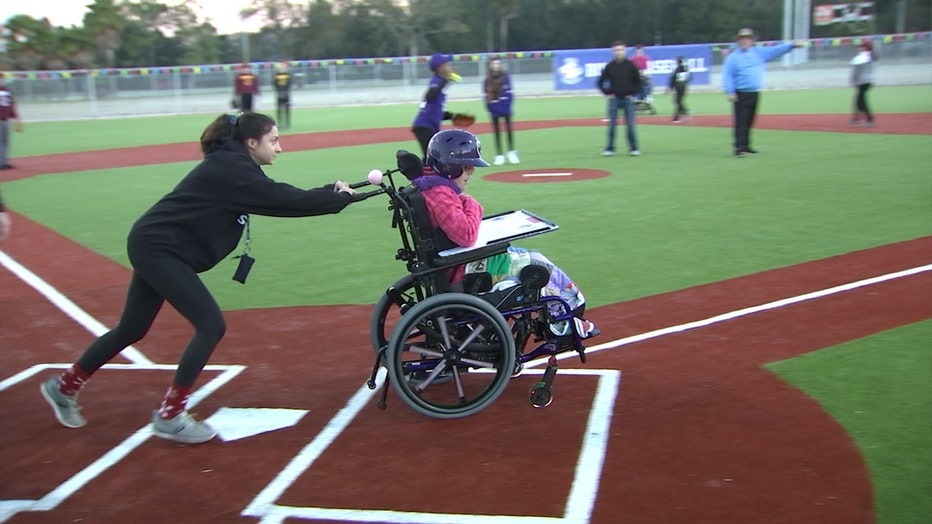
Coaches run the session, buddies help players take part, and caregivers share what the player prefers within the program's rules. The help should match what the player needs and wants to try alone. For Miracle League, Challenger Division, and registration details, see ask whether the league will work for the player.
Little League Challenger guidance describes buddies helping with batting, defense, and running bases as needed. Help can be a spoken cue or more direct hands-on support.
| Person | Main role | Example during a first session |
|---|---|---|
| Player | Take part at a comfortable level and say what they prefer. | Take a swing, respond to a cue, or signal a wish to pause. |
| Buddy | Support the player's participation under the coach's direction. | Give a base-running cue or walk with a player who needs help. |
| Coach or coordinator | Organize turns, explain activities, and run the field. | Tell players where to gather and when the next activity starts. |
| Parent or caregiver | Share useful information and follow the program's rules on watching and helping. | Explain how the player signals a need for help or a break. |
Picture a player who walks up to the tee alone but needs a reminder about which base comes next. The buddy gives that cue without taking over the swing.
Austin Miracle League generally asks parents to observe from outside the field or dugout unless staff approve an exception.
Miracle League of the 805 describes an arrival process in which volunteers may be assigned to players, while national Challenger guidance says buddies help each player according to their needs. To see how buddies, players, and coaches meet on game day, read game-day check-in: meet your player and learn the plan.
When you meet the assigned helper, say how the player likes to be approached, what they can do alone, and when the coach should decide.
If waiting, noise, or an unexpected play changes the plan
A player may enjoy hitting the ball and find the wait between turns hard. Another may be fine with the crowd but unsure what to do after batting. Watch how your player responds, because each case needs something different.
- Noise or unfamiliar surroundings: Tell staff what bothers your player and ask whether a quieter introduction, watching first, or a pause is possible.
- Waiting between activities: Explain the next turn clearly. A familiar visual cue helps some players.
- An unexpected direction or change of mind: If a player runs off somewhere or wants to stop, the coach and buddy decide the next step through the program's procedures.
The National Autistic Society describes clear instructions, predictable structure, advance familiarization, and sensory adjustments for autistic people who benefit from them. For mixed-ability players, coaches, and adjustable drills, see how to adjust communication and sensory load.

If your player asks to watch, pause, or leave, go to the staff member who handles changes in participation and use the agreed procedure for pausing, returning, or ending the session.
What a useful first visit can look like (without a scoreboard)
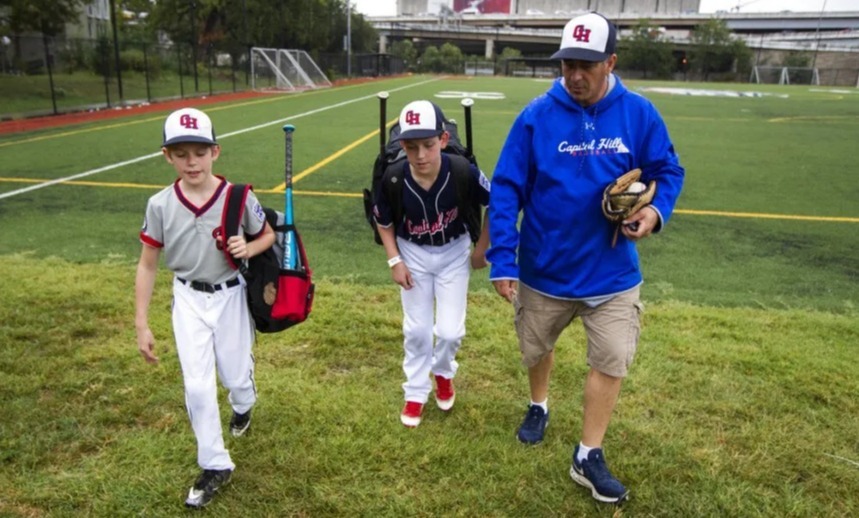
A player who tries one activity, watches eagerly, enjoys time with a buddy, or asks for another turn has given you useful feedback. In a small 2023 inclusive-baseball pilot, researchers spoke with caregivers and observed players before four practices and the later games. After your own visit, record an activity the player liked and a support that worked or caused trouble. A single session describes that day's experience, not long-term development.
After the game: one adjustment and a realistic next step
A hard first visit can lead to a better one. One parent wrote about a six-year-old in Miracle League softball and how the child's feelings about going changed over time.
My 6 year old started softball this spring with the Miracle League in our state and I can't tell you how much fun these events are on the weekend. I am not going to lie it was incredibly difficult at first but today my little guy woke up and started playing take me out to the ball game on his iPad because he knew where he was going. It was awesome, The organization itself is amazing and they team up with buddies and their kindness is just remarkable.
A player's reaction may come as words, a gesture, interest in one activity, or a wish to stop. All give the family and coordinator something concrete to discuss.
Agree with the coordinator on a practical change for the next visit, based on what the player communicated.