 Weather: 614-526-6500

Little League Challenger has two adaptive divisions for players with physical or intellectual challenges. Standard Challenger generally serves ages 4–18, while Senior starts at 15 without an upper age limit. School enrollment can keep a 19- to 22-year-old in Standard, subject to a Charter Committee waiver when the local league also operates Senior. Players able to use traditional Little League with reasonable accommodations are directed toward that option.
Who Is the Little League Challenger Division For?
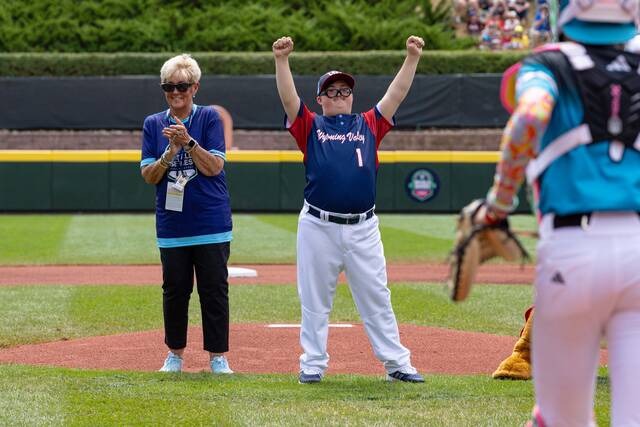
The Challenger Division operates through chartered Little League organizations, which handle local enrollment and games. An unrelated or Canadian program using the name “Challenger Baseball” may have different eligibility rules, so affiliation matters when applying the US guidance here.
Challenger vs. Senior Challenger: What Ages Can Play?
Teenagers can fall within both divisions: a 16-year-old may qualify for either if both exist locally, while a 23-year-old belongs in Senior Challenger. For Tee Ball and Minor League, see Little League division age ranges.
| Eligibility factor | Standard Challenger | Senior Challenger |
|---|---|---|
| General age range | 4 to 18 | 15 and older |
| Ages 19 to 22 | Continuation for school-enrolled players, with additional conditions | Within Senior's age range |
| Upper age limit | Age 22, under conditions | None |
Use the age chart for the playing season
Little League sets division age through its official Challenger age charts. For 2027, find the player's birth month and year on the 2027 Challenger Age Chart, whose official listing is dated September 10, 2026. For any other season, use that season's chart.
Can Players Ages 19 to 22 Stay in the Standard Challenger Division?
A player aged 19 to 22 can stay in Standard Challenger only while enrolled in school. Little League's main Challenger FAQ covers the extension through age 22, and the Senior Challenger Division FAQ explains how Senior availability changes the decision.
- The local league has no Senior Challenger. A school-enrolled player aged 19 to 22 can stay in Standard.
- The local league offers Senior Challenger. To keep a player older than 18 in Standard, the league must request a waiver from the Little League Charter Committee.
- The player is no longer in school. The extension doesn't apply. Senior Challenger is the option, where offered.
Take a 20-year-old who is still in school. With no Senior division at the league, the player stays in Standard. With one, the league must ask the Charter Committee for a waiver, and approval isn't automatic.
If a player older than 18 wants to stay in Standard, ask the local league whether it offers Senior and, if so, whether it will request a Charter Committee waiver.
What Happens During a Challenger Baseball Game?
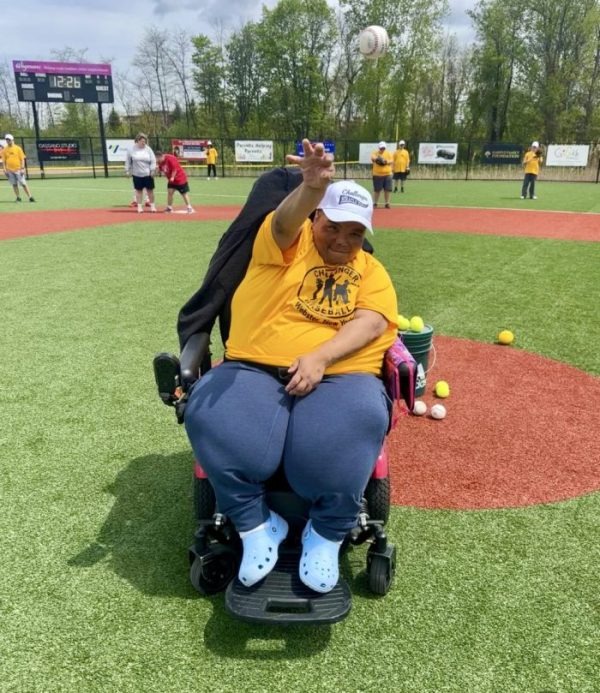
Challenger adapts the game so every player takes part.
| Game feature | Detail |
|---|---|
| Length | About one hour |
| Innings | Usually one or two |
| Batting | Every player bats each inning |
| Fielding | Every player plays defense each inning |
| Assistance | Buddies help as needed |
| Field | Traditional or synthetic baseball/softball fields |
Leagues can vary how the ball is pitched. LeBoeuf Little League, for example, describes tee ball, coach pitch, player pitch or combinations of those formats for its Challenger teams.
Senior Challenger rules
Senior Challenger is noncompetitive. A game can record outs or scores, but regular-season standings should not be kept. Senior Challenger teams play only other Senior Challenger teams.
The field is 60/90, with a case-by-case waiver available for a smaller diamond.
How Do Buddies, Equipment, and Fields Work?
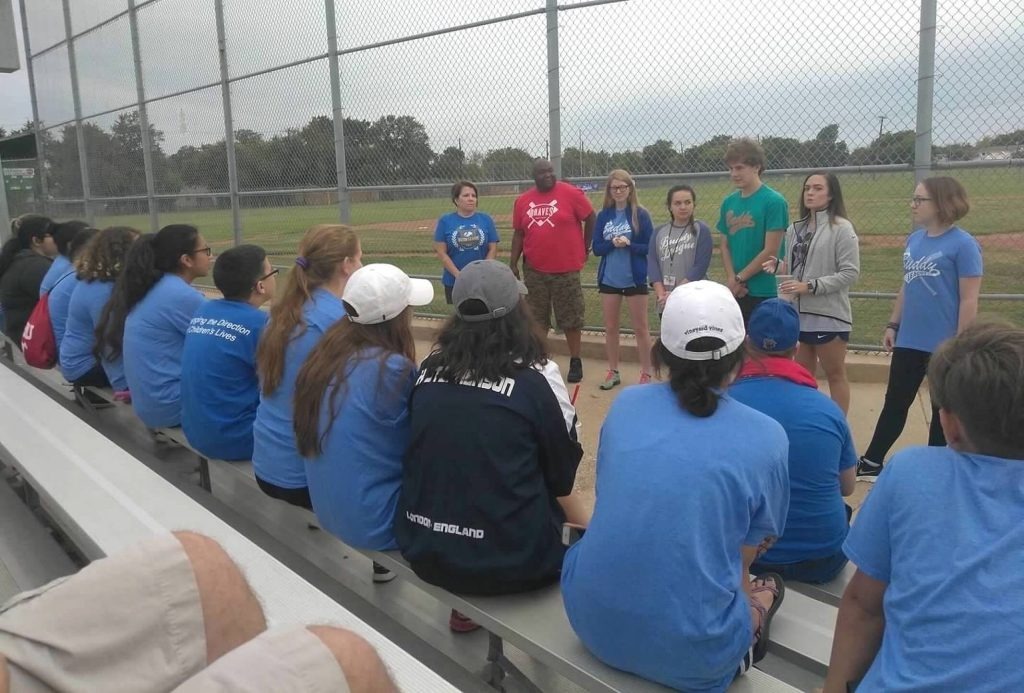
A Challenger buddy helps a player bat, run the bases or play defense when needed. The level of support follows the player's needs and abilities. A player who can run to first base independently may still need help with another part of the game. To judge how much help a buddy should give, read how much assistance a baseball buddy should provide.
Little League strongly recommends a preseason Buddy Training Day to orient and prepare buddies for working with participating players.
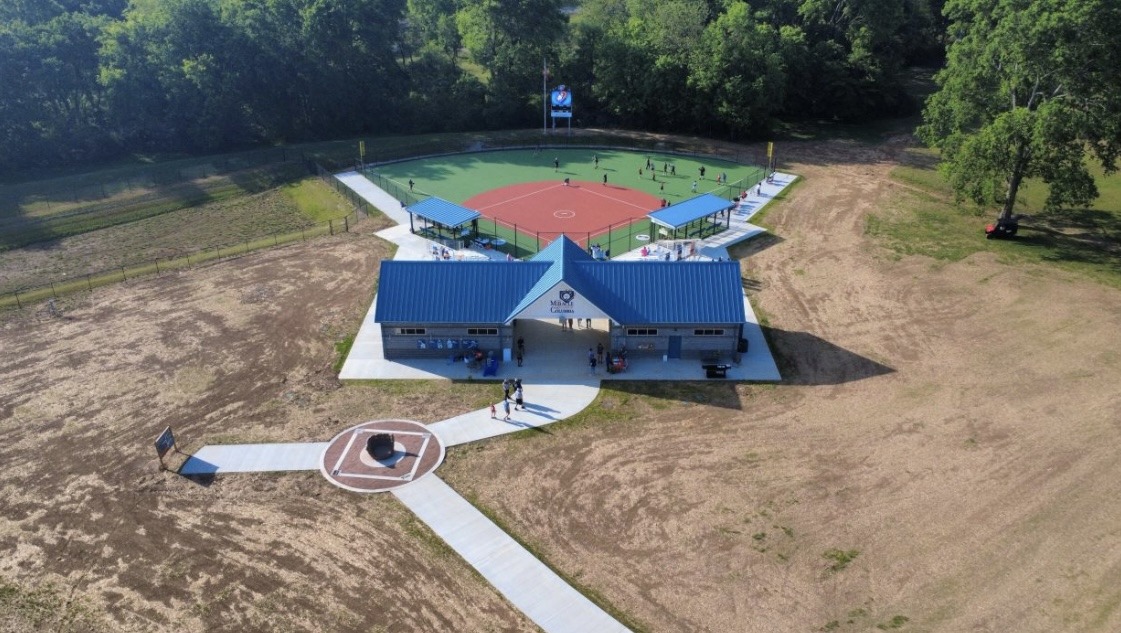
Equipment needs vary by player. A player who has trouble getting a hand into a baseball glove, for example, can use a different glove arrangement or help from a buddy. For a player using mobility equipment, access to entrances, the playing surface and nearby facilities matters.
Is Challenger the Right Fit, or Could Traditional Little League Work?
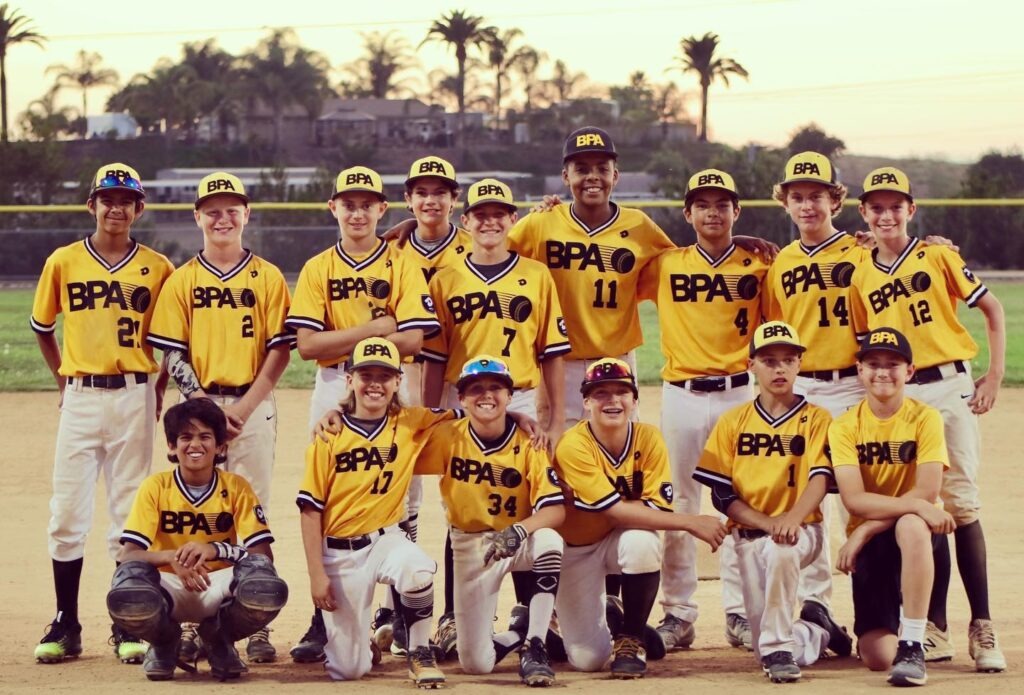
Little League says that a player who can participate in traditional Little League Baseball or Softball with reasonable accommodations should do so. A child new to baseball can start there too.
One parent in r/LittleLeague described a first-time nine-year-old whose minor-league tryout led to a recommendation the family found hard to understand:
My (now 9.5 yo) son only developed an interest in baseball last spring after our league's registration deadline, so he missed out on coach pitch when he was in the usual age range. We registered him for this year and he went to minors tryouts. We get an email a couple of weeks later from the league president saying that "due to safety concerns" they believe he's not ready for player pitch.
The parent wanted to know what the league based that call on. Placement talks get tense when the family and the league read a child's readiness differently.
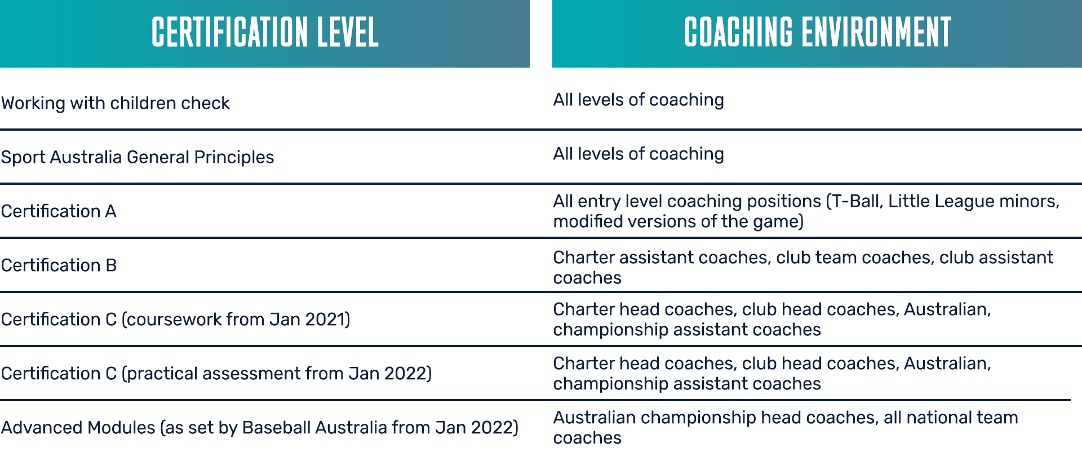
A separate commenter with coaching experience suggested a way to compare the two settings:
I would also suggest you try and get a schedule for the Challenger league and go watch a game there by yourself, so it's not some strange unknown but something you'll be able to compare and contrast. Also find a kid pitch minors game at your league and watch them for a game as well. Don't watch the action though, for both games watch the kids on the bench, the kids practicing pregame, how the coaches interact, etc... get a feel for what the different environments are like.
Seeing both games lets you judge which setting the player will enjoy and take part in comfortably.
What Can Vary by Local League?

Each local program sets its registration fee. Little League's national guidance states that a player must not be denied participation because the family cannot afford that fee. For more on Miracle League, the Challenger Division and local registration, see how to use Little League's Challenger Division finder.
Hermosa Beach Little League describes free registration and Sunday games during a March-to-June season, although its Challenger page also refers to 2019 registration.
| Ask the local program | Who can answer |
|---|---|
| When does registration open and close? | Registration coordinator |
| What fee applies and how is financial assistance handled? | League administration |
| Which equipment is supplied? | Coach or coordinator |
| What are the practice and game days? | Published local calendar |
| What pitching or game variations are used? | Challenger coach |
| Is travel expected? | Local program organizer |
| What is the field like, and how much buddy help does the player want? | Local program organizer |
How Do You Find a Challenger Program?
Little League's League Finder has a Challenger option. It asks for a physical home or school address and the player's birth month and year; adult contact information is optional.
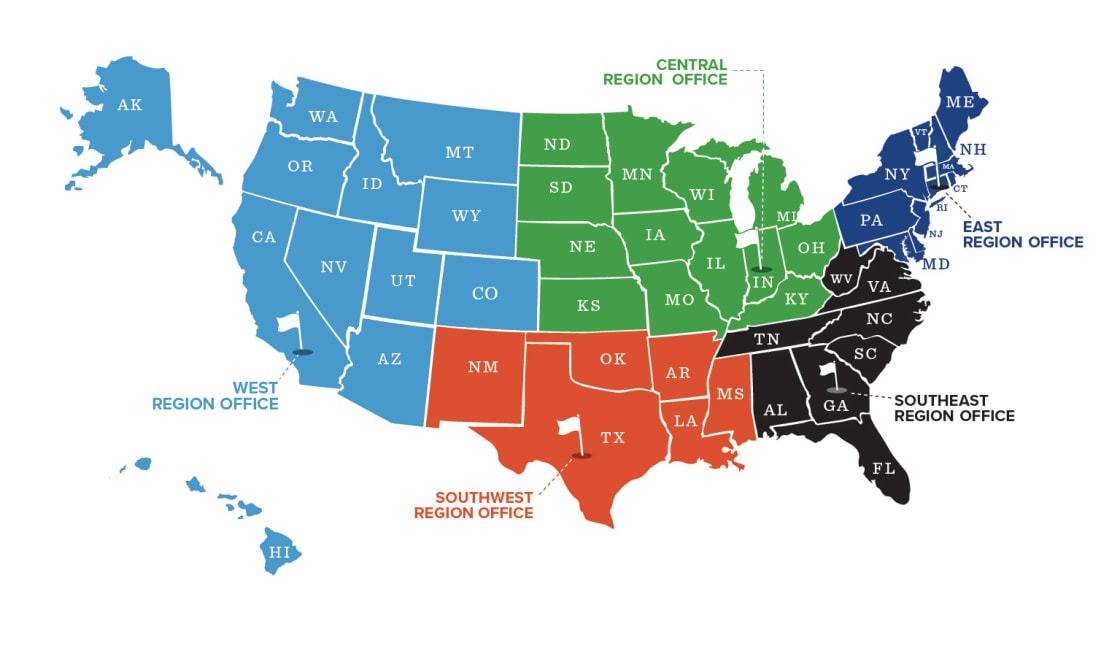
The result is a league lead, not a confirmed place. The local organizer supplies the season schedule, actual registration status, and boundary decision.
If the Finder returns no usable program, Little League also lists [email protected] as a contact for help finding a Challenger Division.