 Weather: 614-526-6500

Adaptive baseball and wheelchair softball aren't interchangeable versions of one sport. Miracle League and Little League Challenger offer forms of baseball; organized wheelchair softball uses a 16-inch ball and its own competition rules. A player who enjoys a conventional softball team may also stay there when the league permits suitable accommodations.
Adaptive Baseball vs. Wheelchair Softball: The Differences at a Glance
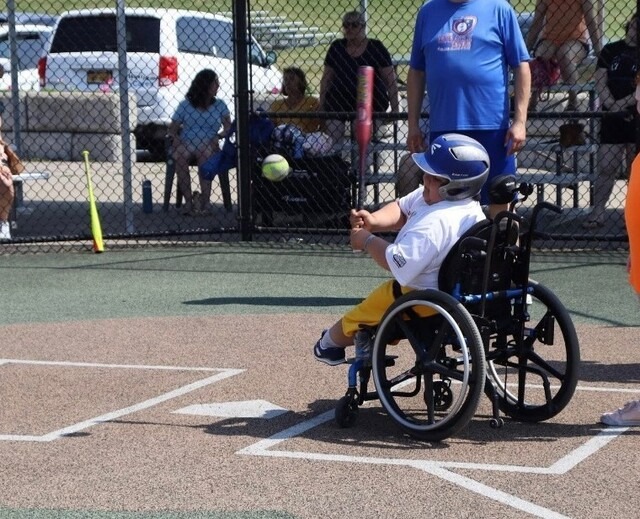
The same athlete might have access to a baseball diamond and a wheelchair-softball court, yet encounter quite different games on each.
Adaptive baseball is a broad label for baseball programs built for players with different abilities. Miracle League and Little League Challenger are two examples, each with its own organization and approach. Wheelchair softball is a separate 16-inch softball discipline with formal competitive rules. USA Wheelchair Softball, also known as the National Wheelchair Softball Association (NWSA), oversees it. For more on accessible fields and inclusive teams, see the main ways to play adaptive baseball.
| Question | Adaptive baseball programs | Organized wheelchair softball |
|---|---|---|
| What sport is played? | Baseball with program-specific adaptations | Modified 16-inch softball |
| Where might someone play? | Miracle League or Challenger baseball programs | An NWSA-affiliated team or event |
| What is the game like? | Formats vary; some Miracle League affiliates offer competitive divisions | Team competition with defined rules |
| What surface is used? | Rubberized Miracle League turf or a field used by a local Challenger program | Typically a smooth, hard court or marked asphalt surface |
| What equipment matters? | Local baseball equipment and any needed adaptations | A 16-inch ball and competition-specific wheelchair requirements |
| Who helps a player? | Buddies assist when needed | Players have defined competitive roles and classification rules |
| Who determines eligibility? | The particular program and division | The governing competition rules and its organizers |
| Who is the first contact? | Local Miracle League or Challenger program | Wheelchair-softball team or organizer |
Who Can Play and Which Eligibility Rules Apply?
In inclusive baseball, the program sets age and registration rules. Organized wheelchair softball adds competition classification requirements. In both systems, the program's rules decide who plays. Wheelchair use or a diagnosis does not settle it on its own. For Miracle League, Challenger Division and beep baseball, see which format fits different playing goals.
The Little League Challenger FAQ describes baseball for players with physical or intellectual challenges. Its age rules work like this:
- Standard Challenger covers ages 4 through 18.
- A local league without a Senior Challenger Division may allow a player still enrolled in school to continue in standard Challenger through age 22.
- A league that wants to keep a player older than 18 in standard Challenger must also request a waiver from Little League's Charter Committee.
- Senior Challenger starts at age 15 and has no upper age limit.
Miracle League offers opportunities for children and adults with disabilities, and its affiliates handle their own registration.
The NWSA adult rules dated July 15, 2024 use functional classification points. They set a general maximum of 28 combined points for the players on the field.
A team that rosters a qualifying quadriplegic player must keep one in active play. A team without such a player, or one that can no longer field one, is subject to a 25-point limit. It also takes an automatic out at the former player's batting position or every tenth batter, as applicable.
Junior rules and amendments are published separately. Classification follows the competition's own procedures.
A 14-year-old exploring Challenger baseball starts with the local Little League division. An adult entering NWSA wheelchair softball goes through a separate competition process that includes functional classification.
Why the Playing Surface and Field Dimensions Matter
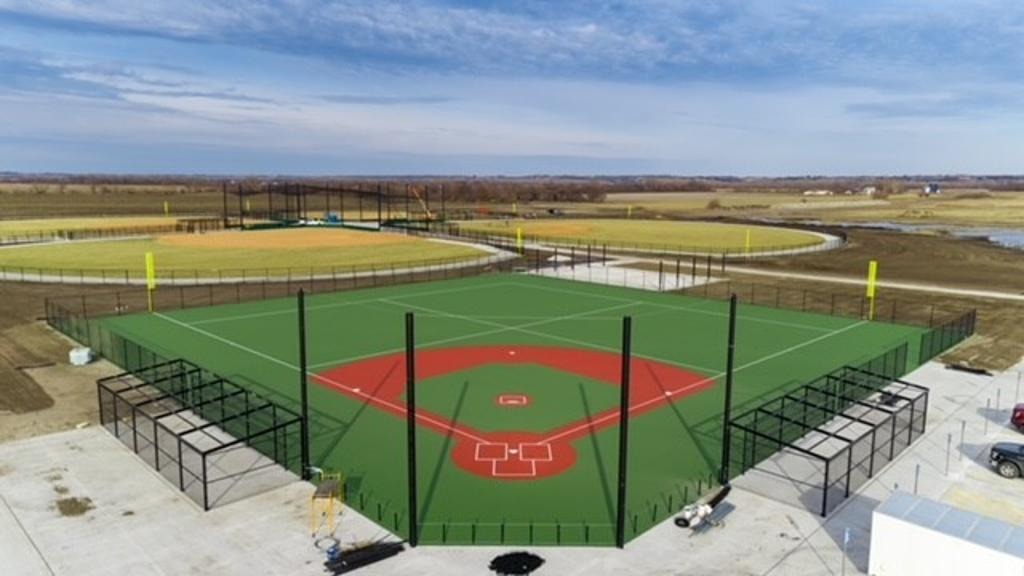
Miracle League fields use rubberized turf, built for players with wheelchairs and other mobility equipment. Competitive wheelchair softball favors concrete, asphalt or similar smooth, hard surfaces where chairs roll well. To assess accessible fields, dugout entrances and parking routes, read will the playing surface, bases, and mound work.
USA Wheelchair Softball covers this difference in its wheelchair-softball field guidance. Softer Miracle League surfaces and their smaller layouts suit practices, while the association favors harder, appropriately sized courts for competition.
Say a team is offered a Miracle League diamond for a wheelchair-softball scrimmage. A practice works on that surface. A formal competition needs the field configuration its rules require.
NWSA field guidance describes wheelchair-softball play on parking lots with temporary markings.
Adult wheelchair-softball measurements
The adult NWSA rules specify these dimensions:
| Field feature | Adult rulebook measurement |
|---|---|
| Basepaths | 50 feet |
| Pitching stripe from home | 28 feet |
| Foul lines | 150 feet |
| Straightaway center field | 180 to 220 feet |
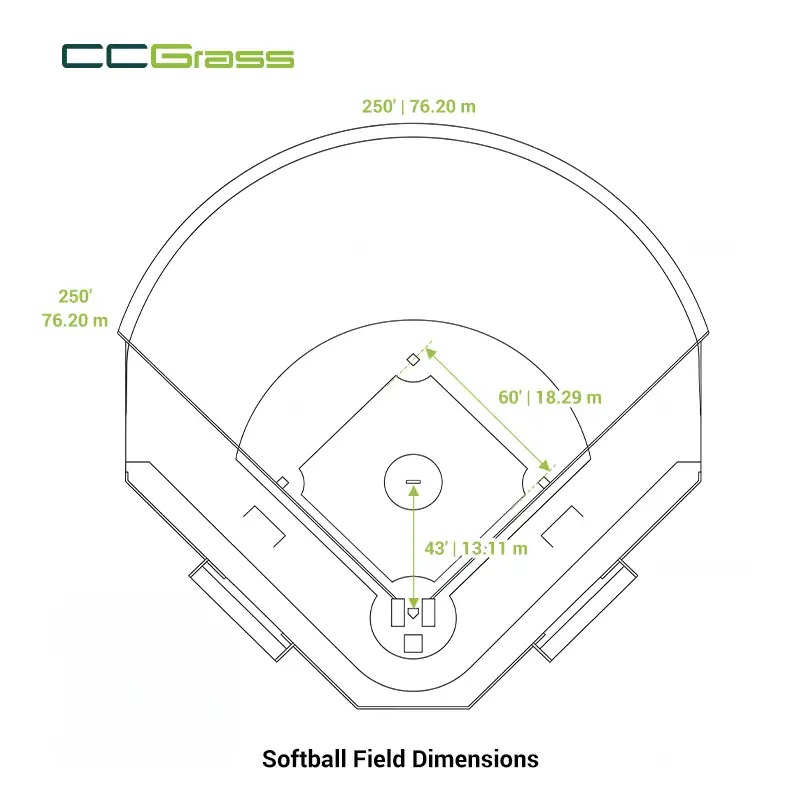
Junior wheelchair-softball field dimensions may differ.
What Changes on the Field: Ball, Wheelchair, Base Tags, and Buddies
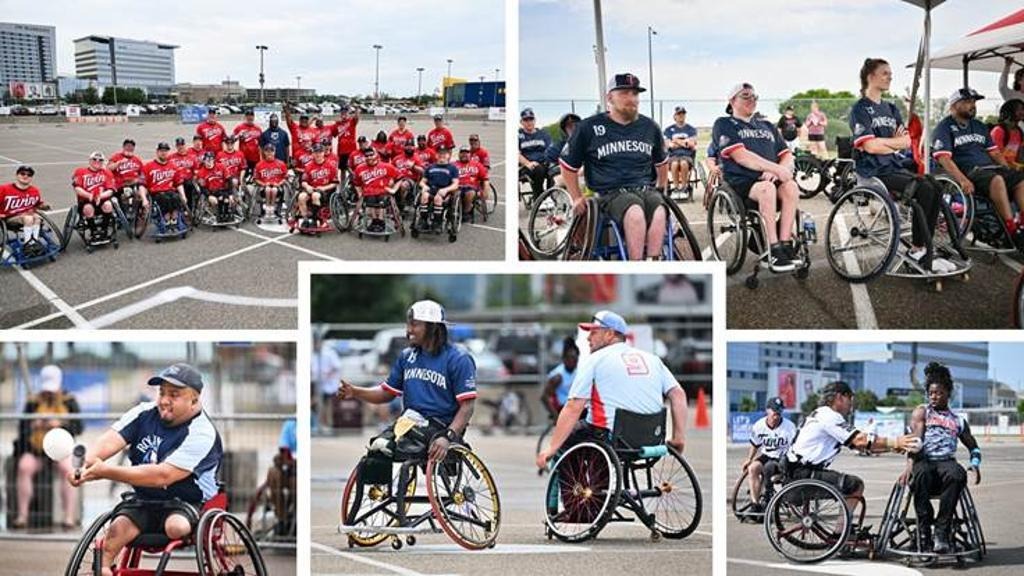
The ball changes the game. The NWSA uses a 16-inch ball, and its general information explains that a player can catch it without a glove, which leaves a hand free to move the wheelchair.
Under the NWSA adult rules published July 15, 2024, participants use manual wheelchairs with foot platforms.
On base-contact plays, front casters and rear wheels can count; anti-tip casters do not. A seated base runner may also touch the base with a hand.
At second base, the adult rules designate a painted circle four feet in diameter.
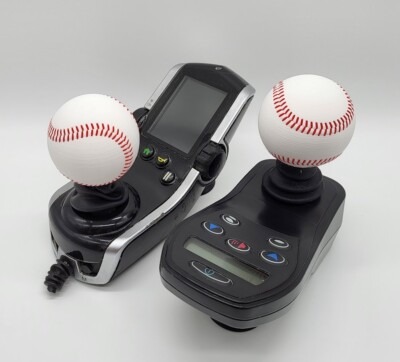
Little League Challenger plays differently. Its flexible games typically run one or two innings and last about an hour. Players bat and play defense, and buddies help with batting, base running or fielding as needed.
A Miracle League buddy assists a player's swing or movement without becoming the player. In wheelchair softball, a competitor making contact with a base acts under that sport's rules. Those are different roles, not merely different kinds of help.
Can a Wheelchair User Stay in a Conventional Softball League?
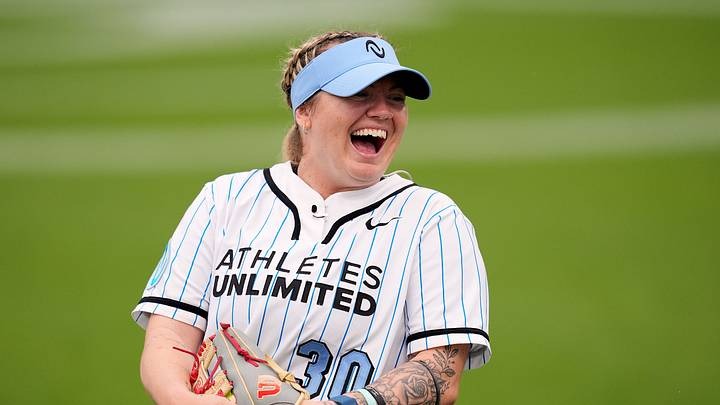
A wheelchair user can stay on a regular softball team if the player wants to and the league allows accommodations. Little League encourages participation in traditional baseball or softball with reasonable accommodations when feasible. For a youth player who wants to stay with teammates, the player or guardian, coach and league administrator can talk through batting, fielding, communication and whatever the league rules allow.
Which Playing Path Fits Your Goal?
| Your goal | Look at | Why |
|---|---|---|
| Try baseball with adaptable play and support | Miracle League or Little League Challenger | Baseball arrangements set by each program, including competitive divisions at some Miracle League affiliates |
| Play organized wheelchair softball | NWSA-affiliated team | A distinct softball game with its own rules and competition structure |
| Keep playing with familiar softball teammates | Regular softball with approved accommodations | Keeps the same sport and team where the league permits |
Distance and facility availability can settle a practical choice even when a player is interested in more than one format.
What to Confirm Before You Join or Buy Equipment
The official organizations provide different starting points: Little League has a League Finder, Miracle League offers a national affiliate contact route, and USA Wheelchair Softball publishes team and contact information. The individual organizer confirms facilities and registration.
Eight questions for the organizer
- Which program and division is this? Ask which organization runs it and whether it is adaptive baseball, wheelchair softball or regular softball.
- Which rules apply this season? Ask for the current version and any amendments, especially for formal competition.
- What are the participation requirements? Ask about age bands, classification procedures and enrollment conditions.
- Is this a practice or a competition? Ask which game format and standard the event uses.
- Where is it played? Confirm the surface, field layout and access features the player needs.
- What equipment and support are needed? Confirm the ball, wheelchair and buddy arrangements, plus any loaner gear, before you buy or modify a sports chair.
- What does attending involve? Get the schedule, location, fees, travel expectations and registration process.
- Who coordinates accommodations? Get the name of the person responsible for arrangements agreed with the player or guardian.