 Weather: 614-526-6500

For a child's first baseball season, prioritize a glove they can handle and the clothing the league requires. Ask whether the team provides a legal, safe bat, helmet, or catcher's set that fits before buying personal gear. League rules, fit, condition, and availability determine what you need to purchase.
Before buying, find out what your league provides
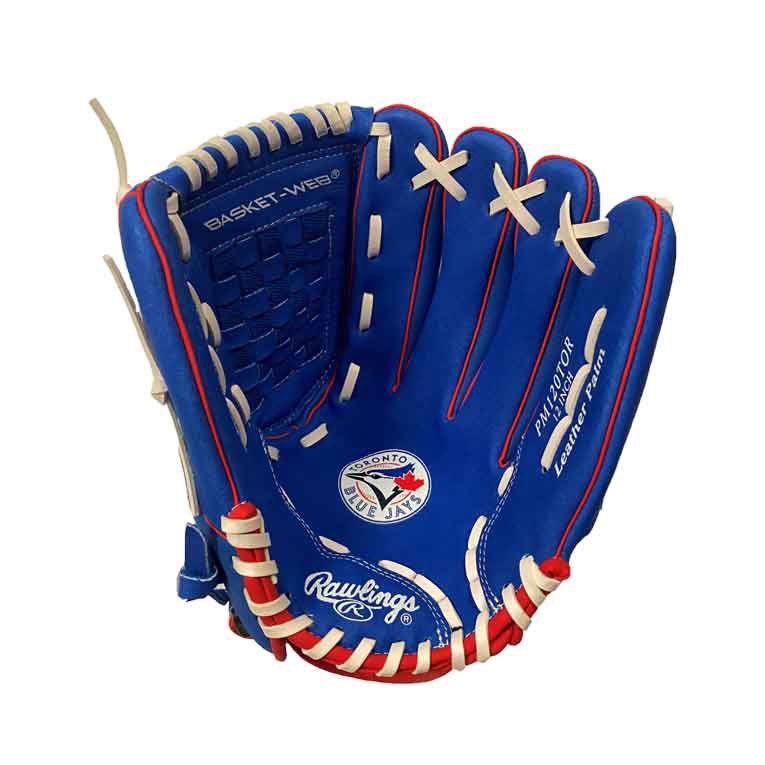
The practical distinction is what families bring versus what the team supplies. Little League's parent equipment guidance lists bats, helmets, baseballs, catcher's equipment, and uniform pieces that local leagues may provide. The inventory, sizes, and condition are set locally.
For a parent new to the sport, even knowing what to ask is hard. One parent put it plainly in r/Parents:
y youngest is starting Little League this spring and it’s completely new to us. None of us in the family grew up playing baseball, so I feel like I’m learning everything from scratch. Do kids usually need their own bat, glove, helmet, etc., or does the team typically provide some of that? I don’t want to show up unprepared, but I also don’t want to buy a bunch of stuff we might not actually need. Any tips for first-time Little League parents would also be appreciated!
The opening conversation with the coach can cover three shopping questions:
- Team inventory: Which bats, helmets, balls, and catcher's items does the team issue?
- Personal requirements: What must each family supply for your registered division?
- Borrowing: Can a new player use team equipment that fits while learning what works?
A team may own several bats and still have none that suit your child. A helmet may be on the shelf but fail the fit or condition check.
Essential baseball gear: personal, shared, or conditional
Here is a starting matrix for a first-season Little League player. Your team's instructions settle who supplies what.
| Equipment | Why it is used | Who usually supplies it | What to do |
|---|---|---|---|
| Fielding glove | Catching and fielding | Often personal | Get one that fits; a usable loaner works |
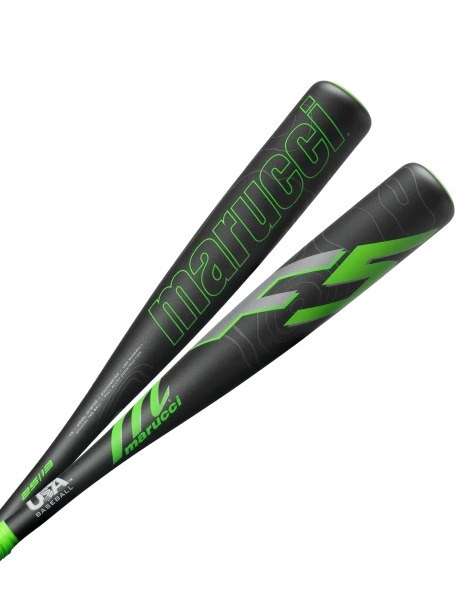
| Baseball bat | Batting | May be team-issued | Buy your own only when needed |
| Batting helmet | Protection while batting and in running situations that require it | May be shared | Approved fit and condition required |
| Baseballs and batting tee | Games and practices | Commonly league inventory | Team supply covers it |
| Catcher's protective set | Catching position | May be team-issued | Complete protection whenever the child catches |
| Cleats or athletic shoes | Movement on the playing surface | Usually family supplied | Follow division and field rules |
| Jersey, cap, pants, socks, belt | Team uniform | Shared responsibility | Get the specified pieces |
| Batting gloves, bag, personal net | Comfort, transport, or individual practice | Personal and conditional | Buy when a real need shows up |
Your child uses the fielding glove for a whole practice, so it deserves attention first. It has to fit and be easy to handle. To test one, check whether the glove fits your hand and closes easily.
Every batter needs a bat and a helmet, and several kids can share the team's approved ones. A child learning to catch needs protection that suits the position, and your coach decides whether the team's set does.
Picture a child starting Tee Ball. The team has bats and helmets that fit, the family found a glove the child can close, and the coach named the required shoes and clothing. A separate bat bought to complete a retail starter bundle adds nothing to that first session.
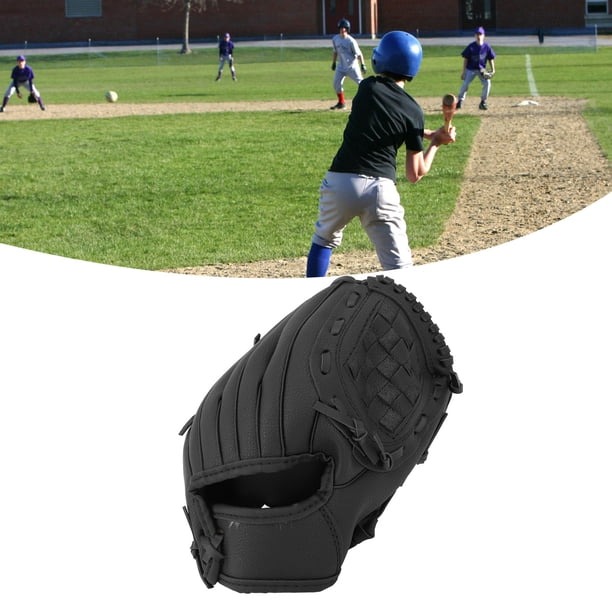
A child who tries several positions will also meet specialized gear such as a catcher's mitt, which differs from an ordinary fielding glove.
Check your bat's league approval before judging its size or price
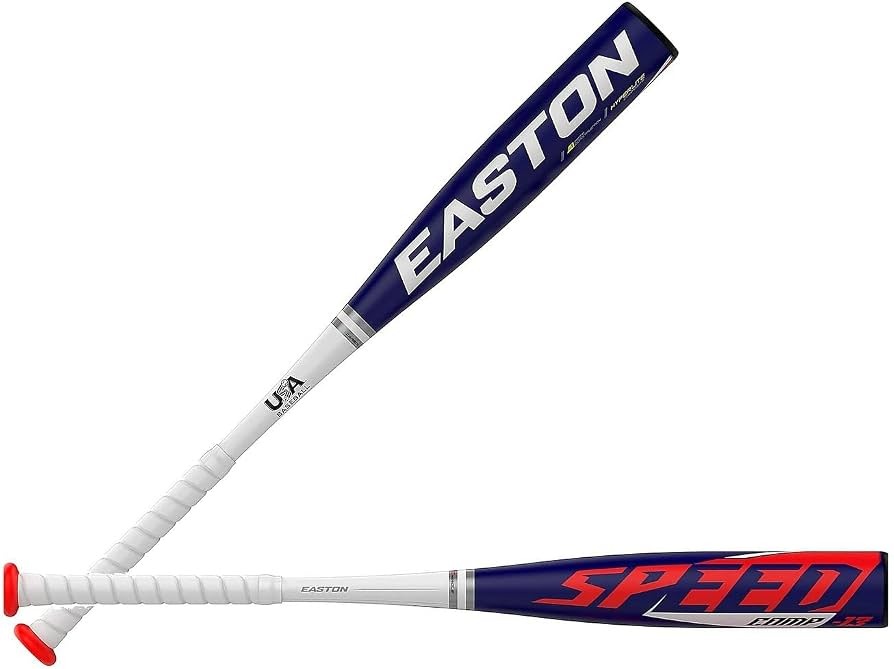
Comfort, price, and appearance cannot make an ineligible bat legal. Its certification mark identifies a standard; the organization, division, and any model restriction determine acceptance. For the USABat and BBCOR division comparison, see which bat is legal in Little League baseball.
Little League's official bat-information rules set these standards for Little League Baseball:
| Little League Baseball division | Nonwood bat standard |
|---|---|
| Tee Ball, Minor, Major | USABat, with additional Tee Ball conditions |
| Intermediate (50/70) | USABat or BBCOR |
| Junior League | USABat or BBCOR |
| Senior League | BBCOR |
USABat entered Little League Major and younger divisions on January 1, 2018. The Little League bat chart also lists a maximum barrel diameter of 2 5/8 inches for the covered divisions, with additional division-specific conditions.
A July 7, 2026 Little League announcement about USA Baseball's oversight of USA BBCOR said the transition would not affect its 2027 seasons.
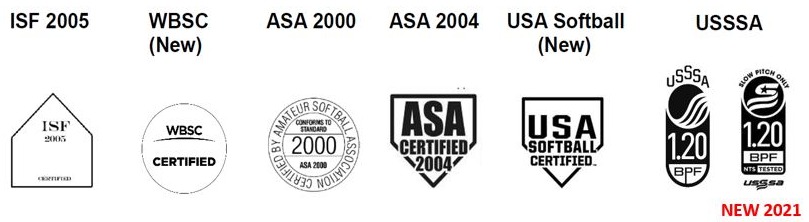
USA Baseball's bat FAQ and certification guidance covers approved and decertified equipment. The USABat certification system has no general drop-weight restriction. Drop weight is the difference between bat length in inches and weight in ounces, often written as a negative number.
A bat purchase requires a few specific checks:
- Identify the governing organization and division.
- Find the bat's certification mark and model. Confirm exactly which version is for sale.
- Check it against the rule and the approved or decertified information. Finish this before you commit.
A USSSA-marked bat at an attractive price isn't automatically right for Little League Major. A player moving from Junior to Senior League also needs a BBCOR bat.
These examples cover Little League Baseball only. Travel, school, adult, and softball programs set their own rules.
Helmets and catcher's equipment are safety checks, not shopping add-ons
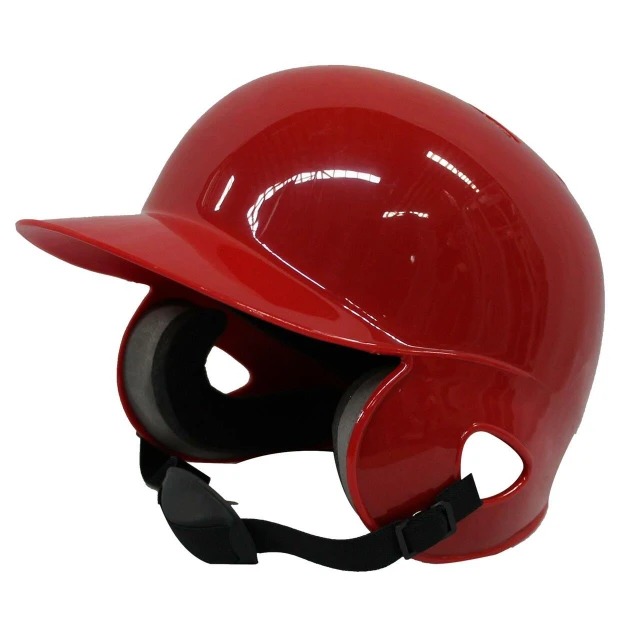
Protective gear must meet the rules and be in good condition before a player uses it. A shared helmet gets the same scrutiny as one you buy.
Little League specifies NOCSAE-marked batting helmets for practices and games. Its equipment-inspection guidance names defects including cracked shells, missing or damaged padding, and problematic modifications.
Check each item:
- Batting helmet: Check the required marking, fit, shell, interior padding, and attachments. Don't use a helmet that slides into the player's eyes or has a cracked shell.
- Catcher's head protection: Check the helmet and face mask together with the required dangling throat guard. The set isn't complete without every part.
- Catcher's body protection: Check the chest protector and shin guards for fit, coverage, straps, and damage. Little League's safety code also requires a protective supporter and cup for male catchers.
NOCSAE publishes separate standards for batter helmets, catcher's helmets, and helmet-mounted face protectors, including ND022, ND024, and ND072. A helmet's certification doesn't automatically cover every aftermarket face protector.
In Little League play, a separately attached face protector needs a notice from the helmet manufacturer confirming that the attachment hasn't voided the helmet's NOCSAE certification. The umpire must see that notice before the game.
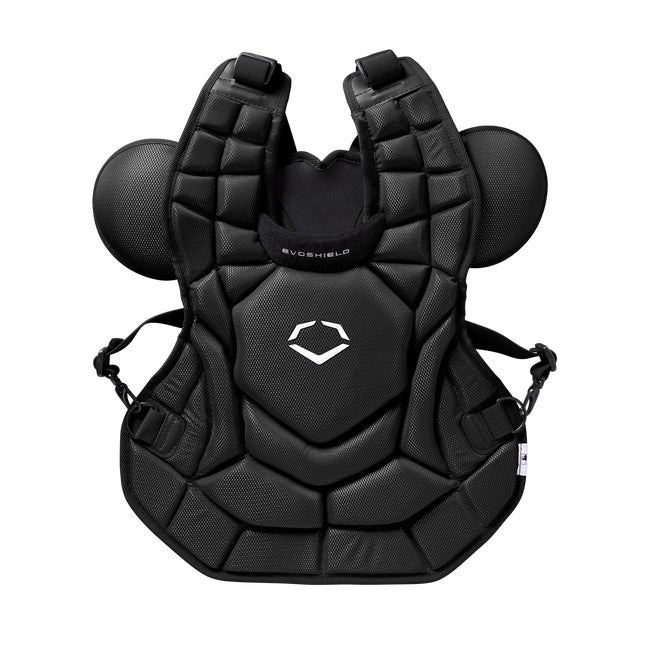
Say a family receives a free batting helmet with a crack near the ear flap. The price doesn't change its condition. Likewise, a team catcher's set that lacks the required throat protector has to be fixed before the player catches.
Since a 2025 change to Little League's equipment-inspection rules, the manager checks equipment legality before games. Families can spot obvious problems, but the rules and the responsible team personnel decide whether the full setup passes.
Fit comes before a premium glove or expensive bat
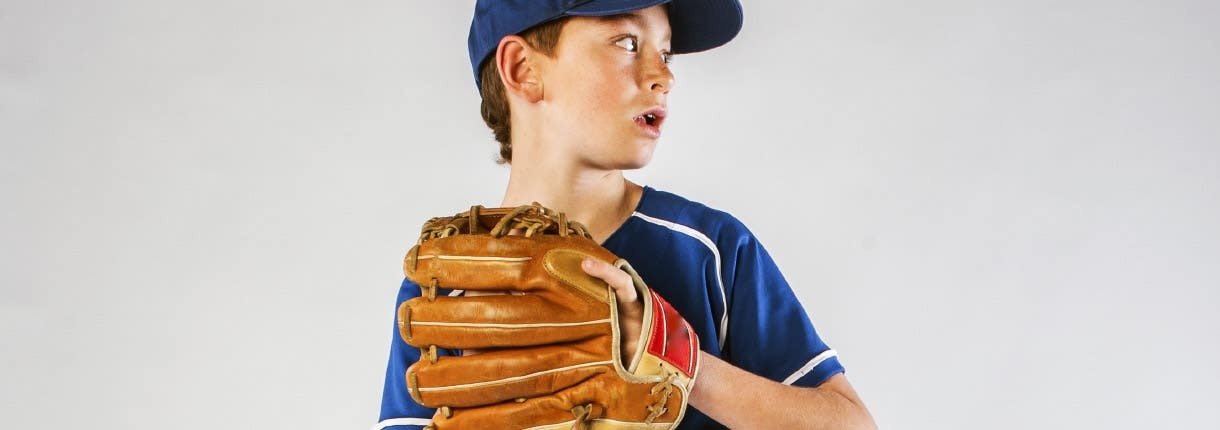
A glove your child can't close is a poor choice, however fine the leather or high the price. Your child has to control it with their own hand.
Fielding gloves go on the hand opposite the throwing hand: left for a right-handed thrower, and usually right for a left-handed one. Establish that orientation before choosing a retail RHT or LHT listing.
Try the glove on your child:
- Hand placement: The glove should sit securely, without feeling awkward or slipping.
- Closing action: Your child should be able to squeeze it around a baseball with reasonable control.
- Flexibility: A stiff glove is hard for a young beginner to use; a broken-in one is easier.
- Condition: The pocket, webbing, and lacing should still work.
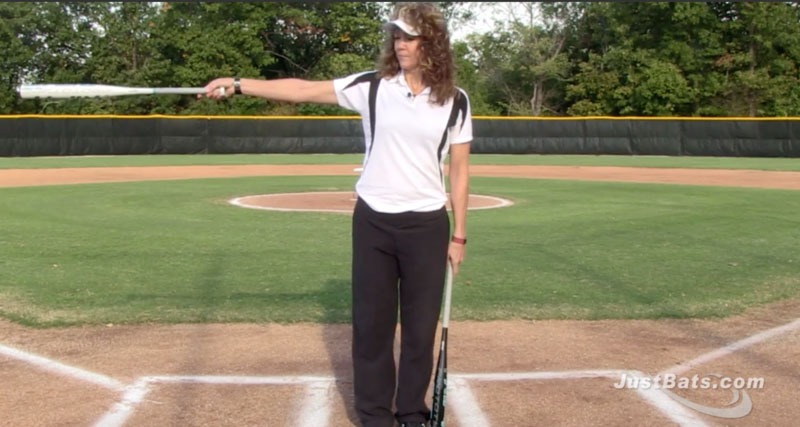
A bat handles differently. Once you've confirmed it's legal, let your child try the grip and handling with the coach's help. Length, weight, and balance should allow controlled swings.
A batting helmet should sit securely and comfortably, without shifting down over the eyes. Follow the manufacturer's fitting instructions and the league's protective-equipment requirements.
Neither glove size nor bat drop can be selected reliably from age alone. For an initial length comparison, see how to use a size chart to shortlist two lengths.
Buy, borrow, or wait: an order that avoids repeat purchases
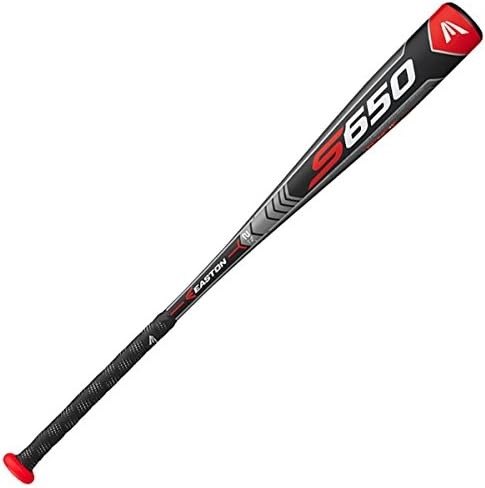
For the opening session, a usable glove and required clothing take priority. Legal, correctly fitting team bats, helmets, and catcher's sets can make personal purchases unnecessary for now.
Some families buy a personal helmet for consistent fit and convenience, especially when shared helmets are scarce. That's a fair reason, as long as the helmet meets the approved requirements.
A permitted loaner bat gives the player time to discover a comfortable grip and balance. Premium bats, specialist mitts, and a personal net needn't be part of the first shopping trip.
One rural Little League with roughly 350 baseball and softball players gives each team at least two bats and five helmets, according to its equipment manager.
Another commenter argued for a stockpile that teams draw from on request:
I would not automatically distribute bats and helmets, except maybe at the t-ball level (one bat, a 25" -12, and a couple of helmets in small sizes should be fine). You can purchase (ideally used gear) and/or ask families to donate old equipment and have a stockpile of old bats, helmets, and gloves - but ask your team managers to reach out and get them for their team if the need arises rather than issuing the equipment to every single team.
Donated helmets and catcher's gear still need the checks above.
Sort each item into one category:
- Buy now: A required item your child can't get in a form that works.
- Borrow now: Approved equipment that fits, already available through the team or another permitted arrangement.
- Wait: Accessories, upgrades, and specialty gear with no immediate use.
Buying used equipment: inspect the item, not the bargain label
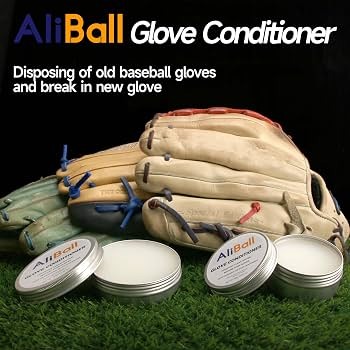
Used equipment can be a good buy when its condition fits the job. Look over a used glove's leather, lacing, webbing, pocket, shape, and cleanliness. A glove with broken laces or a collapsing pocket needs repair or replacement before it's useful.
One commenter received donated gear that included usable gloves, along with items whose assigned value they disputed:
Around me Facebook is a good source and with gloves can be an improvement over buying new since they are already broken in. There are also some resources for donated goods online. Last year we got equipment from Pitch In. They dramatically overstated the value of what we got (i.e. batting helmet with a clearance sticker of $4 valued at 35), but there were some quality gloves included which we were able to pass on to families in need.
For a buyer, condition and usefulness decide whether an item is worth taking.
Little League's donation guidance names specific defects that should keep unsuitable equipment from being passed along.
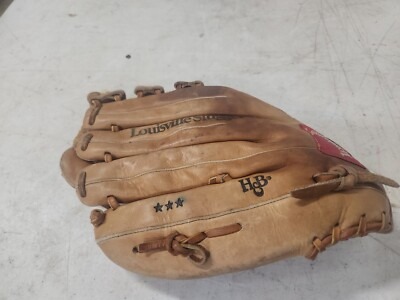
| Equipment | Reject it or get it assessed if you see |
|---|---|
| Glove | Broken lacing, unusable shape, damaged components, or contamination |
| Bat | Cracks, bowing, damaging alterations, or an ineligible model |
| Batting helmet | Cracked shell, missing padding, unsuitable fit, or questionable alterations |
| Catcher's protection | Missing parts, damaged straps, mold, or waterlogged components |
| Baseball | Waterlogging or torn seams |
For a secondhand bat, an approved standard and intact condition are separate requirements. A bat in good shape can still be ineligible for the player's competition.
For a used batting helmet or catcher's set, reject anything suspect until the responsible team personnel or a qualified equipment authority confirms it meets the requirements.
Cleats, uniforms, and first-practice extras that can wait
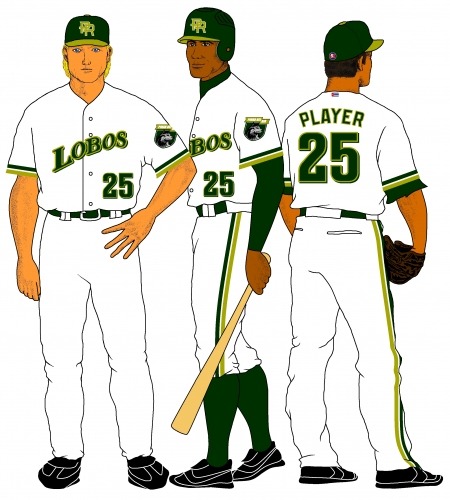
Little League teams commonly provide a jersey and cap. Families may need to supply pants, socks, and a belt in specified colors, so confirm the details with the team before ordering.
Little League guidance calls for molded cleats in Tee Ball, Minor, and Major, where metal spikes are not permitted. Other divisions and organizations can set different footwear rules.
The first-practice packing checklist covers the essential glove, footwear, clothes, water, and any team-specific items. Branded bags, batting gloves, a personal tee, and a training net can stay off the initial list.
Your one-page equipment decision sheet
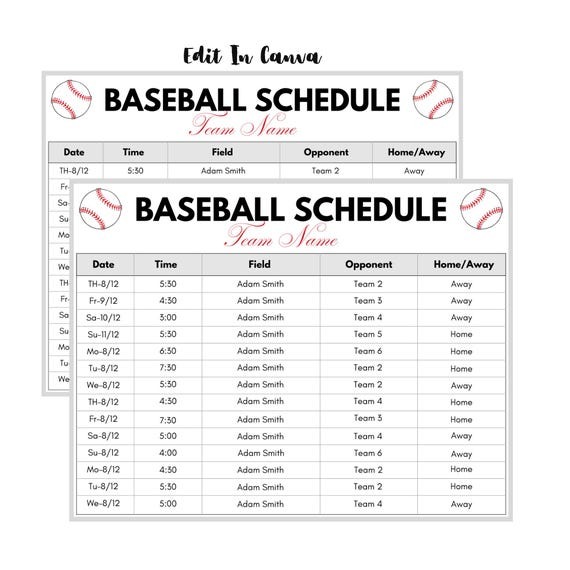
Write down the league, division, and season the requirements apply to. Then give each item a supply status, a rule check, a fit or condition result, and a decision.
Copy these fields for your own team:
League: __________ Division: __________ Season: __________
For each item: Equipment __________ | Team supplies? Yes / No / Unknown | Rule or mark checked? Yes / No / N/A | Fit and condition checked? Yes / No | Needed by __________ | Decision: Buy / Borrow / Wait / Reject | Follow-up __________
The example worksheet shows a first-season Tee Ball player whose team lends batting equipment and whose coach has confirmed the clothing list.
| Item | Team supplies? | Rule or mark checked? | Fit and condition | Needed by | Decision |
|---|---|---|---|---|---|
| Fielding glove | No | N/A | Player can close it | First practice | Buy or use a personal loaner that works |
| Bat | Yes | USABat and Tee Ball conditions confirmed | Suitable team bat | First batting session | Borrow |
| Batting helmet | Yes | Required NOCSAE marking checked | Team helmet fits and is intact | First batting session | Borrow |
| Catcher's equipment | Not needed for assigned activity | N/A yet | Not assessed | If player begins catching | Wait |
| Shoes and uniform | Family supplies specified pieces | Molded cleats and team instructions confirmed | Appropriate fit | Scheduled session | Buy confirmed essentials |
Use confirm with coach or league for unanswered supply or approval questions, and inspect or try before use for fit and condition. These notes are prompts for follow-up, not substitutes for league rules or equipment inspection.