
 Weather: 614-526-6500

An inning, the outs, the count, the baserunners, and the score tell you what is happening in a baseball game. Disputed plays require something else: the rulebook adopted by that competition and the sequence of events on the field.
What are the basic rules of baseball?
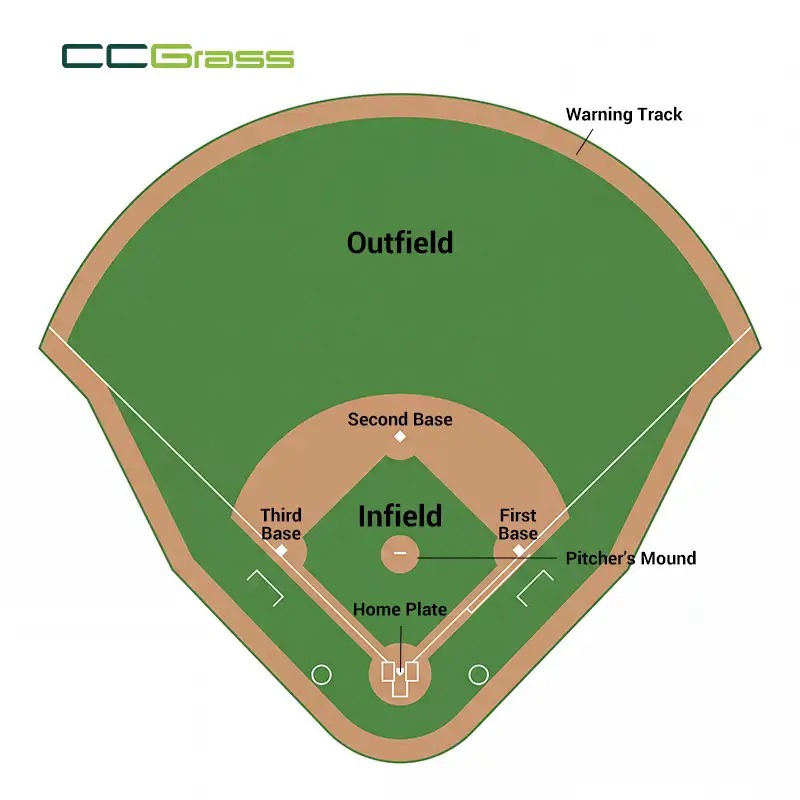
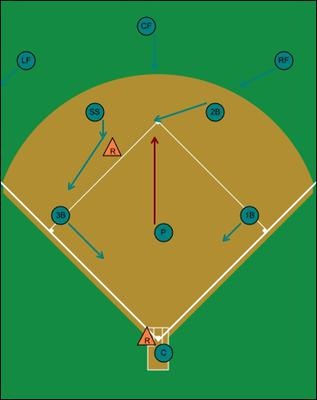
Baseball has two teams that take turns batting and playing defense. The batting team scores runs by advancing around first, second, and third base and returning to home plate. The team with more runs when the game ends wins. The defense records outs, and three outs end a half-inning. On a ground ball to shortstop, a throw to first is an out if the first baseman receives the ball and touches first base before the batter-runner arrives.
Innings, outs, score, and the five numbers to watch
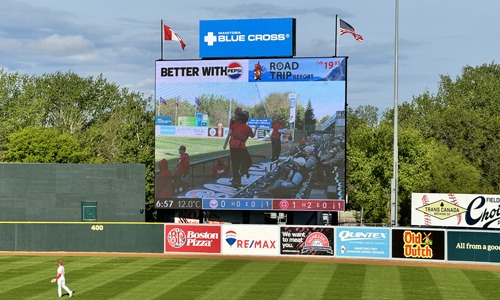
An inning has a top half and a bottom half. The visiting team bats in the top half and the home team bats in the bottom. Each team bats until the defense records three outs.
A standard MLB game is scheduled for nine innings, plus extra innings if needed. Youth leagues and tournaments can have shorter games or time limits.
Take this imaginary scoreboard from an ordinary game:
| Game-state field | Example | Meaning |
|---|---|---|
| Inning | Top of the fourth | Visiting team is batting |
| Outs | 1 | Two more outs end the half-inning |
| Count | 2 balls, 1 strike | The current batter has a 2-1 count |
| Baserunners | Runner on first | First base is occupied |
| Score | Away 2, Home 1 | The visiting team leads by one run |
Now the pitcher throws a ball outside the strike zone, and the batter does not swing. The count moves from 2-1 to 3-1. The outs stay at one, the runner stays at first, and the score stays 2-1.
Balls and strikes track the current batter; outs track the half-inning. A new batter starts a new count, while the outs reset only when the teams change sides. For examples of those resets, see how innings and three outs switch batting teams.
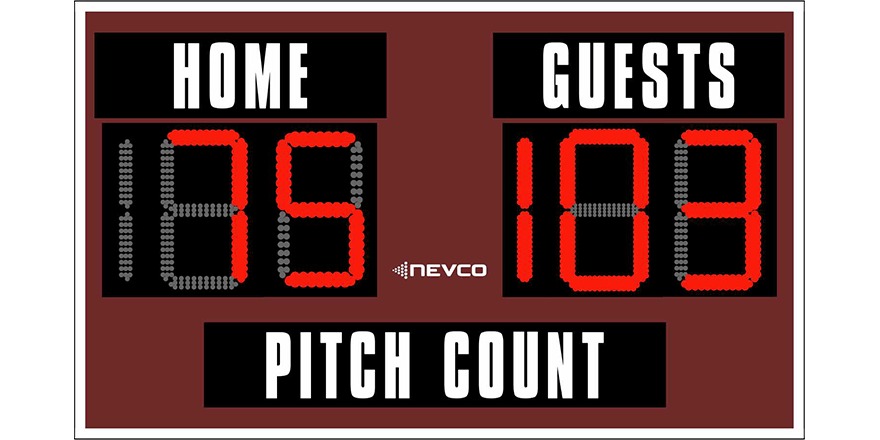
You may also see R, H, and E on a scoreboard: runs, hits, and errors. Runs set the score. Hits and errors add context.
Balls, strikes, fouls, walks, and the third-strike exception
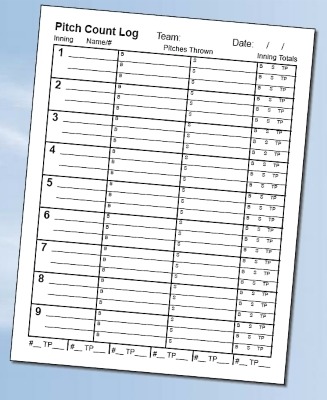
Four balls give the batter a walk to first base. Three strikes make a strikeout.
For a called strike under MLB rules, part of the pitch must pass through the strike zone over home plate. Its vertical boundaries depend on the batter's stance. A batter can get a strike without swinging, and a swing and miss also counts as a strike.
| Pitch outcome | Count effect | Next consequence |
|---|---|---|
| Called strike | Adds one strike | Batter continues unless it is strike three |
| Swing and miss | Adds one strike | Strikeout on strike three |
| Uncaught ordinary foul with two strikes | Remains at two strikes | Another pitch follows |
| Foul bunt with two strikes | Counts as strike three | Batter is out |
| Caught foul tip | Counts as a strike | Can produce strike three; ball remains live under MLB rules |
| Fourth ball | Completes a walk | Batter is awarded first base |
| Uncaught third strike | Strikeout recorded | Batter may attempt to reach first |
A fielder can also retire the batter by catching a foul fly before it touches the ground, whatever the strike count.
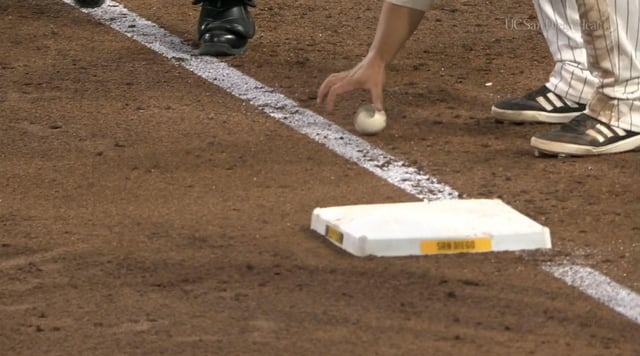
The uncaught third strike is the odd one, because a strikeout and the batter being out are not always the same event. Under MLB rules, if first base is unoccupied, the batter may try to reach first after a third strike the catcher fails to catch. With two outs, the batter may try even when first is occupied. The defense still has to complete a play to retire the batter.
Say the catcher fails to secure strike three while the batter breaks for first. The scoreboard shows a strikeout even as the batter tries to reach base safely.
Fair or foul? First check where the ball goes and whether play is live
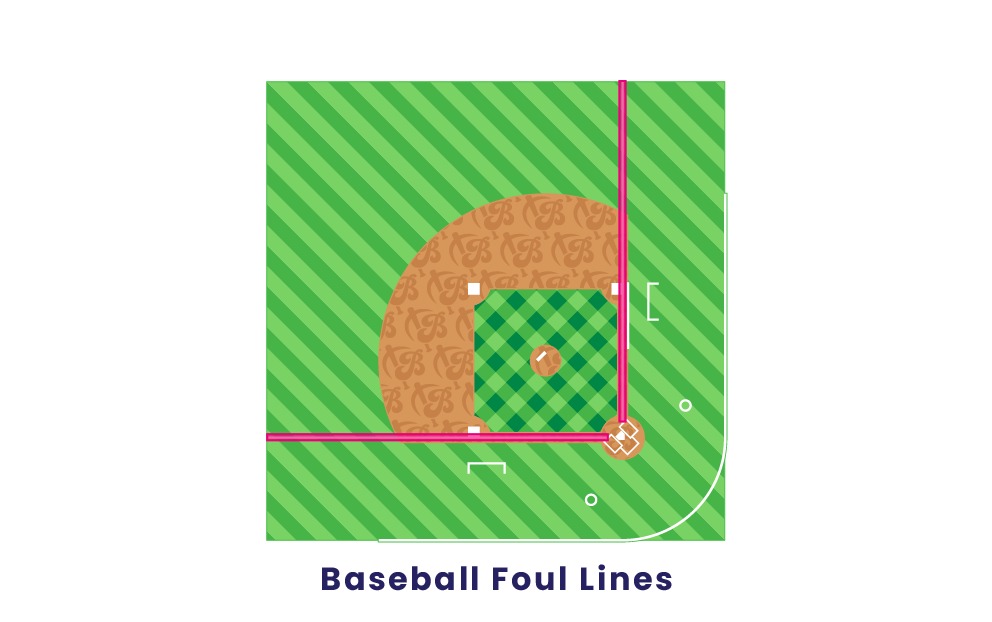
A batted ball that touches home plate is not automatically foul. The call depends on where the ball travels and where it is touched.
The foul lines run from home plate through first and third base. A rolling ball near either line can change course before reaching the base, so the call can turn on where the ball was touched or where it was when it passed the base.
The umpire's dead-ball call matters too. Players react to it, whatever the ball's path was.
One spectator at a youth tournament described a bunt that produced exactly this confusion:
So a couple of innings into the game, the host team is at bat and a player bunts straight down onto the plate and then into fair dirt in front—this should have been a fair ball. But the ump immediately rules the ball dead and calls a foul ball. Runner takes off for first anyway, and the catcher lazily walks up to retrieve the ball thinking the play is over. But then the host team’s coach starts yelling “the plate is fair, the plate is fair”, which is true.
The spectator goes on to describe a conference with the umpires and a signal awarding first base to the batter. The catcher had begun collecting the ball as though the play were over.
The MLB fair-ball definition explains how territory, bases, and contact affect the MLB call. A tournament dispute about a stopped play raises an additional question governed by that event's rules and the actual sequence.
How runners are safe, out, and allowed to score
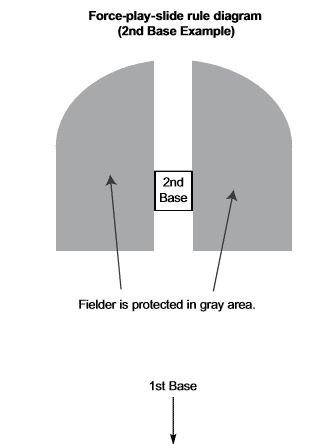
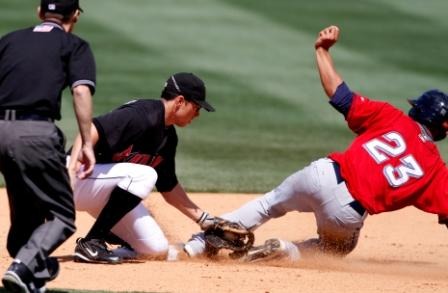
When a batter hits a fair ball, the batter-runner tries to reach first safely, and runners already on base may advance. A fielder can retire a runner with a force play, a tag, or another action the rules define.
A force exists when a runner must advance because the batter has become a runner and the bases behind that runner are occupied. On a force play, a defender holding the ball can retire the forced runner by touching the required base before the runner reaches it. Questions about base runners, force plays, and tag-ups are addressed in ground balls and force plays: when you have to advance.
On a tag play, the defender must touch the runner with the ball, or with the hand or glove securely holding it, while the runner is off a base where the runner is entitled to remain.
| Situation | Out type | Deciding event |
|---|---|---|
| Runner on first, grounder to shortstop, throw to second | Force out | Fielder holds the ball and touches second before the forced runner arrives |
| Unforced runner caught between bases | Tag out | Fielder tags the runner while off the base |
| Fly ball caught before it touches the ground | Caught fly ball | Batter is out when the catch is completed |
A runner's force status can change as other runners are retired or advance safely.
When does a run count?
A runner scores by advancing around the bases and reaching home. With two outs, the type of third out can decide whether an apparent run counts.
Say runners are on first and third with two outs. The batter grounds to shortstop. The runner from third reaches home before the shortstop's throw arrives at second for a force out on the runner from first. The force at second is the third out, so that run does not count.
Take the same situation with a different play. The batter singles to the outfield. The runner from third scores, while the runner from first rounds second and is tagged trying for third after the run has scored. That third out is a timing tag, and the run counts under MLB timing-play rules.
The infield-fly rule has its own conditions. With fewer than two outs, runners on first and second or the bases loaded, and a fair fly ball that an infielder can catch with ordinary effort, the umpire can declare the batter out.
Which rules apply: MLB, Little League, high school, or a tournament?
The rules for a baseball game depend on the organization, division, season, and any adopted competition regulations. Those details matter once a close play needs more than a basic explanation.
| Competition | Governing material | Reason to identify it |
|---|---|---|
| Major League Baseball | MLB Official Baseball Rules | MLB-specific competition provisions and seasonal changes |
| Little League | Little League division rules | Age divisions, pitching restrictions, and competition requirements |
| High-school baseball | Adopted high-school association rules | The code and association requirements |
| Local or independent tournament | Published tournament rules and adopted code | Time limits, formats, and special competition conditions |
The MLB rules glossary gives official explanations for Major League Baseball. Parents and youth coaches can find division-specific material through the Little League rules and regulations portal.
For a particular game, identify the governing organization, the player's division, the season, and any published tournament supplement. An independent tournament may use an adopted code with modifications, so its own regulations decide which exceptions apply.
Little League issued clarifications and rule updates for its 2026 season. Its pitching requirements vary by player age and required rest, so a separate youth-pitching reference helps coaches. For Little League, high school baseball, and MLB, see which baseball rulebook applies to a game.
MLB rules to recognize in 2026
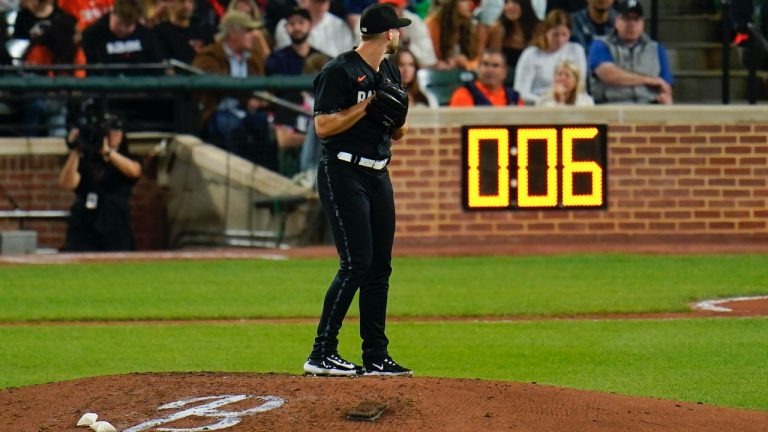
MLB's Automated Ball-Strike (ABS) Challenge System was introduced for the 2026 season. The pitch timer and automatic extra-inning runner came earlier. All three show up in games, and none changes the basic structure of innings, outs, runners, and scoring.
MLB announced the ABS Challenge System on September 23, 2025. Under the 2026 system, an eligible batter, pitcher, or catcher can challenge certain ball-strike calls.
Each team starts with two challenges and keeps a challenge when it succeeds. After a player initiates a challenge, the system reviews the umpire's eligible call. In 2026, ABS was used for games in MLB ballparks. Special games outside those parks were excluded.
The other two rules:
- Pitch timer: MLB introduced a pitch timer in 2023. The rule described for 2026 gives 15 seconds with the bases empty and 18 seconds with runners aboard, after the runners-on limit was reduced in 2024.
- Automatic extra-inning runner: Introduced in 2020 and later made permanent, this regular-season rule places a runner on second base at the start of each extra half-inning. MLB postseason extra innings follow a different arrangement.

During a 2026 MLB broadcast, a catcher might challenge a called pitch and trigger an ABS review. Later, a tied regular-season game going to extra innings can start a half-inning with a runner already at second.
The MLB ABS Challenge System explanation identifies eligible challengers and that season's conditions. Date, competition, and regular-season versus postseason status matter when deciding which special provisions apply.
How to verify a disputed call without guessing
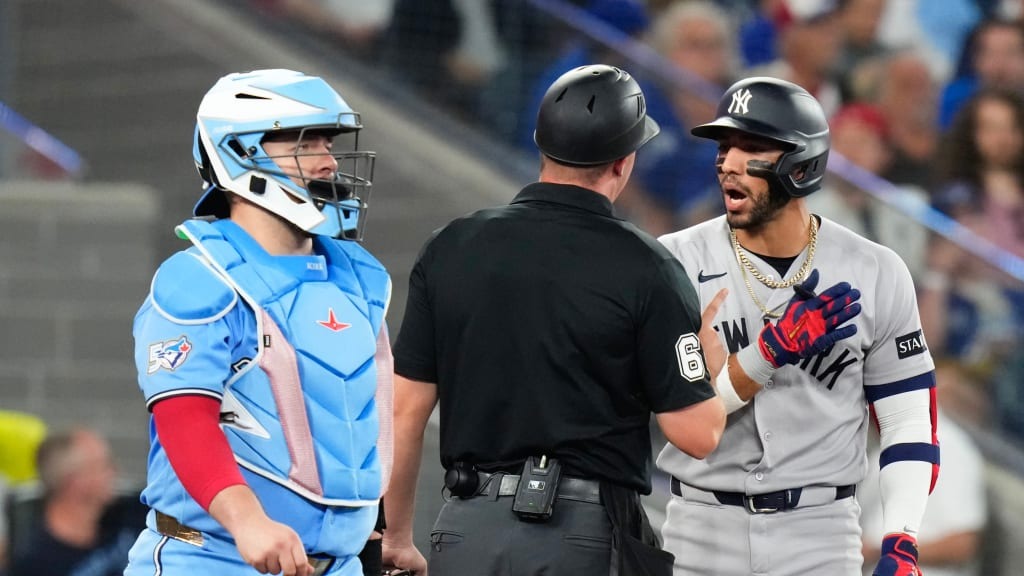
A disputed ruling is easier to understand when you reconstruct the play before consulting the rules. Force outs, fair balls, and obstruction calls turn on both the sequence of events and the code used by the competition.
Record the circumstances of the play, rather than relying on a general recollection:
- Competition: The league or tournament, division, season, and adopted code.
- Game state: The situation before the pitch, as in the scoreboard example.
- Sequence: Where the ball traveled, when fielders touched it, and the order of throws, tags, and runner movements.
- Ball status: Whether play was live or dead, and when any stoppage was signaled.
- Actual ruling: The umpire's call and any explanation or conference that followed.
A rule sets the conditions for an out or a scoring decision. The umpire decides whether those conditions happened, and a secondhand account often leaves the sequence unclear.
Appeals, obstruction, interference, and complicated third-out plays can involve additional provisions. A written sequence helps separate a disagreement about the rule from a disagreement about what happened.
Where to go next: the right detailed baseball guide
- Beginners: a first-game walkthrough that follows one game start to finish.
- Defense: the nine defensive roles, including what the shortstop, catcher, and pitcher do.
- Playing levels: how MLB, high-school, and Little League rules differ.
- Baseball and softball: which rules and formats differ between the sports.
- Youth pitching: pitch counts and mandatory rest by age and division.