 Weather: 614-526-6500

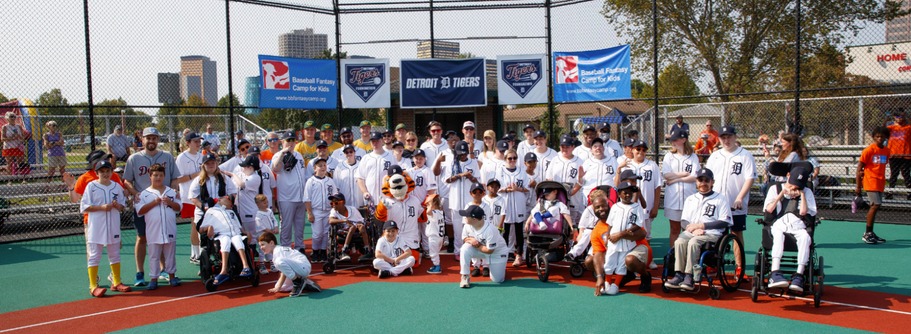
Miracle League is adaptive baseball for children and adults with disabilities. Players bat, field, and travel the bases, often with accessible surfaces and volunteer buddies. In recreational games, modified scoring and out rules give everyone a turn.
What Is Miracle League Baseball?
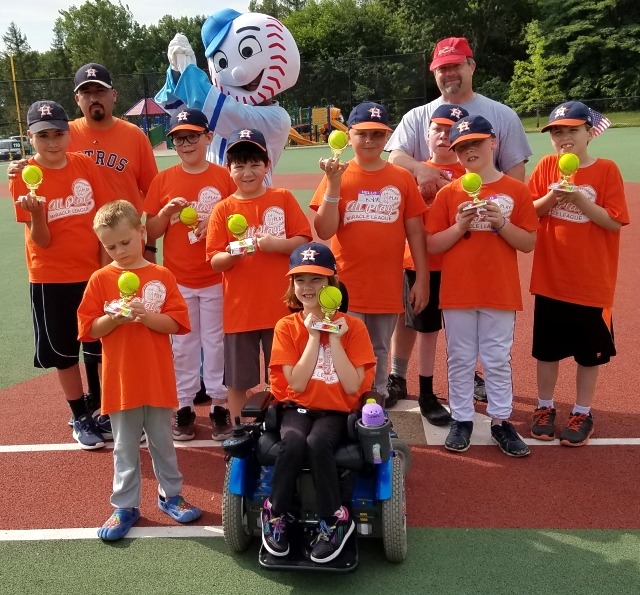
The game still has familiar baseball moments: a player steps up to bat, teammates take the field, and runners head for the bases. What differs is the way a local chapter makes those turns possible.
One player may use a wheelchair to reach first base; another may want help gripping the bat or tracking the ball. A buddy assists with the action the player needs without taking the turn for them.
The national Miracle League organization describes volunteer buddies and specially designed playing surfaces as central to its approach. Local chapters set their own game formats, so rules differ between towns.
How Does a Miracle League Game Work?
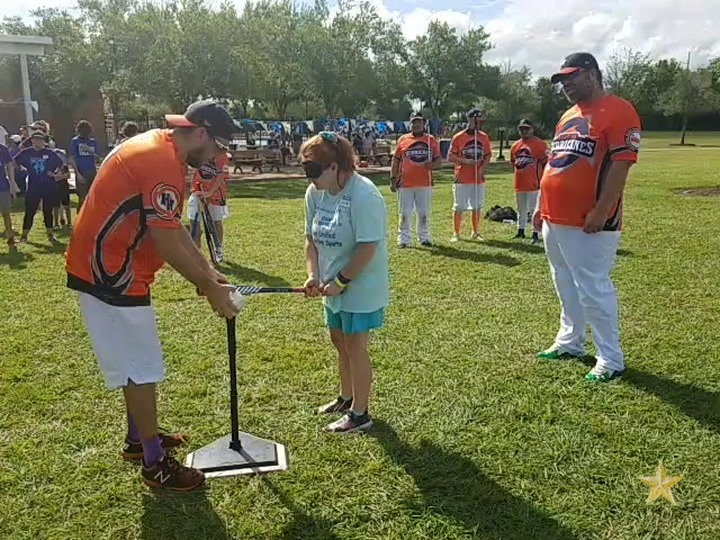
A recreational game keeps the familiar rhythm of teams batting and fielding, but adapts play so everyone gets a real turn. Grand Strand Miracle Leagues in South Carolina describes games of about an hour in which each team bats twice, every player bats and runs the bases, and the game ends in a tie.
A batter hits a pitched ball or uses a batting tee, which holds the ball in place for the swing. An at-bat is a player's turn at the plate, and the dugout is where teammates wait when they are not on the field.
A typical play goes like this:
- Come to the plate. The player gets into position, with help if needed.
- Hit the ball. The player swings at a pitch or a ball on a tee.
- Head toward first base. A buddy walks or rolls alongside, or gives directions.
- Field the ball. Players on the other team retrieve it and return it, with support.
- Switch roles. Teammates take their turns, and the teams swap between batting and fielding according to the local format.
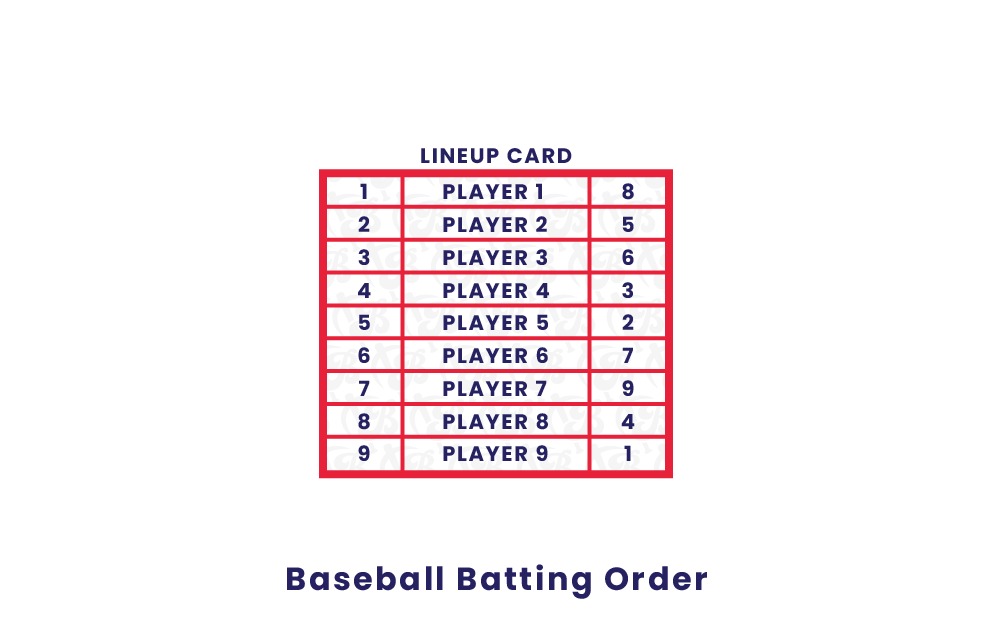
In baseball, an inning gives each team a turn to bat and to field. Miracle League divisions organize those turns and count outs differently, as the examples below show.
What Does a Miracle League Buddy Do?
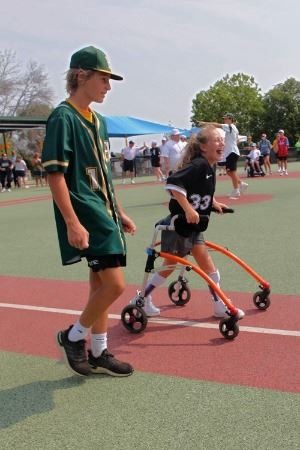
A buddy goes with a Miracle League player and gives the help that player needs to take part. The role combines encouragement, safety and practical help. The Northern Ohio Valley Panhandle league describes it as protecting the player, helping only as needed and encouraging friendship. For more on the role, see what a baseball buddy does.
The work is often ordinary. A buddy may help position a bat, guide a player toward the next base or retrieve a ball alongside a fielder. For a player who moves independently, staying close and offering an encouraging word is enough.
- At home plate: Support the player's chosen way of batting: tee, pitch or help with equipment.
- On the bases: Walk alongside or offer directions without assuming the player needs physical guidance.
- In the field: Help with a fielding action and leave room for what the player can do alone.
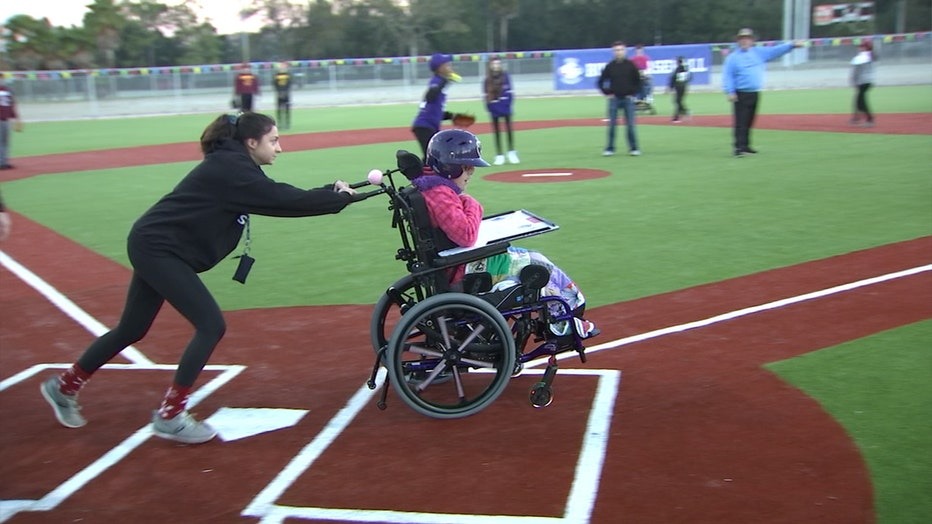
Austin Miracle League also stresses player independence. A player who wants help steering a wheelchair around the bases needs something different from one who just wants a companion nearby, so a buddy asks what help that player welcomes.
Why Are Miracle League Fields Designed Differently?
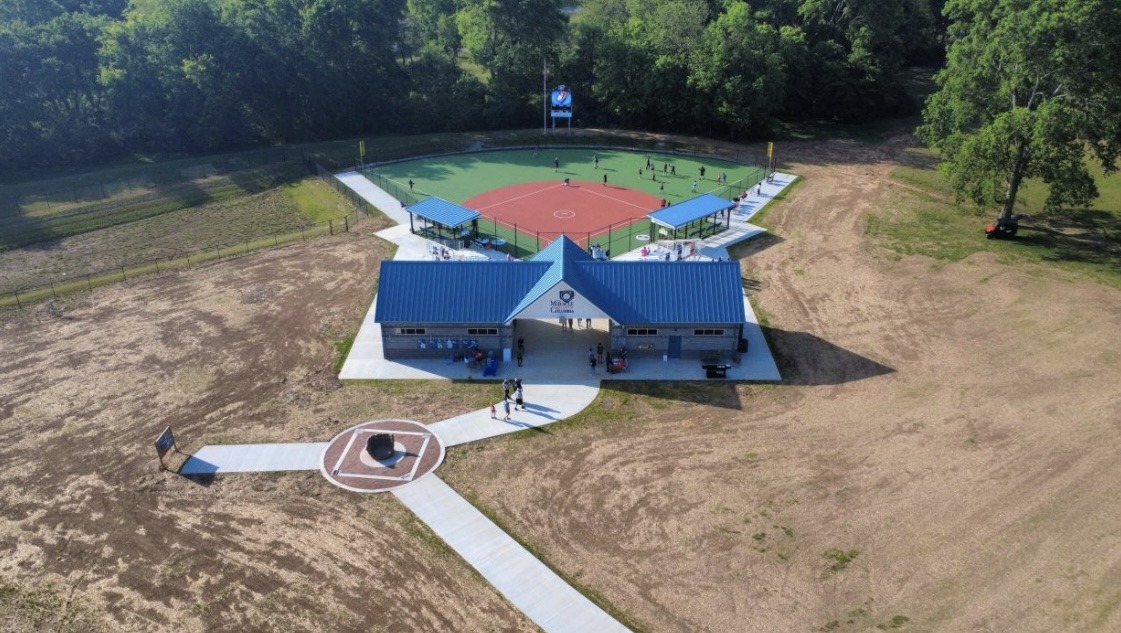
A smooth, level surface makes the game easier for many people who use wheelchairs, walkers or other mobility equipment. Grass, loose dirt and raised bases make a conventional diamond harder to move around on.
The national Miracle League model uses custom rubberized playing surfaces. Its early complex in Conyers, Georgia, also had an accessible dugout and restroom layout.
Grand Strand uses a flat synthetic-turf field with bases painted onto the surface and level dugouts. Painted bases give players visible targets with nothing raised in their path.
In Myrtle Beach, Grand Strand's field was resurfaced in December 2023.
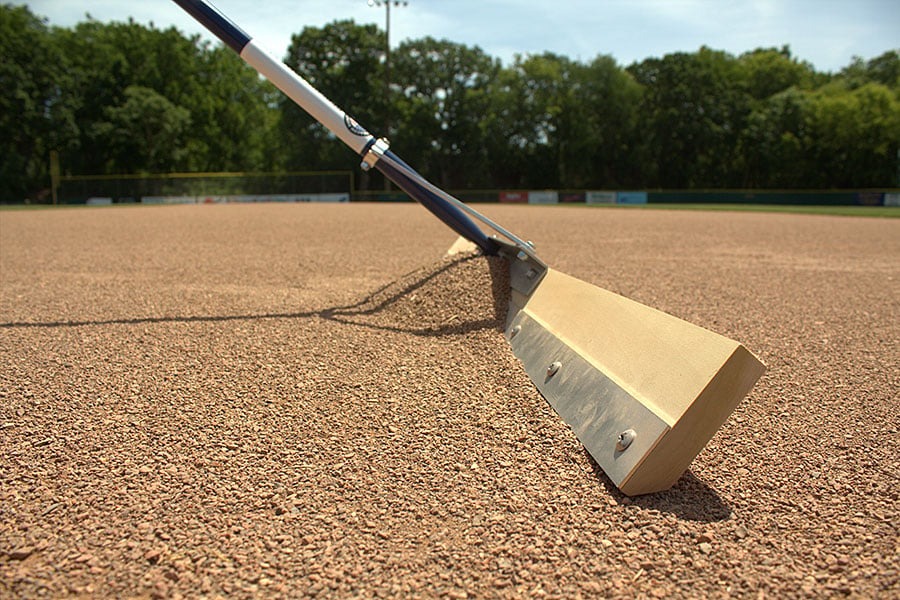
Access also covers the trip to the diamond. A player might handle the field easily but need a level route from the parking area to the dugout, or a nearby accessible restroom. Check that the surface and those routes suit the player's mobility. For more on fields, dugout entrances and parking routes, see how adaptive baseball field designs differ.
Are Miracle League Games Always Noncompetitive?
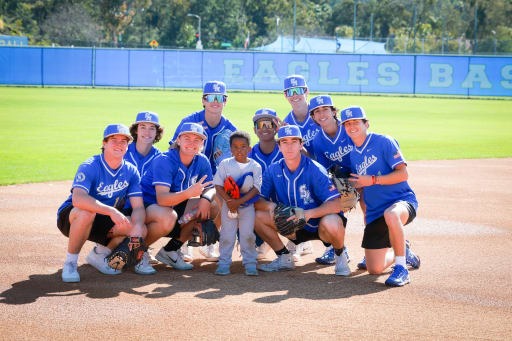
Many recreational games give every player a chance to bat and run the bases. Some local organizations also offer competitive formats that record outs and use run limits. The difference changes how a game moves and when a team's turn at bat ends. To compare Miracle League, Challenger Division and local registration, see how to find a Miracle League near you.
| League or division | Game length or format | Outs and scoring |
|---|---|---|
| Grand Strand recreational games | About one hour; two batting turns per team | Every player bats and rounds the bases; games end tied |
| Austin Miracle League | Two innings; up to one hour | No outs or score recorded |
| Northern Ohio Valley Miracle Division | Recreational play | Every player bats; no outs recorded |
| Northern Ohio Valley competitive format | Competitive innings | Outs are recorded; a half-inning ends after three outs or five runs |
The Northern Ohio Valley league rules and the organization's separate Game Play page give different inning counts.
Players who want a turn at bat without outs fit the recreational format. Those who want recorded outs and more structure fit the competitive one.
Who Can Play Miracle League Baseball, and Is It Free?
Miracle League's national approach includes children and adults with disabilities. Each affiliate sets its own age requirements, registration and costs. These four chapters show the range:
| Local program | Ages | Registration and equipment |
|---|---|---|
| Austin Miracle League, Texas | 4 to 19 | $25 registration fee; shirt and hat supplied |
| Grand Strand Miracle Leagues, South Carolina | 4 and older | Free registration; no previous baseball experience required |
| Panama City Beach, Florida | 3 and older | Registration required; financial assistance available |
| Northern Ohio Valley Miracle Division | At least 5 by the seasonal cutoff | Bats, balls and batting tees supplied |
Adults should ask which local division serves their age group.
Northern Ohio Valley encourages players to bring a glove, and Austin lets them use their own equipment.
How Did Miracle League Baseball Start?
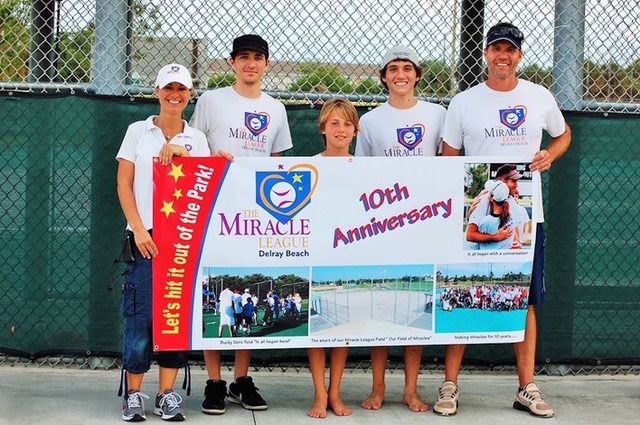
According to The Miracle League's history, the idea began in 1998 when the Rockdale Youth Baseball Association in Georgia invited a child with a disability to participate. In 1999, the adapted league had 35 players on four teams. Groundbreaking for a dedicated accessible field took place on December 31, 1999, and the field opened in Conyers, Georgia, in April 2000.
How Do You Check a Local Miracle League Before Joining?
The national organization's Find a Miracle League page points families and prospective players to its office for information on local leagues. A local coordinator can explain that chapter's registration process and playing calendar.
Get the actual field address, next session date, and visitor registration or orientation requirements before traveling. That avoids arriving at the wrong location or division. For enrollment, the chapter can also explain its age limits, fees, financial assistance, and equipment arrangements.
Some players may prefer conventional baseball with accommodations, or a separate adaptive program such as Little League's Challenger Division. Those programs have their own organizations and rules.
A chapter's playing rules, access arrangements, and support determine whether its version of Miracle League matches the player's preferences. Other formats remain available when they do not.