 Weather: 614-526-6500

Finding adaptive baseball starts with three national routes: Miracle League affiliates, Little League's Challenger Division finder, and the National Beep Baseball Association. These lead to local contacts, not guaranteed openings. A suitable program also needs the right access, support, schedule, and registration availability for the player.
| Looking for | Official starting point | What it provides |
|---|---|---|
| Miracle League baseball | The Miracle League | National-office contact for nearby affiliates |
| Little League Challenger Division | Little League League Finder | Address-based search with a Challenger option |
| Beep baseball | National Beep Baseball Association | Affiliated-team information and outreach |
| Other inclusive baseball | Regional nonprofits and recreation departments | Independent programs and local leads |
If you already know the league's name, skip the broad search and go straight to its current registration details.
Start with the right kind of baseball program
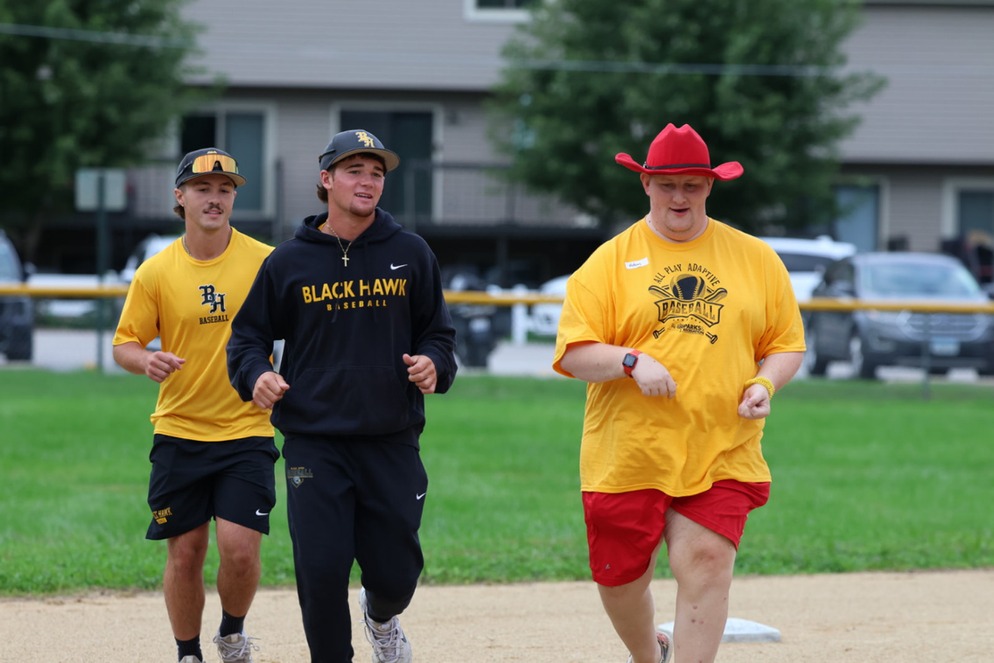
The search terms alone won't tell you whether a local team is accepting players. Choose the directory for the format that interests you, then use the local contact to confirm which division is operating and how to enroll.
Find a Miracle League near you
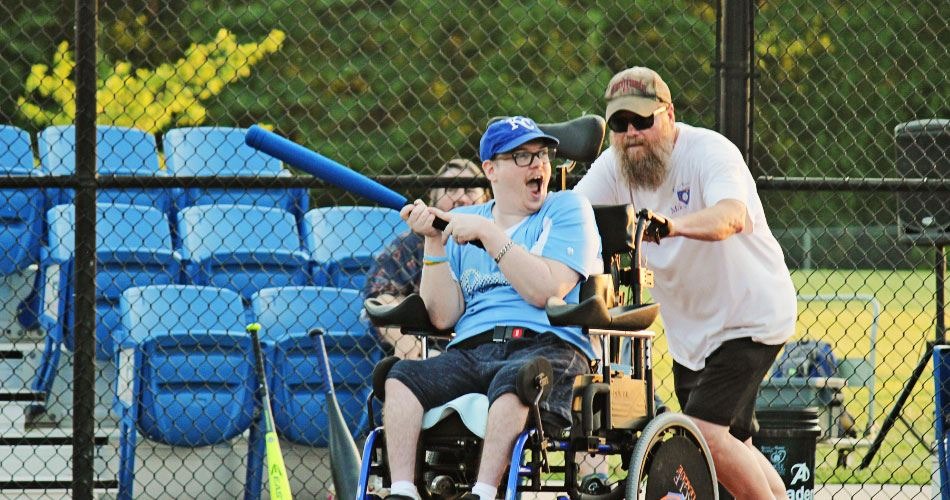
The Miracle League's national “Find a Miracle League” page sends you to its corporate office, which can tell you about the closest affiliate. Use the contact details on that page and give your city and state or ZIP code. Once you have a name, see how to check a local Miracle League before joining.
An initial request can be short: “I'm looking for a Miracle League program near [city, state]. Which local affiliate should I contact?”
The national office points you to an affiliate. Its season, registration and facilities decide what happens next.
Use Little League's Challenger Division finder

Little League's League Finder lets you search for Challenger Division programs near a home or school address. It also asks for the player's birth month and year.
- Choose Challenger Division. Pick it from the baseball, softball and Challenger options.
- Enter the physical address. Type the street, city, state and ZIP code for the home or school.
- Enter the birth information. Add the player's birth month and year. Name and email are optional.
- Check the result. Write down the league name, the distance and any boundary note.
Enter personal details only on Little League's own form. This guide does not collect a child's address or birth date.
The finder's distances and league boundaries are approximate. The local league sets the actual boundary.
Look for a beep baseball team
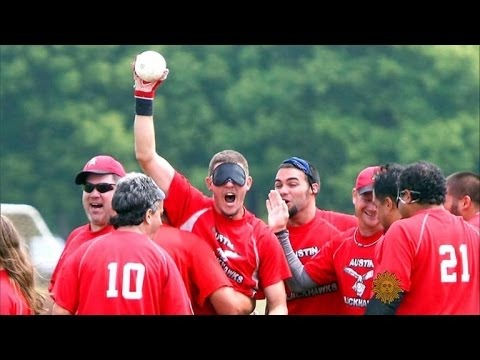
Blind and low-vision players interested in beep baseball can start with the National Beep Baseball Association's Beep Baseball 101 page, which links to affiliated teams and getting-started resources. The NBBA also lists [email protected] for inquiries. Ask each team about participation, practice locations and travel. Being listed doesn't guarantee an open roster spot. For practical guidance on players, NBBA teams and volunteers, see how to find an existing beep baseball team through the NBBA directory.
Check regional organizations and independent programs
Local organizations can turn up programs a national search misses. The Down Syndrome Guild of Dallas has published sports resources naming Angel League Baseball, Buddy League and Miracle League programs, which gives families several local names to try.
The Autism Society Inland Empire maintains a regional baseball resource page. Oriole Advocates describes Challenger baseball relationships involving Little League, Miracle League, schools and community partners in Maryland and Southern Pennsylvania. For questions about Challenger Division, Senior Challenger and age eligibility, see how to find and confirm a Challenger program.
Another option is PONY Champions League, an adaptive baseball and softball program described by PONY Baseball and Softball. Its program guidance lists regional organizational contacts, but it does not supply a verified local player opening for every community.
Check the parks and recreation department or disability-sports nonprofit serving your area for baseball-specific programs. Some adaptive-sports directories cover other sports, so confirm that an entry is a baseball organizer before treating it as a match.
Confirm that a listing is for an active season
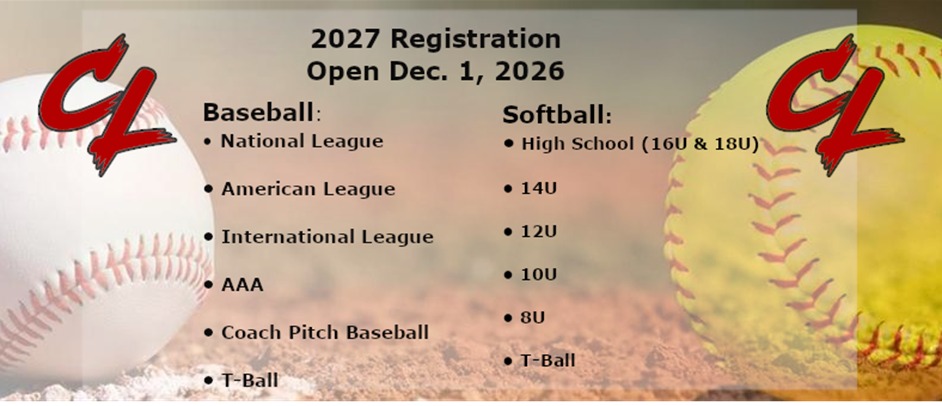
Local program websites often keep old registration information next to newer notices. The Mason Challenger League page has carried details from different seasons, while the Santa Fe Little League Challenger page showed a program description with a registration area reading “No Programs are Currently Displayed.” Not sure which format fits? See which format fits different playing goals.
A Miracle League Los Angeles registration entry listed April 7, 2025 as its registration start and April 12, 2025 as its season start. Those dates describe the 2025 season.

Use the latest program notice and the organizer's reply to sort the opportunity into one of these states:
- Registration open: The organizer confirms you can request a place for the season.
- Full or waitlisted: Capacity or the waitlist policy limits new players for the season.
- Next season unannounced: The program information gives no new enrollment period.
- Archived or unclear: The page refers to an older period or has no current enrollment notice.
- No reply: You haven't heard back yet.
Record the club name, the season, the notice and the organizer's confirmation. An old “no programs” message doesn't mean the program has closed for good.
Ask whether the league will work for the player
A program has to fit the player's age, preferred game, travel and support needs. Before committing, ask the organizer about anything that affects getting there and playing.
| Ask about | What to record |
|---|---|
| Organizer | Club name and contact |
| Field location | Actual address and route |
| Season and schedule | Enrollment status, game and practice times |
| Age and division | Division, age conditions and local boundaries |
| Playing format | Game structure and adaptations |
| Field access | Entrance, surface, parking, restroom or communication access |
| Assistance | Buddy support, caregiver role and player preferences |
| Cost and equipment | Fees, supplied gear, loaners and financial assistance |
Check the Challenger age conditions
Little League's standard Challenger Division covers ages 4 to 18. A school-enrolled player ages 19 to 22 can remain in the standard division when the local league does not offer Senior Challenger, and Little League also describes a waiver route for certain exceptions. Senior Challenger serves eligible players ages 15 and older with no upper age limit. The local league decides which division and procedures apply.
Little League also says local Challenger programs set their own registration fees, and that inability to pay can't be a reason to deny a player. Ask the program how its assistance process works.
Discuss assistance and independence
Little League describes buddies helping with batting, running bases and defense as needed. Ask the organizer what help the player wants, whether a caregiver can join an introductory visit, and what the club can provide.
A player might need help getting to a base but want to bat independently. A family might want a familiar adult nearby for the first session. Ask these as plain questions about the program.
“Hello, I'm looking for adaptive baseball near [city, state]. Is registration available for [season]? Which ages and locations do you serve, and who can explain the field access, caregiver or buddy arrangements, game times, equipment and fees? Could we arrange an introductory visit if your program offers one?”
What to do if no suitable program appears nearby
If no listing looks workable, name the obstacle—distance, access, format, or roster availability—before searching more widely. The questions to ask before committing to a visit help distinguish a travel problem from a facility problem.
| What happened | Next useful route |
|---|---|
| The finder could not recognize an address | Use its error and support route |
| No Challenger program appeared | Try another program channel or a regional organization |
| Enrollment is full or the season ended | Ask for the waitlist or next-season contact |
| The nearest league is too far away | Try a closer local recreation program |
| Access or available help will not work | Discuss accommodations or try a different program |
| A listed contact does not answer | Ask the governing organization or regional network for another contact |
When a preferred adaptive format isn't available, community baseball with reasonable accommodations is another option if the player wants that experience.