
 Weather: 614-526-6500

Good youth coaching combines a clear skill goal with safe, supervised activity that every player can attempt. The drills should fit the league's requirements, the adults available, and the players actually present. When supervision, safety, or participation breaks down, change the setup rather than pushing through the plan.
A coach can understand baseball and still struggle with twelve children arriving at once. One catches every throw, another has never used a glove, a third wants to hit immediately, and someone else would rather watch first.
Start by deciding what a good youth baseball practice must accomplish
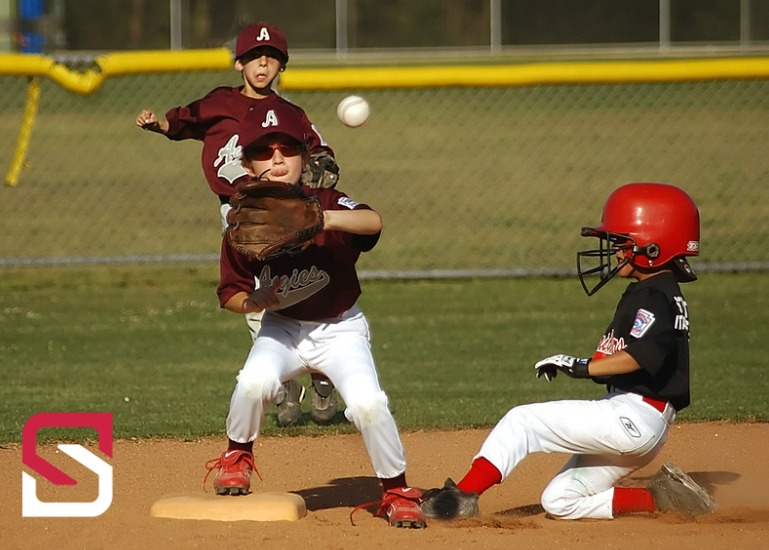
A useful recreational session gives players chances to participate and improve while keeping the activity under control.
One volunteer described the problem this way:
I’m looking for some tips from other coaches on good drills or any advice you have for this season. I’m new to this, have some baseball experience but am a little nervous about running my first practice. Signed up because they needed coaches badly. And my son asked me to coach his team. I know a big part is getting the kids to have fun and enjoy it, I’m just wanting help from anyone who has done this many times and can give some solid advice on what they would do on the very first practice.
One teachable skill gives the session its shape. Beginners might receive a soft toss and return it under control; experienced players can try the same fundamental while moving or aiming more precisely. The variation changes, but the goal stays recognizable.
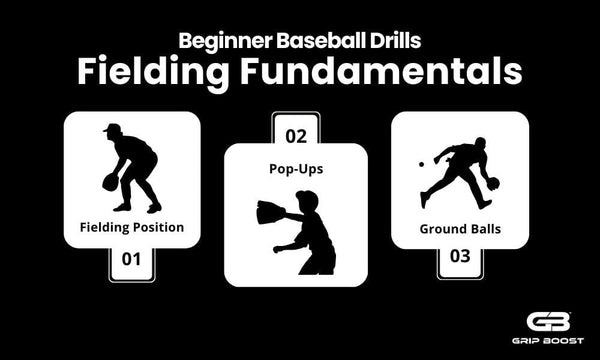
Roles differ too. The head coach runs the session and keeps track of the whole team. An approved assistant can lead an assigned activity. A parent volunteer works within the responsibilities the league authorizes. In a Challenger or Miracle League setting, a buddy can give one-on-one help under that program's guidance and the player's preferences.
For each player, pick one thing to look for: catching a ball, making a throw, swinging at one, choosing a challenge, or telling you they're ready to join. A try counts even when the ball misses its target.
Little League publishes a 12-week Coach Pitch program with organized practice ideas. It gives volunteer coaches in the relevant division a useful sequence of skills.
Verify the league, adult roles, and safety rules before the team arrives

Your league's requirements decide who may supervise players, what equipment and activities are allowed, and how concerns get handled.
Volunteer eligibility is an administrative requirement, not an optional coaching preference. Under Little League's volunteer application process, covered volunteers, including practice coaches, must complete the annual application, background screening, and abuse-awareness training and receive approval before serving. Other organizations set their own requirements.
A parent can supervise a practice station on their own once the league has authorized that role.
Imagine three adults arriving when only the head coach has been approved. That leaves one authorized station supervisor until the others complete the necessary process. For adult coverage and practice-space limits, see how many supervised stations can you run.
The pre-practice check covers five essentials.
| Requirement | What to establish | Responsible person |
|---|---|---|
| League and division rules | Rules, activities, equipment, and coach requirements | Head coach or league representative |
| Approved adults | Names, authorization, assigned duties, and supervision coverage | Head coach and league |
| Field and equipment | Batting boundaries, player movement, helmets, and usable space | Assigned coaching staff |
| Family communication | Contact method, roster information, and emergency-contact access, kept within the team's authorized channels | Designated coach or team administrator |
| Incident response | Whom to notify, and which reporting or emergency procedure applies | Head coach and league representative |
Safeguarding shapes ordinary coaching too. The U.S. Center for SafeSport's guidance for parent coaches recommends public adult-minor interactions and bringing in another adult for one-to-one communication. Its separate MAAPP materials use observable-and-interruptible standards; formal obligations depend on the governing organization's policies.
Learn what each player can do before deciding where they belong
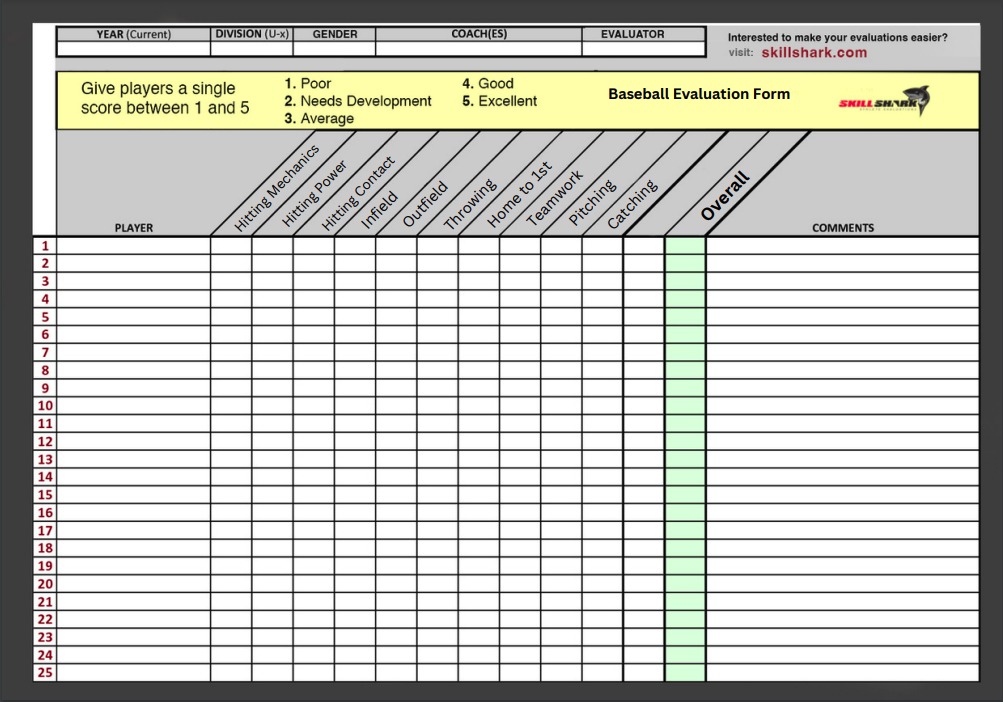
What you can see, plus what the player and family say helps, tells you where to start. One difficult catch or distracted moment is a reason to learn more about the situation.
At an early practice, give children simple chances to show how familiar they are with the equipment and movements.
- Handle the glove and ball. Some beginners already know where the glove goes and how to take a gentle toss. Others are learning it for the first time.
- Respond to an easy throw. Watch whether they track the ball, whether the throw feels comfortable, and whether the drill needs closer supervision.
- Follow a short instruction. A demonstration, gesture, or individual cue can show a player what comes next.
- Show comfort or uncertainty. Notice whether a child asks for help, wants another try, watches before joining, or signals a need for a pause.
A player who struggles with a particular throw may do fine from closer with a slower delivery. That lets you see the skill under different conditions.
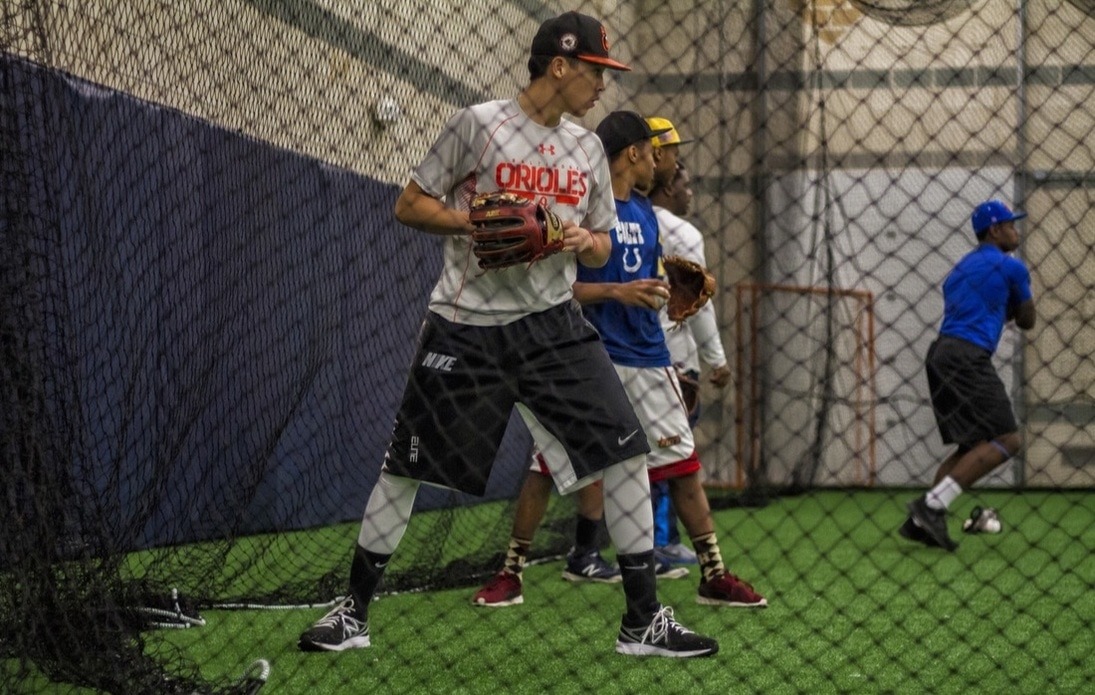
Keep a player out of a particular fielding drill when ball speed, attention to incoming play, or available supervision creates an immediate safety concern. Base that call on what you see, and revisit it after the player has had a chance to practice under safe conditions.
A disclosed diagnosis doesn't tell you which positions a child can learn. Parents can explain which cues, routines, or kinds of help work for their child, and you don't need to ask for a diagnosis.
Little League's Challenger buddy-training materials prepare helpers for their roles, and its Challenger program guidance encourages individual skill goals and adjusting buddy help as players develop. Those principles carry over to a recreational player, within that team's own rules. For practical guidance on pitchers, pitch counts, and required rest days, consult which youth baseball pitching rules apply to your game.
For example, a helper can explain where the player should stand, demonstrate a movement, or give agreed help while the player makes the throw.
Build only as many practice stations as you can supervise
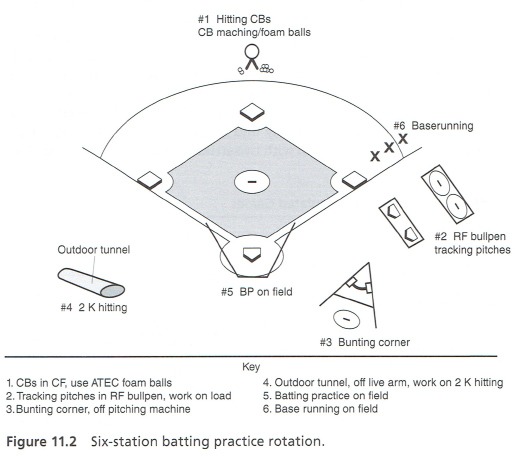
Your adult supervision, field layout, equipment, and the players' ability to move between activities set the number of stations.
A plan with three simultaneous drills looks efficient on paper. On a field with one approved coach, overlapping batting and throwing can create problems the schedule never accounts for. For first-time players, batting stations, and fielding drills, see the 60-minute first baseball practice plan.
Start from the number of approved adults you have.
| Available approved supervisors | Possible practice organization | Condition that changes the plan |
|---|---|---|
| One | One supervised group working through activities together | Simplify or pause when you can't monitor simultaneous tasks safely |
| Two | Two separate supervised activities | Combine groups if sightlines, batting hazards, or transitions are unsafe |
| Three or more | Several staffed stations with planned group movement | Cut the number when spacing, equipment, or player readiness can't support them |
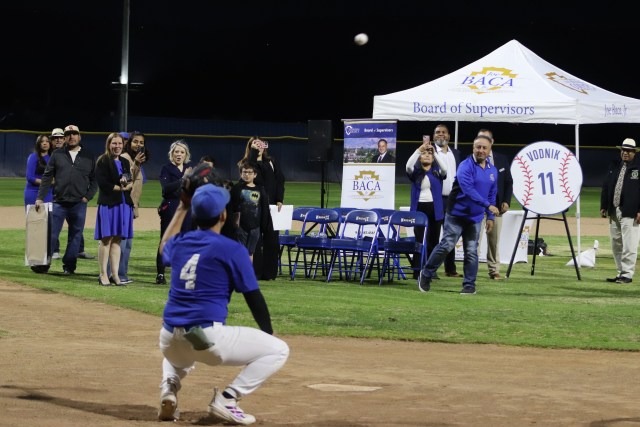
With one approved coach, spare balls, and no suitable backstop, a single throwing-and-receiving activity is more manageable than several live drills. The group can regroup for batting after the coach establishes a controlled hitting area.
Idle time matters too. Kids waiting in a long line lose track of the task or drift toward activity elsewhere. Plan water breaks and rest on purpose, and keep unmanaged waiting low.
Give waiting kids a job: where to stand, what to watch, what to do when called. Keep those jobs within the supervision you have. A staffed activity still needs suitable boundaries and clear sightlines.
Adapt the challenge while keeping the baseball skill recognizable
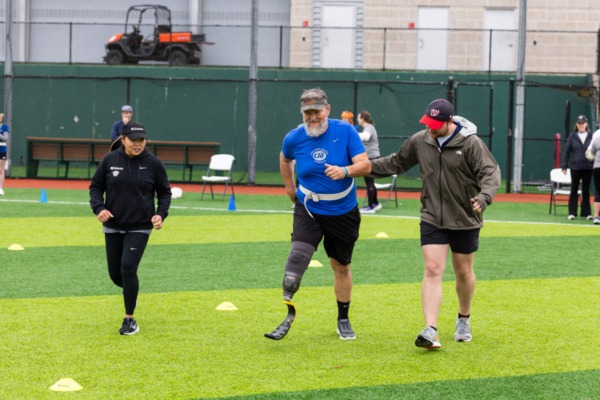
Players can work on the same fundamental without doing identical tasks. A good adaptation changes the difficulty but keeps a real part of the baseball action. For mixed-ability players, coaches, and adjustable drills, review one adjustable baseball drill with three variations.
Take throwing and receiving. The shared goal is to send a ball toward a partner or target and get ready to catch the return.
One player might start with a gentle toss from a short, supervised distance. Another works at a distance that matches their current level. A player ready for more can practice receiving while moving into position.
| Shared skill | Easier starting condition | Developing challenge | Optional greater challenge |
|---|---|---|---|
| Throwing and receiving | Gentle delivery from a closer supervised position | Controlled exchange with a partner | Add movement or a more demanding target |
| Fielding | Slowly delivered ground ball with clear positioning | Field a controlled ball and return it | Move toward the ball before fielding and throwing |
| Batting | Supported tee contact | Independent tee contact or a coach-assisted delivery | A harder contact task within league rules and safe boundaries |
Change one variable at a time so you can see what matters. Moving a target closer while keeping the task the same shows whether distance affected the attempt.
Instructions work the same way. Some players respond right away to a spoken cue. Others do better when they see the movement demonstrated or the task is split into smaller steps.
A player may also prefer less hands-on help. Offer one form of help, watch the response, and adjust within the activity's safety requirements.
In a Challenger or Miracle League setting, help should reflect the athlete's goals and preferences, and the player keeps a real role in the play whenever circumstances permit.
For a mixed-experience team, three safe versions of one skill can provide enough variety. The one a player handles comfortably becomes the basis for the next challenge.
Give the dugout a routine before it becomes a problem
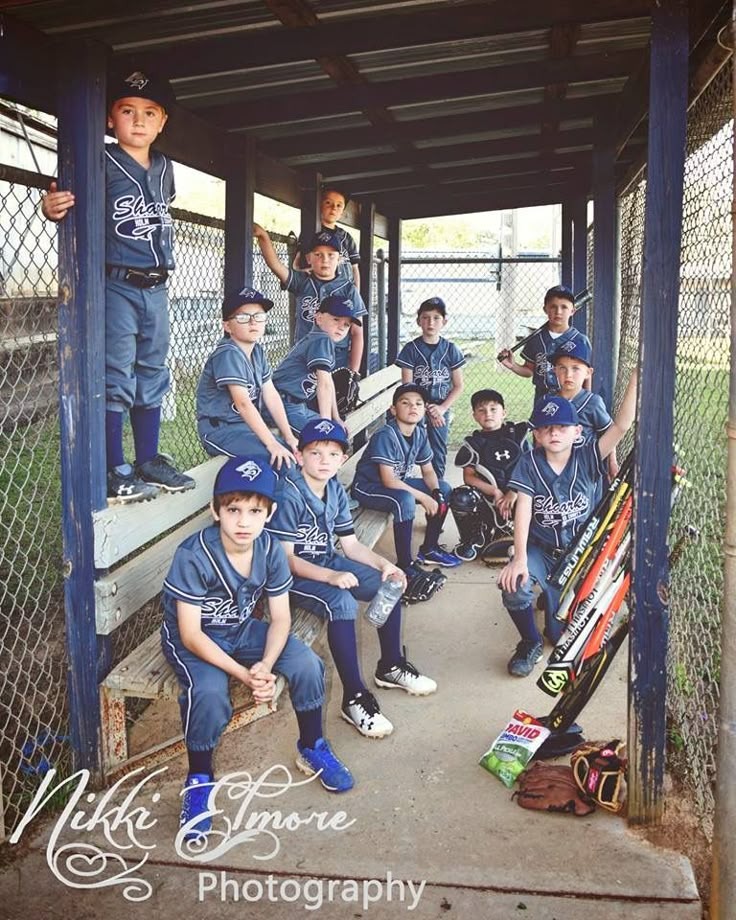
The dugout needs a predictable turn order, clear behavior expectations, and, when the team format requires it, an adult in charge.
A coach busy with active play can miss trouble building among the kids waiting to bat.
One parent-coach described a game involving a 7U team:
I am the HC of my son’s 7U team with 12 players. This is my second season coaching. I really enjoy coaching but it can be a bit challenging at times. I have noticed some players exhibiting some really high energy on the team. These players tend to not follow instructions particularly well when we are batting. I have been coaching 1B and I can tell the dugout is quite chaotic from my vantage point even with two parents. The kids will not stay in their batting order in the dugout, they will play tag and do other goofing off the involved contact or just verbally saying stuff. Some of the above things lead into feelings being hurt or kids being annoyed with one another. I had a game today that led 2 kids in meltdowns due to what another kid said about their performance.
The problem has several parts: keeping the batting order clear, preventing unsafe contact, handling comments about teammates, and supervising children away from the action.
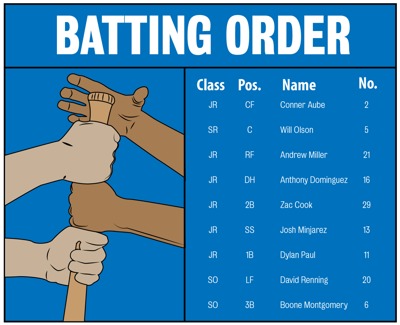
Explain the waiting position, turn order, and signal for the next batter. A visible sequence prevents confusion while the active player swings.
Set the behavior rules in concrete terms. Hands stay safe. Teammates are treated respectfully. A strikeout or mistake is no invitation for personal comments.
If a child starts pushing or making hurtful remarks, step in promptly and calmly. State the expectation and send the child back to a supervised activity.
When the team format requires it, put a responsible adult on the dugout or transition area. A coach watching base running or live batting can't also monitor a waiting area out of sight.
Before live hitting begins, rehearse one changeover with a visible batting-order cue, and name the adult who covers it.
When a young player hesitates, cries, or doesn't want to join
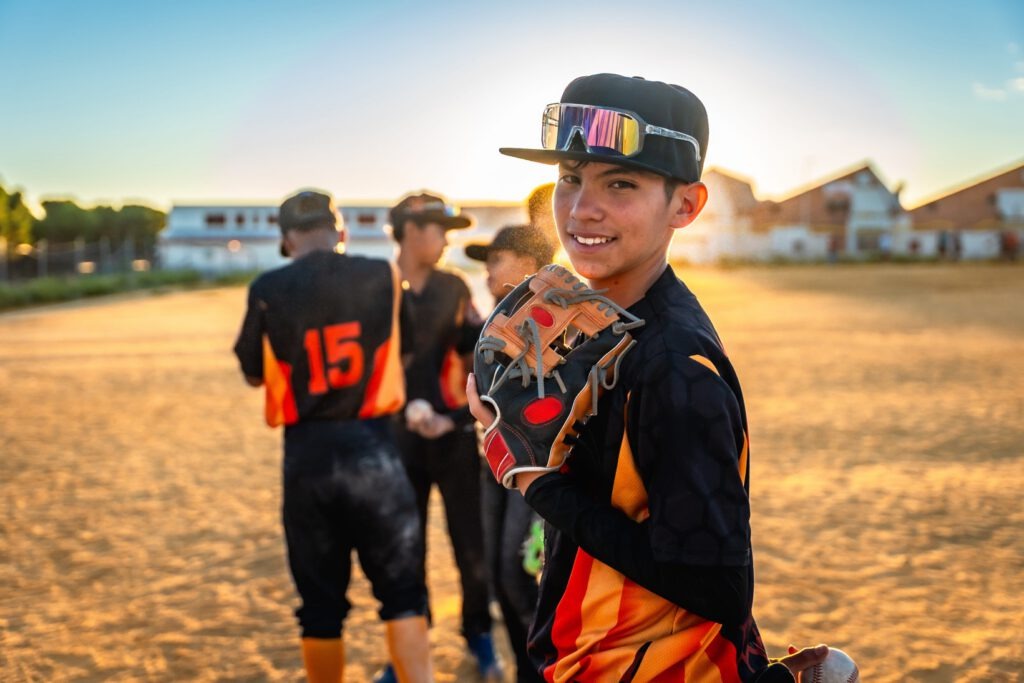
A hesitant child may need a smaller invitation, time to watch, or a supervised break before joining. Respond to the player's comfort, preferences, and safety.
A parent of a young Little League player described three different experiences:
Today was our third practice. First practice he cried and didn’t participate. Dad is assistant coach for the team and he kept trying to pull dad away. Dad was trying to comfort him but that didn’t seem to help. Second practice a team parent came up and talked to our kiddo, complimenting his glove and his bat. That seemed to help break him of his whining spell. He participated, talked what he could to the other kids and had a great time. Now tonight was his third practice and it was the first experience all over again. Dad had him sit on the bench and he was told of he wasn’t going to participate he needed to sit out, when he was ready he could come hang out.
You can respond to what's happening now without treating either afternoon as a measure of the player's ability.
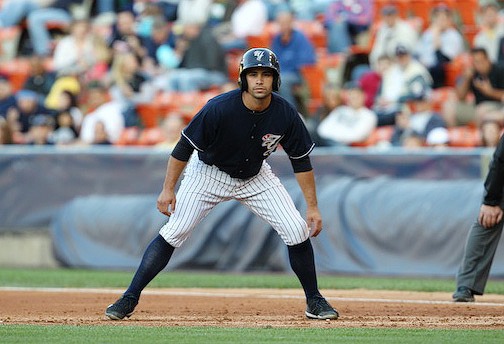
If a child is watching from the edge of an activity, offer a low-pressure invitation that leaves the choice to them.
A player might help choose the ball, show how to position a glove, or take one supported turn if they want to. Watching for a while is fine while the group carries on under supervision.
If the player declines, arrange a supervised break or an alternative with the caregiver and staff. A player who isn't practicing still needs safe supervision.
A brief, private talk with the player and a caregiver can show what support is welcome. Familiar routines, a clear demonstration, or an easier first step often help.
Watch how the child responds. They may join at the next invitation, watch longer, or stay uncomfortable that day.
Know when to modify a drill, stop play, or escalate a concern

A difficult drill calls for a coaching adjustment. An immediate hazard, suspected injury, or safeguarding concern calls for stopping the activity and following the response procedure.
| Situation | Coaching response | What happens next |
|---|---|---|
| Players are supervised, safe, and getting real attempts | Continue | Keep the activity going and watch how players learn |
| The task is too difficult, waiting is excessive, or the station setup is becoming unmanageable | Modify | Simplify the challenge, reorganize the group, or reduce simultaneous activity |
| Batting or ball movement creates an immediate hazard, supervision is absent, injury is suspected, or a safeguarding concern requires action | Stop and escalate as appropriate | Secure the activity and follow the relevant league, emergency, medical, or reporting procedure |
Picture two nearby batting activities sending balls toward each other. You stop play, restore safe separation, and reorganize before anyone resumes.
A child missing several catches under otherwise safe conditions is a different problem. Reduce the challenge or give more help.

Suspected concussion
The CDC HEADS UP guidance directs coaches to remove an athlete immediately when a concussion is suspected.
After removal, check for concussion danger signs. If any are present, seek emergency-department care immediately. The athlete must not return to sport on the same day and needs healthcare-provider clearance before returning under the applicable guidance.
Safeguarding and adult-minor concerns
Under Little League's Child Protection Program, volunteers must report suspected child abuse to the appropriate child protection agency or law enforcement within 24 hours and follow the program's additional league-notification requirements. If a child is in immediate serious danger, call emergency services. Coaches in other organizations must follow their applicable reporting laws and organizational procedures.
Review each practice by what players learned
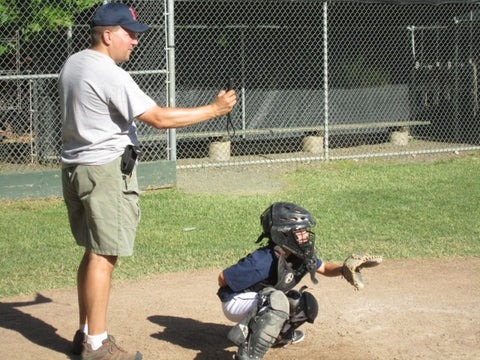
After practice, identify who got a meaningful attempt or choice, where waiting or safety became a problem, and one change for the next session. Record an observable step for each player—a controlled first throw, for example, or a cue that helped them take a turn.
For more detailed approaches, the mixed-ability coaching guide covers communication and activity adjustments, while the practice-station planning guide works through group rotation.