 Weather: 614-526-6500

A good youth program matches the child's interests, experience, and the family's schedule. Community recreational baseball often offers an approachable first season; travel and select teams offer more competition and a larger commitment. Compare actual eligibility, access, coaching, and costs before registering rather than judging by the label alone.
Which kind of youth baseball is a good starting point?
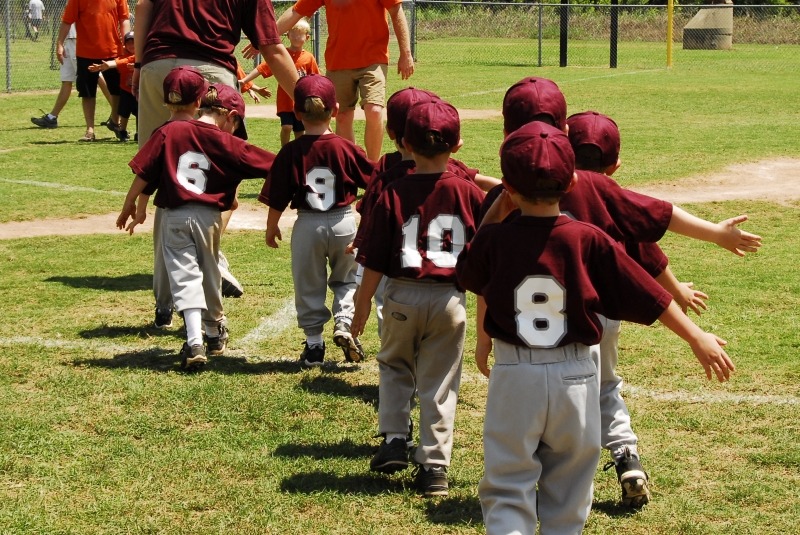
One beginner may love hitting from a tee and learning alongside friends. A returning player may want tougher opponents or more games. That difference is a better starting point for a family conversation than the prestige of a team's name.
Where can children play baseball in the United States?
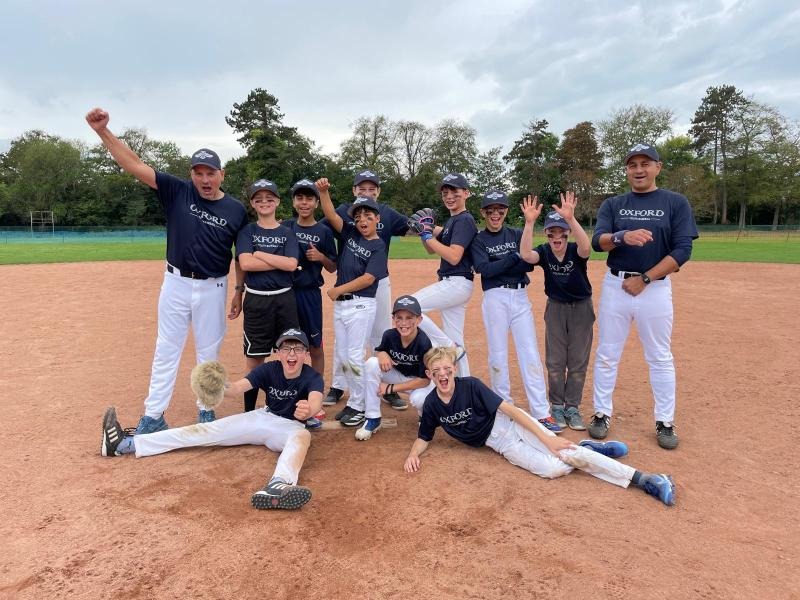
Little League International has its own baseball divisions, eligibility procedures, and playing rules. PONY Baseball and Cal Ripken Baseball, which operates within Babe Ruth League, are separate youth-baseball systems. Town recreation departments and community organizations also organize teams, sometimes independently of those affiliations.
Rec ball means a community recreational league. Travel or select ball means teams that select players, play tournaments, and ask for extra commitments. Either type can run under any of these organizations.
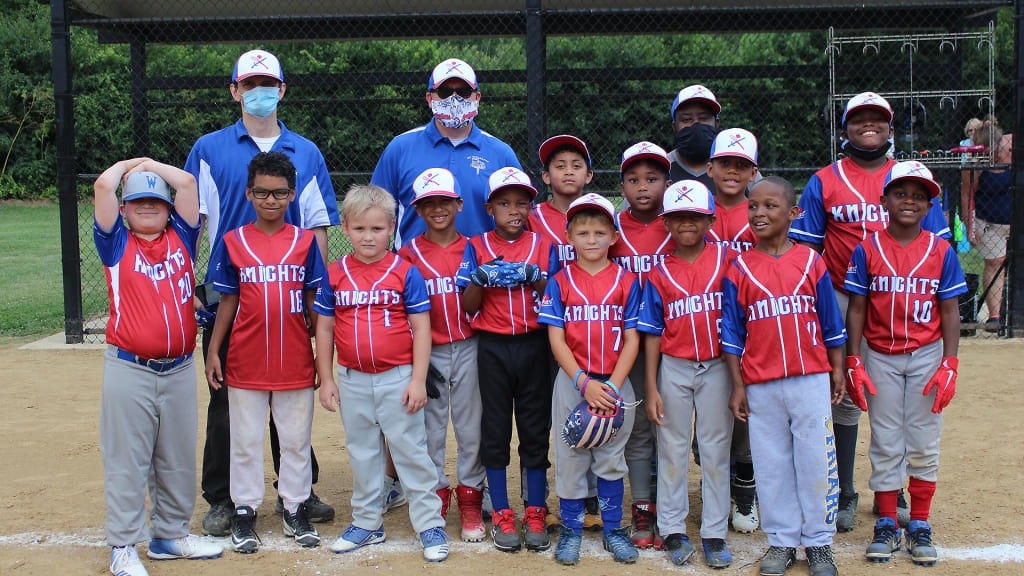
No single age or registration system covers every youth baseball organization. Check the team's registration materials to see who runs it, then apply that organization's eligibility and equipment rules.
Can girls play youth baseball?Yes. Girls play youth baseball, including Little League Baseball, under each program's eligibility and registration rules.
What age and division can your child play in?
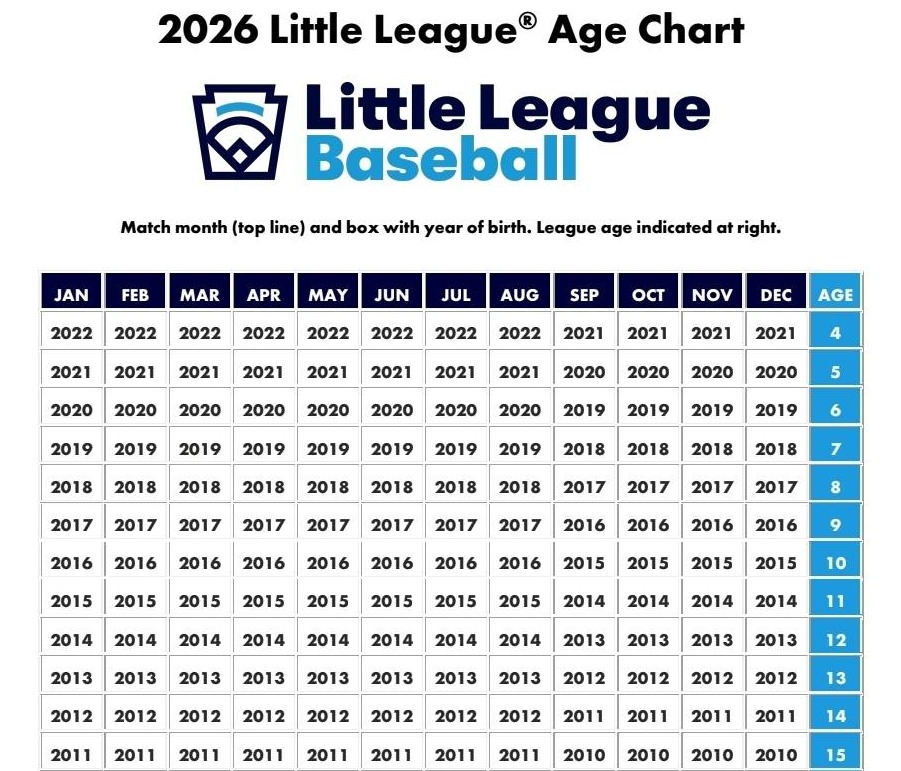
Little League Baseball uses a player's league age, generally the age the child reaches on August 31 of the playing year. The organization publishes annual age charts, including charts for the 2026 and 2027 seasons.
Its published baseball divisions overlap substantially:
| Little League division | Published age range |
|---|---|
| Tee Ball | 4 to 7 |
| Minor League | 5 to 12 |
| Little League (Majors) | 9 to 12 |
| Intermediate (50/70) | 11 to 13 |
| Junior League | 12 to 14 |
| Senior League | 13 to 16 |
Because the ranges overlap, your child can fit more than one division. The local league decides which divisions it offers and how it places eligible players.
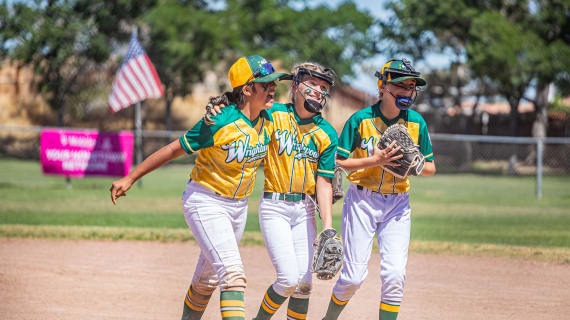
Little League's age guidance adds a condition for the youngest Minor League players: children league age 5 or 6 may enter coach-pitch or machine-pitch Minors after a Tee Ball season, at local league discretion. For this exception alongside the other divisions, see Little League division age ranges.
The Little League age determination resource gives the playing-year calculation. Enter your child's date of birth for the intended season, then compare the result with the divisions your league offers.
These age rules belong to Little League Baseball. Other organizations may use different cutoff dates and placement procedures.
What does Intermediate (50/70) mean?The Intermediate Little League division uses a 50-foot pitching distance and 70-foot bases. Junior and Senior League use a pitching distance of 60 feet, 6 inches, and 90-foot bases.
How do tee ball, coach pitch, machine pitch and player pitch differ?
The pitching format changes what a young batter must do and how the game unfolds. For a first-year player, it tells you more about the experience than the division name does.
| Format | How batting works | Key experience | Local rule to understand |
|---|---|---|---|
| Tee ball | The ball rests on a batting tee | Contact, base running, and field awareness | Turns at bat and inning structure |
| Coach pitch | An adult delivers pitches | Timing a moving ball | Pitch allowance and missed-ball outcomes |
| Machine pitch | A machine delivers pitches | Hitting a ball a machine throws | Machine setup and local game rules |
| Player pitch | A child pitches to the batter | Batting and pitching responsibilities | Pitch counts, rest, and game rules |
Little League allows coach, machine, and player pitching within its Minor League structure.
A volunteer coach of five- and six-year-olds ran into a disagreement over how many chances kids get to hit a pitched ball:
I’m coaching my sons Little League team. We consist of 5 and 6 year olds. It is a coach pitch division. 7 of my 8 players played 1 season of t-ball and the other player has never played before. For our first few games I was giving the players 6-7 swings and then putting it on a tee if they didn’t put the ball in play. Last night I was directed that our league wants 5-6 pitches and if they don’t put the ball in play then they just walk back to the dugout because they are out. I feel strongly that the ball needs to be put in play as often as possible. Not just for the batters sake but for the 5 year olds in the field that have no attention span.
The coach gave 6 or 7 swings, then moved the batter to a tee if the ball stayed out of play. The league wanted 5 or 6 pitches, then an out. Rules like these decide how often young batters put the ball in play and how long fielders stay involved. Each local division picks its format, so ask for its playing rules, especially on missed pitches, batting turns, and how innings end.
How do you find a local league and confirm eligibility?
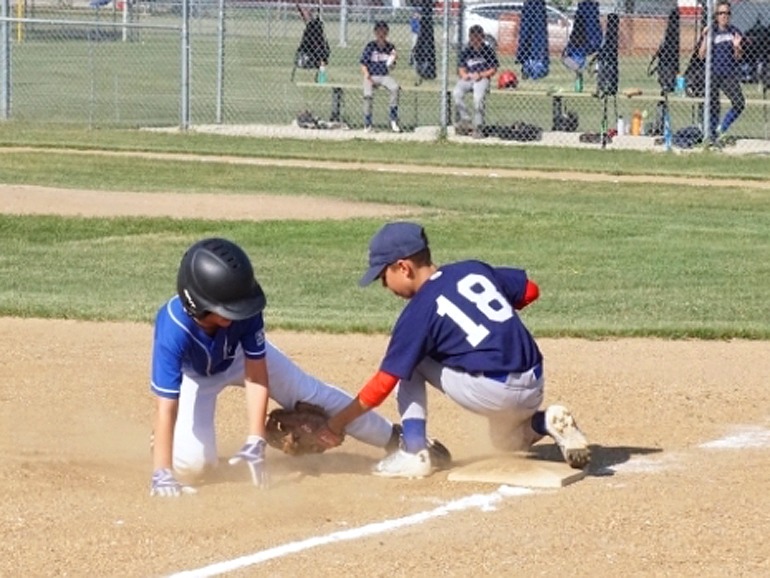
For Little League Baseball, the official Little League League Finder takes a home or school address and shows local league boundaries. It gives you an official starting point and a contact.
Little League's geographic eligibility rules include an important exception for young children.
Beginning with the 2025 season, children league age 4 to 7 may register with a Little League of their choice without the ordinary residence or school-boundary restriction. Players league age 8 to 16 generally follow the residence, school-enrollment, qualifying continuous-participation, or approved eligibility pathways. These are Little League rules under its Regulation II update.
If your child is six, you can look at Little Leagues beyond the one tied to your home address, as long as the league offers the right program and accepts the registration. For ages 8 to 16, check which eligibility route fits your child.
After registration and placement on a roster, a player is committed to one Little League for that regular season. Playing in a separate non-Little League program depends on that program's rules and the league's.
A league boundary and an available roster position are separate matters. Once you identify a program, the registrar can explain the current division, enrollment period, and space for that season.
City and county recreation departments publish their own enrollment processes. PONY, Cal Ripken, and independent travel programs have separate registrars and requirements. To compare those commitments, see how rec and travel baseball differ.
Recreational baseball or travel baseball: which commitment makes sense?
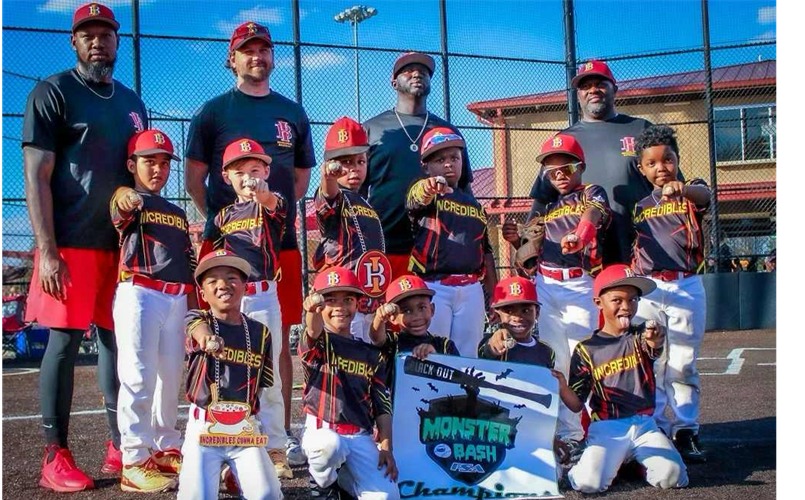
Tryouts, competition, playing opportunities, and travel vary from team to team. What matters is the experience your child wants and the commitment your family can keep up.
| Factor | Community recreational baseball | Travel or select baseball |
|---|---|---|
| Entry | Usually local registration | Tryouts and roster selection |
| Competition | Local league games and postseason play | Tournaments and broader competition |
| Schedule | Set by the local league | Additional games and travel dates |
| Expenses | Registration and required equipment, with local variation | Adds transportation, lodging, and tournament expenses |
| Deciding question | Does this format meet your child's current goals? | Is the additional commitment worthwhile for this player? |
A child who likes playing with neighborhood friends may do well in a recreational league. Another player wants tougher games and a different level of competition.
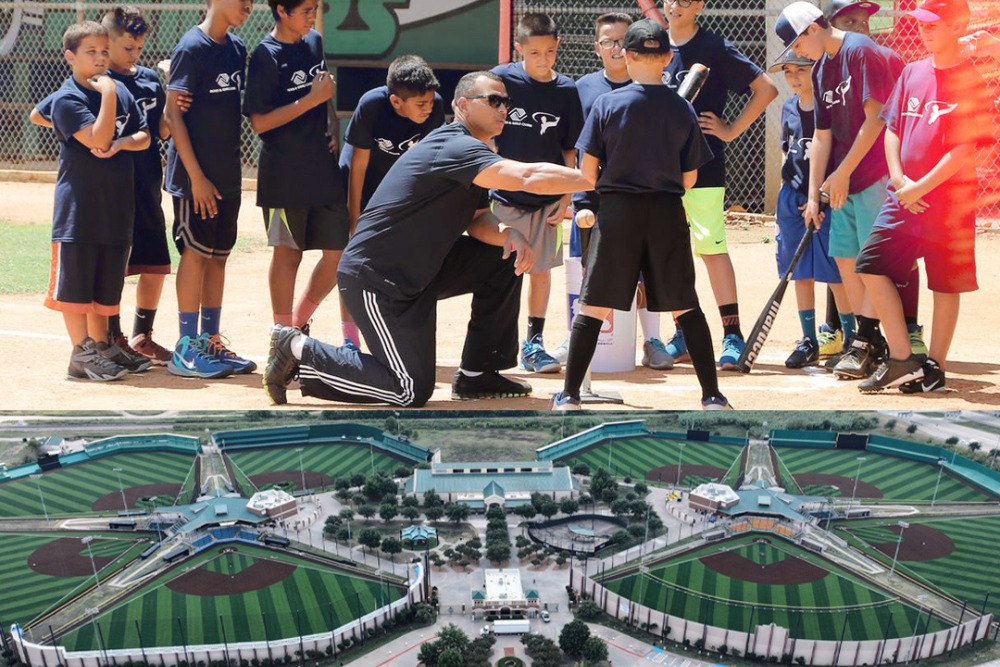
Scheduling gets harder when a child joins more than one team. A player might have a Little League game on the same weekend as a travel tournament, with postseason commitments added later. Multiple rosters also complicate pitching workload, covered below. Lay the proposed calendars next to school, other sports, and family commitments, and include practices, games, tournaments, travel days, and any dates when two teams could conflict.
What should you look for in a coach and playing environment?
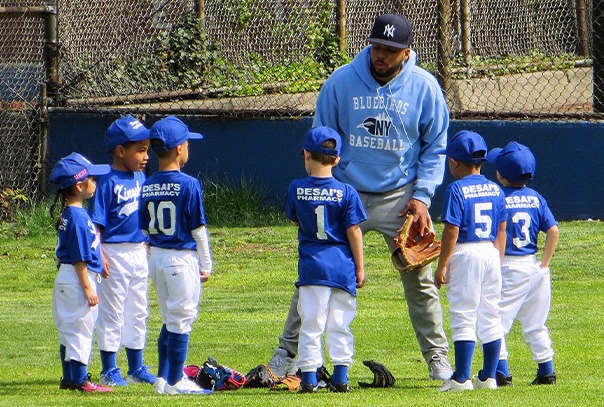
Look for coaching that teaches the skills your child needs, offers meaningful playing opportunities, and responds constructively when a young player struggles.
New players are learning several things at once: catching a thrown ball, timing a swing, remembering where to run, and staying aware of the play. Each takes its own practice. The American Academy of Pediatrics also stresses physical, mental, and social development when it discusses children's readiness for organized sports.
A parent described how a hard move from tee ball to coach pitch affected their child:
He was excited to play but now when we mention practicing at home or the team practices, he doesn’t want to. With baseball and other hard things, he tends to shut down and stop trying when he gets discouraged. When we were leaving the last practice at nearly 9pm, I told him that I saw him really focusing and trying hard and his response was, “I tried my best but I didn’t get anything right.”
The parent also described a demanding schedule of two practices and two games in a week. If your child talks like this, raise it with the coach early, before discouragement turns into losing interest in the sport.
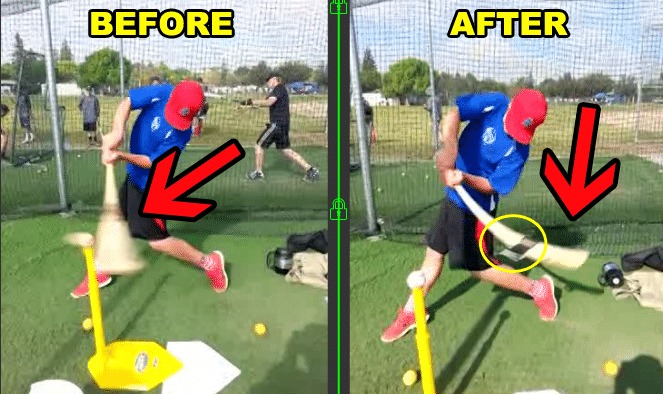
Questions that reveal how a team operates
- Instruction: How do coaches adapt rules and group size for young beginners while teaching batting, throwing, catching, and field awareness?
- Playing opportunities: How are fielding positions, substitutions, and participation handled?
- Support: What happens when a child misses repeatedly, feels overwhelmed, or needs extra instruction?
- Communication: How are families told about expectations, attendance, and concerns?
- Safeguarding: How are volunteers screened and trained, and what is the procedure for reporting a concern?
Chartered Little Leagues require annual background checks and Abuse Awareness training for covered volunteers, along with child-protection reporting procedures and restrictions on inappropriate private one-on-one interactions. Judge other organizations by their own published safeguards.
What does a first youth baseball season involve?
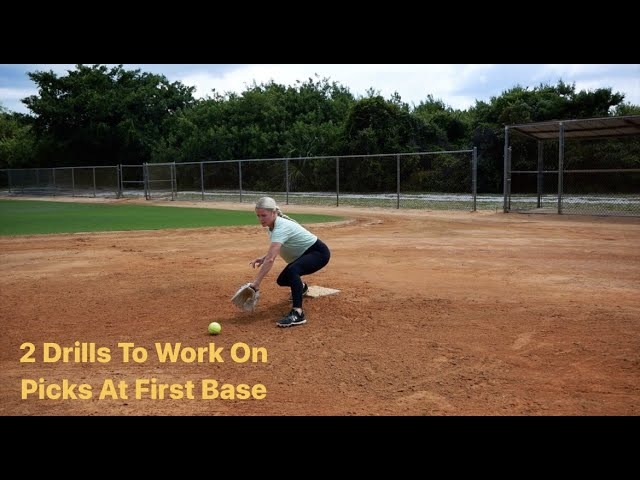
In a first season, children learn to take turns batting, run the bases, throw and catch, and follow the action while others play.
Little League's sample Tee Ball instructional program runs 10 weeks. Its example materials describe an average of seven to ten players on a roster, one or two practices a week, and a weekend game. Local leagues set their own schedules.
One new tee-ball coach described what remained to teach in the final 45 minutes of practice before the team's first game:
First-time tee ball coach. Last week's practice we went over gripping, throwing, and baserunning. I've been trying to follow the LL Tee Ball program but I'm finding some flaws with the way our practice/game structure is set up. We have one more practice before the first game. I'm overwhelmed with what I *think* they need to know before their first game, plus I'll be out of town for it. This is the list I think (and fear) they still need to learn before the game, with my ranking of priority. Which of these should definitely be taught with the 45 minutes I have left with these kids?
Expect to remind young players where to run, when to field a ball, and how to take turns. Early games are part of learning those routines.
Arrival time, meeting place, and any parent volunteer duty belong on the family's first-practice checklist. The coach or coordinator can say whether parent helpers need program-specific training, while what to wear and pack for the first practice covers clothing and the field bag.
What should families budget and check before buying equipment?
Build a youth-baseball budget from the real costs of the program you're considering. Local registration materials show what families pay and which items the team supplies.
- Registration and uniforms: Record the enrollment charge, included team clothing, and any additional uniform requirements.
- Personal equipment: Find out which gloves, footwear, helmets, bats, and other items are required or available to borrow.
- Travel: Include transportation, lodging, and tournament-related expenses when they apply.
- Other commitments: Note optional instruction, fundraising responsibilities, or additional charges described by the team.
- Withdrawal terms: Note payment deadlines, refund rules, and charges that remain payable if the player leaves the program.
Equipment approval can matter as much as price. Little League Baseball uses different bat standards across its divisions. Details on baseball gloves, youth bats, and batting helmets are in the essential baseball gear: personal, shared, or conditional.
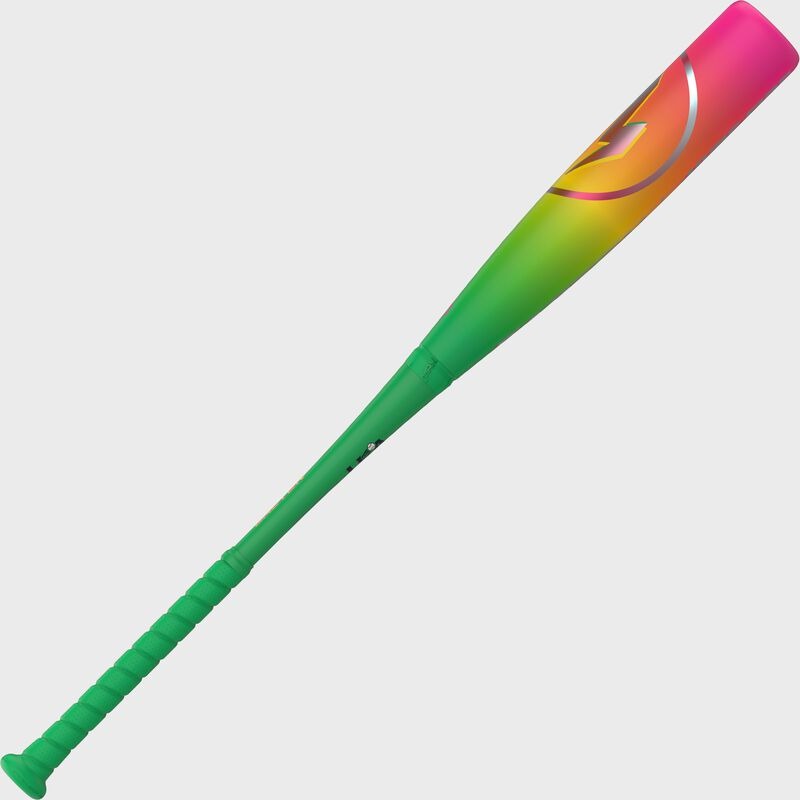
- Majors and younger: USABat.
- Intermediate (50/70) and Junior League: USABat or BBCOR, under the published division rules.
- Senior League: BBCOR.
Compliant solid, one-piece wood-barrel bats in the relevant Minor/Major and Intermediate/Junior divisions do not need a USABat logo, provided they meet the other bat rules. Specially approved Tee Ball bats may be used in coach-pitch or machine-pitch play only with approved tee balls.
The Little League bat information explains the division markings.
In a July 7, 2026 update, Little League addressed a USA BBCOR certification transition and stated that the announced change would not affect its 2027 seasons.
Equipment approval varies outside Little League, too. A bat that carries the wrong required mark may be unusable in league games, however much it costs.
Safety and inclusive play: what to ask before joining

Pitching across teams
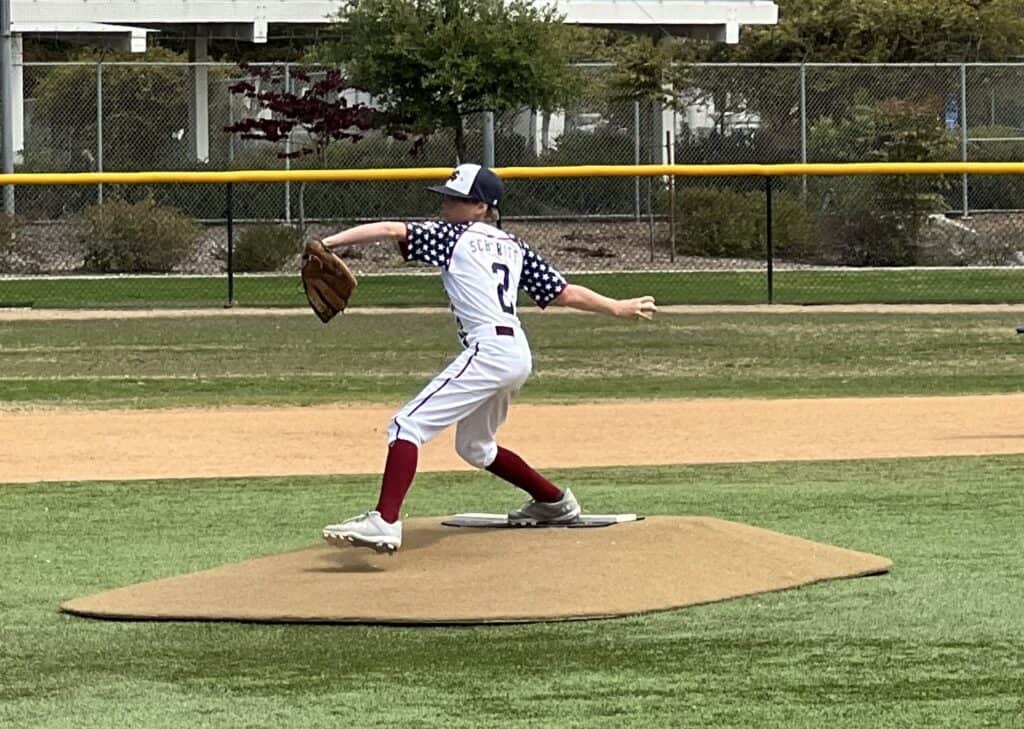
Little League Baseball publishes age-based pitch limits and required days of rest. MLB and USA Baseball's Pitch Smart program provides educational guidance about pitching workload and recovery. Your league's rules decide formal game eligibility.
A child who pitches for both a recreational team and a travel team can appear on two separate game schedules, and the combined activity matters when you and the coaches assess rest between appearances. Ask who records pitches, communicates between teams, and enforces rest requirements, and make sure the answer covers your child's entire schedule, including any other teams.
Access and participation
Children with disabilities can play in conventional programs with appropriate accommodations. Little League's Challenger Division and other adaptive baseball programs offer additional playing formats. For adaptive baseball, accessible fields, and inclusive teams, read which kind of program might fit the player.
If access is a concern, tell the organizer what your child needs and ask about adapted formats. Field surfaces, available assistance, facilities, and your child's preferences all count.
Before you register: a checklist
A program is ready for a decision when you understand its playing format, commitments, and any conditions that affect your child.
| Question to settle | Where to verify | Your answer |
|---|---|---|
| Who operates the team, and which division is offered? | Registration materials and league office | _____ |
| Which age and geographic eligibility conditions apply? | Season age chart, registrar, and any younger-player exception | _____ |
| What pitching format and local rules are used? | Division rules | _____ |
| How are instruction and playing opportunities handled? | Coach and team policies | _____ |
| What are the season dates and attendance expectations? | Team calendar | _____ |
| What are the full fees, equipment requirements, and refund terms? | Written financial and equipment policies | _____ |
| What pitching and child-protection procedures apply? | Governing rules and program safety policies | _____ |
| Are any required accommodations available? | Coordinator and facility information | _____ |
| Who confirms enrollment and answers outstanding questions? | Official registrar or program contact | _____ |
Those answers point to three possible decisions:
- Proceed: The key conditions are known and acceptable.
- Hold: An important detail is unanswered, so the decision stays open.
- Choose another program: A known requirement conflicts with your child's needs or your family's capacity.
Keep the worksheet for side-by-side comparisons. It is easier to see a real difference between programs when the answers are recorded in the same place.