 Weather: 614-526-6500

The National Beep Baseball Association (NBBA) directory is the practical first stop for finding a team. A listing needs to turn into a real conversation about practice location, travel, and available player or volunteer roles. Where no existing team is feasible, NBBA outreach can help you explore gathering local players and volunteers before making equipment or competition purchases.
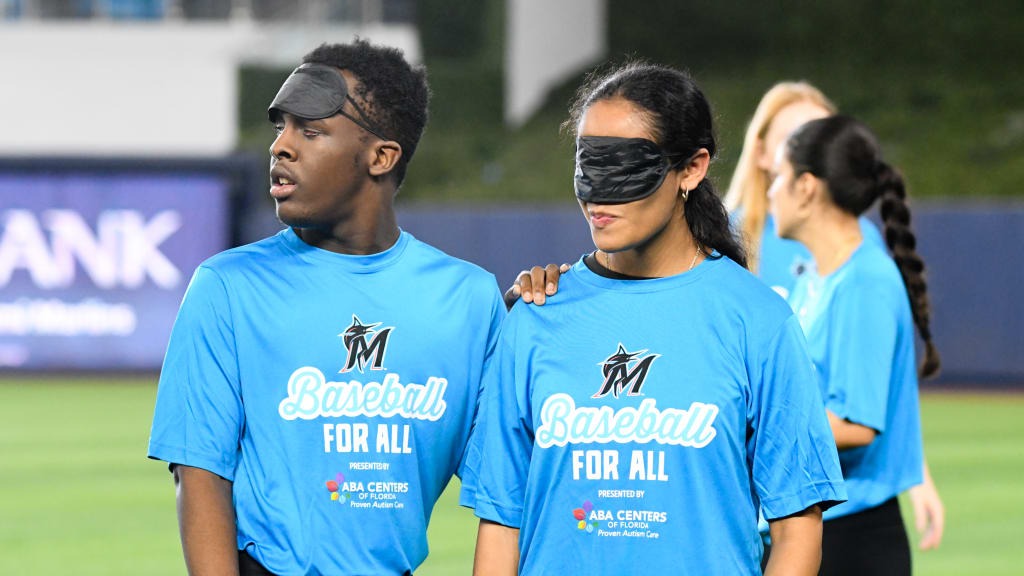
Beep baseball combines audible balls and bases with sighted pitchers, catchers, spotters, and other helpers. Playing, volunteering, and organizing a new club are different commitments, so choose the route relevant to you.
Find an existing beep baseball team through the NBBA directory
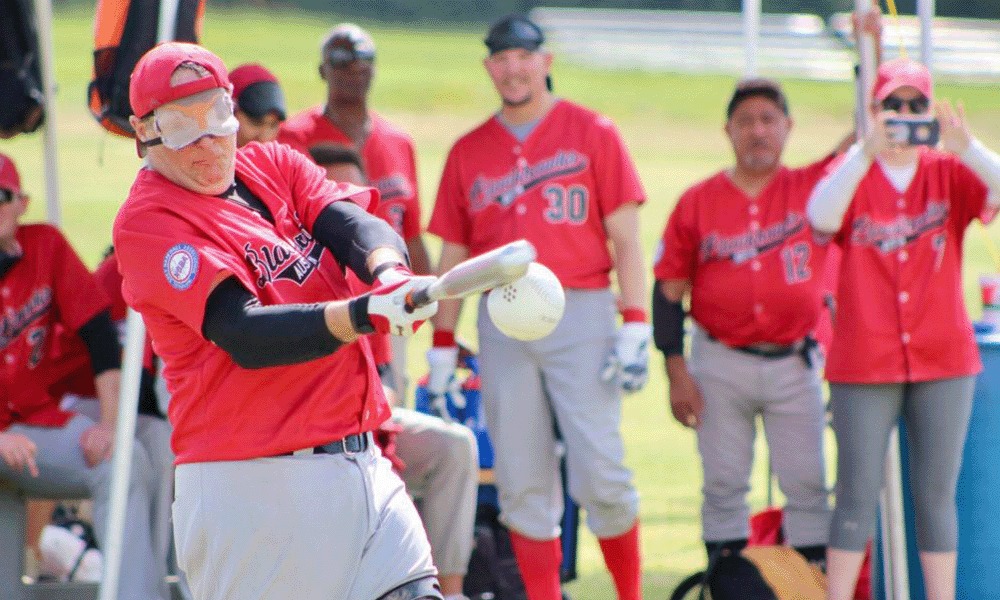
The NBBA Current Teams directory lists affiliated US clubs by name and city, with contact options on individual entries.
The listed city may not be the practice field. A nearby team is only truly nearby once you know where and when it trains.
The directory includes the Cleveland Scrappers in Cleveland, Ohio, the Indy Thunder in Indianapolis, Indiana, and the SGV Panthers in Pasadena, California.
Some clubs also run their own websites. The Boston Renegades, for example, have team information through the Association of Blind Citizens.
Contact the team before traveling to a practice
Click "Send a message" next to the team's directory entry when it's there. The NBBA Contact a Team form also lets you pick a team and enter your name, email address and message. The directory and the form have different team lists, so start with the directory entry for the team you want.
Each local club sets its own visitor, registration and equipment rules, and the organizer confirms them. Ask these questions in your first message:
| Ask the organizer | What you learn |
|---|---|
| Are you meeting and accepting players or volunteers? | Whether there's a spot for your role |
| Where and when is your next practice? | Real location, date and time |
| Can a beginner attend or try a session? | Whether you can visit, and if you must register ahead |
| Is equipment available to borrow? | What you need to bring or get |
| What access and communication support is available? | Whether the venue and session work for you |
| Are rides available, and how are cancellations announced? | Transport and changed plans |
| Are there local fees or forms? | What you need before attending |
A first-time player could write:
Hi, I'm interested in joining your beep baseball team as a player. Are you accepting beginners, and could you share the location and time of your next practice? I'd also like to know whether I can try a session and whether equipment is available.
To volunteer, say so in the same kind of message. An old social post with an address or practice time is no substitute for the organizer's reply.
If a listed team doesn't respond, ask NBBA to help you find a working team contact.
Join as a player or help as a volunteer
Alongside blind and low-vision athletes, beep baseball teams rely on sighted people who fill specific field roles and keep practices running.
- Player: Attend practices, get used to the audible ball and bases, and get to know your teammates.
- Pitcher: Work with batters on a repeatable delivery and timing, following the team's training.
- Catcher or field spotter: Learn your game duties from the team.
- Off-field volunteer: Help with transportation, setting up and clearing the field, charging balls, repairs, schedules or fundraising.
The NBBA startup guidance stresses the relationship between pitcher and batter, and repeated practice builds their timing. A volunteer with little baseball experience is more useful at first arranging rides or handling equipment than taking on an unfamiliar field role.
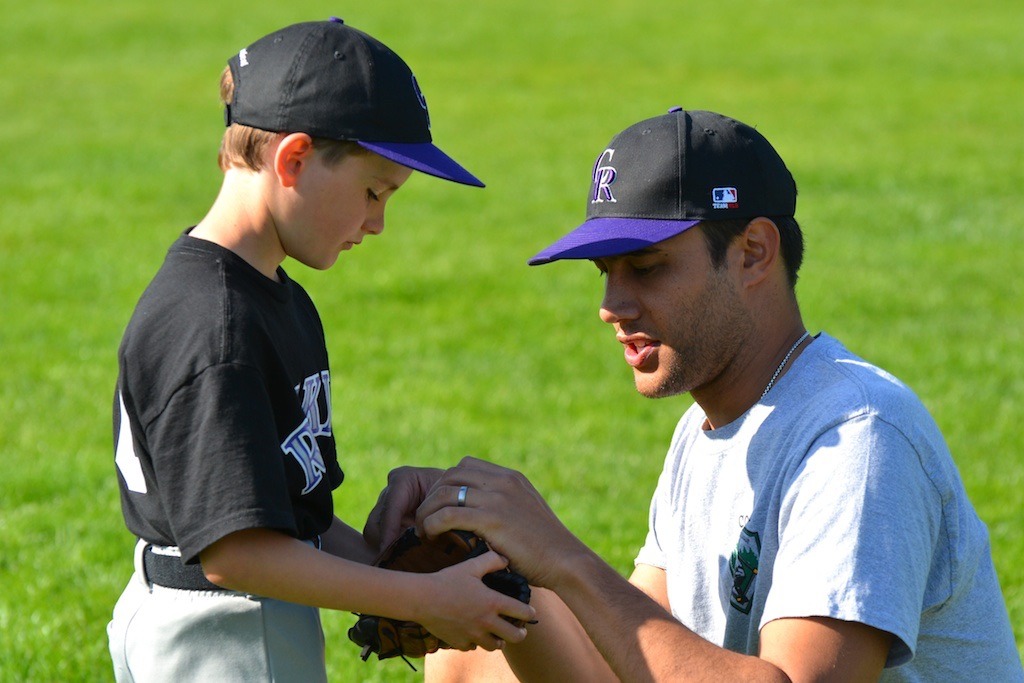
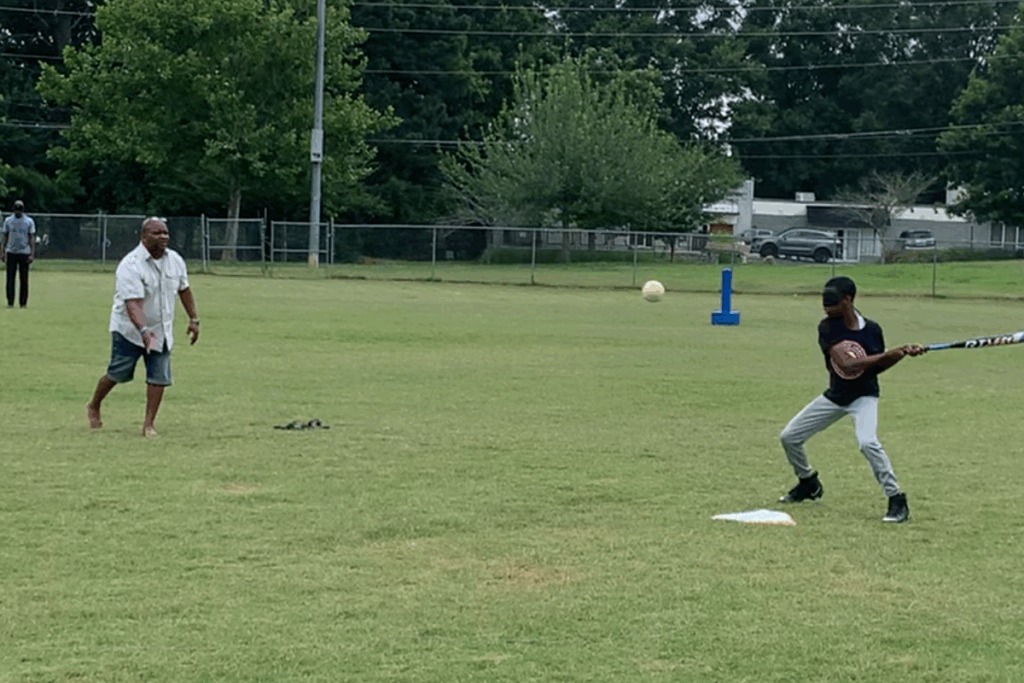
Choose to play, or pick one or two specific ways to help. The local coordinator sets your training, duties and onboarding. For audible baseballs, buzzing bases and blindfolded runners, see how one play of beep baseball works.
What if the nearest team is too far away?
A club in a neighboring city can be easy to visit once and impossible to reach every week. Work out the weekly trip using real practice times, public transportation or rides, and how you'd get home afterward. If you can't attend regularly, ask whether occasional participation works for that team, or start gathering interest closer to home.
How to start a beep baseball team in your area

Begin with people and a conversation with the NBBA. Its Starting a New Team guidance names funding, dedicated volunteers and players as the essentials. For a new-team inquiry, the NBBA Outreach Committee lists [email protected].
The association suggests recruiting at least five or six interested blind or low-vision people as a first step. That's a starting group for organizing.
- Make an interest list. Record each prospective player's general location, availability and the kind of participation they want.
- Line up helpers. Identify potential pitchers, catchers, spotters and people who can handle transport, scheduling or setup.
- Write to NBBA Outreach. Include your city or region, how many people are interested and whether you want recreational practice or future competition.
- Assign responsibilities. Note who can attend consistently and where you still need help.
- Set a meeting pattern. Choose a time and place the group can keep up.
Local organizations serving blind and low-vision people, community sports groups and accessible recreation networks are good places to find interested participants.

What a new team needs: people, gear, funding and a field
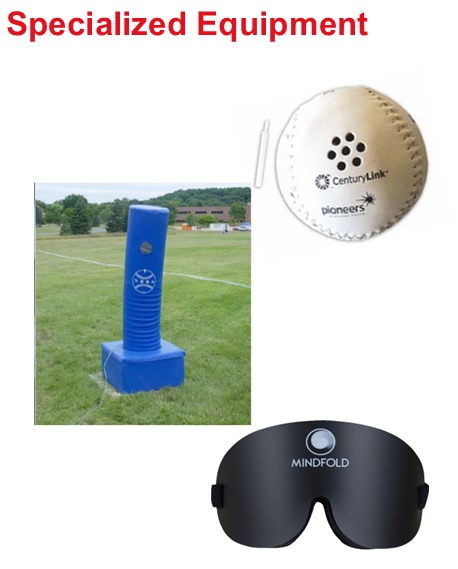
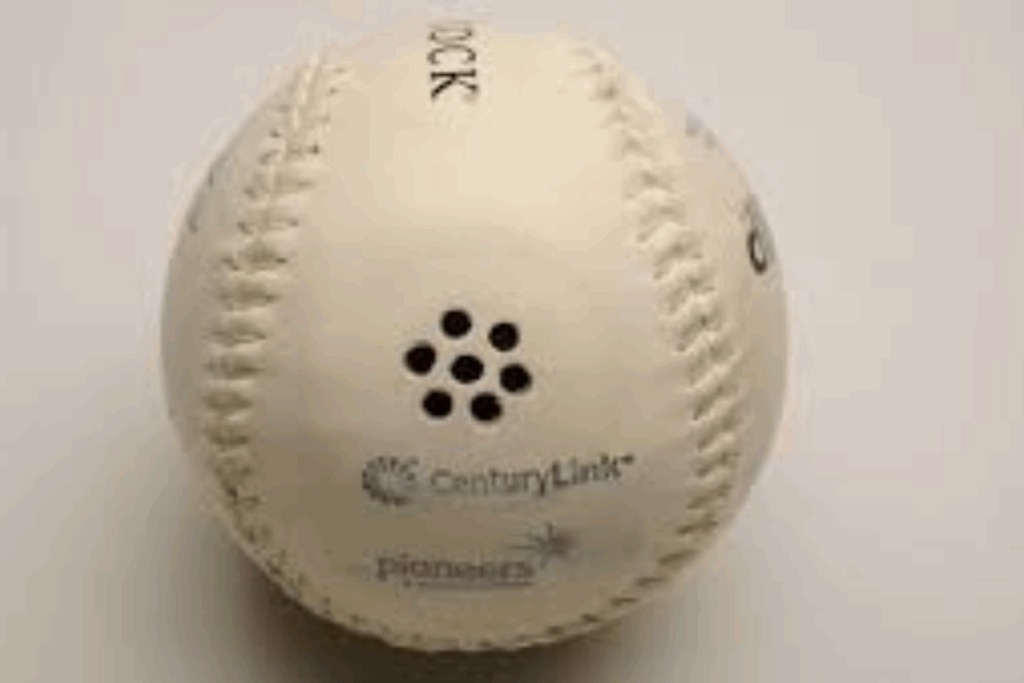
An operating team needs trained people, gear, practice space, transportation and funding. The NBBA describes specialized audible softballs measuring 16 inches in circumference, buzzing foam cylinder bases about four feet tall, blindfolds and other equipment specified by its rules.
The association's equipment guidance names Legacy West Pioneers Beepball Group and Alfonso Medrano as suppliers. Medrano makes the buzzing bases.
| Resource | First supervised trial | Recurring local practice | Tournament plans |
|---|---|---|---|
| Players and staff | Participants and helpers who know their roles | Reliable attendance, every role covered | Eligible roster and required staff |
| Audible equipment | Working gear, borrowed if needed | Charging, supplies and maintenance | Gear that meets event rules |
| Venue | Authorized, accessible practice area | Dependable field access and scheduling | Event-specific setup |
| Transport and funds | Immediate travel or setup costs | Ongoing travel and operating costs | Competition travel and lodging |
| Documentation | Local organizer's requirements | Team procedures | NBBA forms and registration |
Fill in the first-trial and recurring-practice columns with local costs and responsibilities before ordering specialized gear. Field access or reliable travel can be the most pressing expense.
For Miracle League, Challenger Division and local registration options, see what to do if no suitable program appears nearby.
The NBBA describes one or two practices per week, roughly two hours each, as common.
The Cleveland Scrappers say they need $25,000 to $30,000 to fund a full season, including World Series participation. Get fresh supplier quotes for equipment, since prices in older guidance are dated.
Arrange the first practice without assuming you're tournament-ready
A first beep baseball practice needs a coordinator, confirmed access to the venue and prepared people for the planned activities. A visitor joining an established team follows that team's rules; a new group organizes all of this itself.
- Venue and access: Get permission to use a suitable field and plan how everyone will get in and move around the area.
- Role coverage: Assign prepared people to on-field duties, including a volunteer or spare player to operate the buzzing bases during live play, and make sure they know the team's safety procedures.
- Working equipment: Prepare the audible balls, bases and other gear for the session, charging where needed.
- Clear communication: Tell participants when and where to meet, who's coordinating and how schedule changes will be announced.
- Follow-through: Find out who wants to return and what has to change before another practice can work.
Arrange qualified supervision and good field conditions before live play. Keep the first session to a manageable introduction and see whether participants come back.
When NBBA registration, eligibility and tournament fees matter
Casual local practice, a team's onboarding and NBBA-sanctioned competition each come with different paperwork. Local clubs can have their own dues or forms. Formal events use NBBA documentation, eligibility rules and registration procedures.
The NBBA registration information lists these amounts and deadlines for 2026:
| 2026 registration item | Amount | Deadline |
|---|---|---|
| Team registration with two named contacts | $50 | March 1 |
| Roster participant fee | $20 per participant | June 1 |
| World Series registration | $400 | July 1 |
Local introductory sessions and later seasons follow their own rules.
The rulebook for that season is the 2026 Edition, dated November 13, 2025. Some events and roles require vision-related documentation, waivers and roster forms.
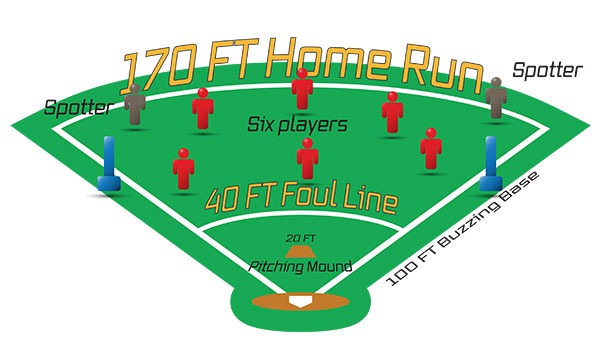
Sanctioned competition comes with the event's rules, registration forms, and deadlines. A new local group can begin with an introductory practice long before it needs to consider World Series entry.