
 Weather: 614-526-6500

A rec or travel team earns its place in your child's season through coaching, playing time, competition, and a workable family schedule—not its label. Select baseball can make sense for a player seeking more challenges, provided the roster, playing-time policy, total costs, and calendar are clear. Rec with supplemental practice remains a meaningful alternative.
How Rec and Travel Baseball Differ
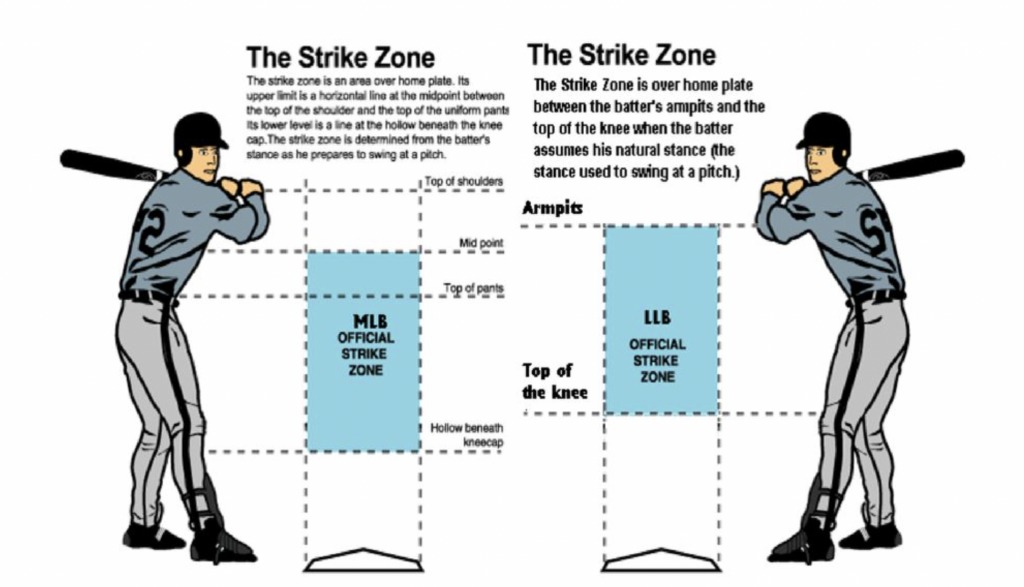
Recreational baseball generally revolves around a local community. Travel, select, and club teams usually hold tryouts, choose rosters, and compete more widely. Those names do not guarantee quality or distance: a rec team can have excellent coaching, while a select team may play locally or travel across states for tournaments.
| What changes | Recreational or house baseball | Travel or select baseball | What determines the real difference |
|---|---|---|---|
| Joining a team | Registration and local eligibility | Selection or tryouts | Enrollment rules and open roster spots |
| Competition | Games within a community league | Selected opponents and tournaments | Who you actually play, and in which division |
| Coaching | Volunteer or league-arranged coaches | Volunteer or paid coaches, depending on the team | How well the coach teaches and runs practice |
| Practices | Set by the local league and team | Set by the club and its tournament commitments | How often, where, and how much teaching happens |
| Playing opportunities | Set by league and division policy | Set by club and team policy | Batting order, defensive rotation, and roster size |
| Expense | League fees and your own purchases | Team fees plus possible tournament and travel charges | The full season cost |
| Location | Centered on one community | Local, regional, or farther afield | The published event calendar |
| Family commitment | League practices and games | Practices, tournaments, and possible travel | Attendance expectations |
The Damascus Sports Association, for example, describes separate recreational and select arrangements, each with its own participation and team rules.
Is Your Child Interested and Ready?

A child who enjoys extra practice, wants tougher competition, and is excited about a new team has a reason to explore select baseball. Ability matters, but so does the child's appetite for the games, travel, and responsibilities that follow.
Ask what they enjoy most about baseball and what they wish they could do more of. Maybe it is facing tougher pitching, learning a new position, practicing with committed teammates, or just spending afternoons with friends.
Then look at what the rec program already gives them. A child who gets patient instruction, regular playing time, and games at the right level may have little reason to leave. Another player wants more practice or tougher competition than the current division offers.
Confidence matters too. Faster pitching, unfamiliar teammates, or a selective tryout can excite one player and scare another. One rough tryout or an anxious first outing says nothing about long-term potential. If confidence or physical safety is a concern, a supportive, qualified coach can set a sensible progression.
Evaluate the Coach, Roster, and Playing Time

The best reason to accept a travel offer is a team where your child learns and plays. A club's reputation, tournament schedule, and uniform are easy to advertise. The quality of its daily instruction is not.
Watch a real practice or game. What happens after a player makes a mistake? Does the coach explain the adjustment and give the player another turn? Do several players get useful repetitions, or do most stand around while the same few do the work? A coach who keeps explaining positioning, batting decisions, and defensive responsibilities when the game gets tough is developing players even in a loss.
- Open positions: An advertised tryout may have only a few spots, and returning players may already hold roles. Ask whether a spot is truly open or whether your child is only being evaluated.
- Playing time: Ask how the coach handles batting orders, defensive innings, and substitutions. The answers show what role your child would likely have.
- Player development: Look for practice across positions and a plan for developing players, not only established starters.
- Competition level: Find out which opponents and tournament classifications the team faces. Labels such as A, AA, AAA, and Majors depend on the circuit.
- Coach communication: Check whether expectations are explained clearly and corrections are respectful.
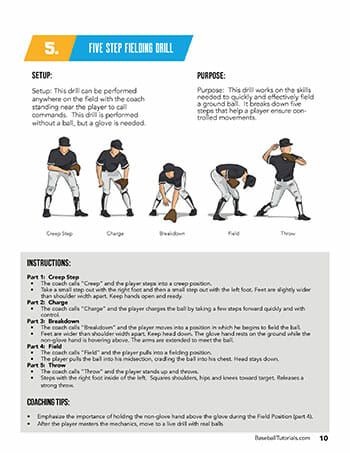
A roster spot doesn't tell you how many innings your child will play. Attendance, position, league rules, and coaching decisions all affect that. For what happens with new players, parents, and first practices, see after registration: when will you hear from the team.
An expensive club that spends most of its time entering tournaments can teach a particular player less than a well-run community team.
Calculate the Full Season Cost
A travel team's advertised fee is only part of what you will pay. A reliable budget counts mandatory charges, expenses the team doesn't control, and money you could forfeit if plans change.
Compare rec and travel over the same season, using figures from the actual programs and your family.
| Expense | Rec offer | Travel offer |
|---|---|---|
| Registration or team dues | Quoted fee | Quoted fee |
| Tryout fees and deposits | If charged | If charged |
| Uniforms and required equipment | Anything not covered | Anything not covered |
| Tournament entry charges | If charged | Included or extra |
| Facilities and coaching fees | If charged | Included or extra |
| Fuel and vehicle expenses | Estimate from schedule | Estimate from schedule |
| Hotel nights | Estimate if needed | Nights × your expected room rate |
| Meals, parking, and admission | Estimate | Estimate |
| Lessons or additional clinics | Planned spending | Planned spending |
| Contingency | Your allowance | Your allowance |
| Potential unrecoverable payments | Identify | Identify |
| Total committed out-of-pocket | Sum of the costs above, or "incomplete" | Sum of the costs above, or "incomplete" |
For each offer, add mandatory payments, travel and food, extra purchases, optional services you plan to buy, and contingency. If a required price is missing, label the total incomplete estimate and leave that item unknown, never $0. Count each expense once: uniforms included in the team fee shouldn't appear again unless you expect extras. Don't add a deposit twice if it is already part of dues.
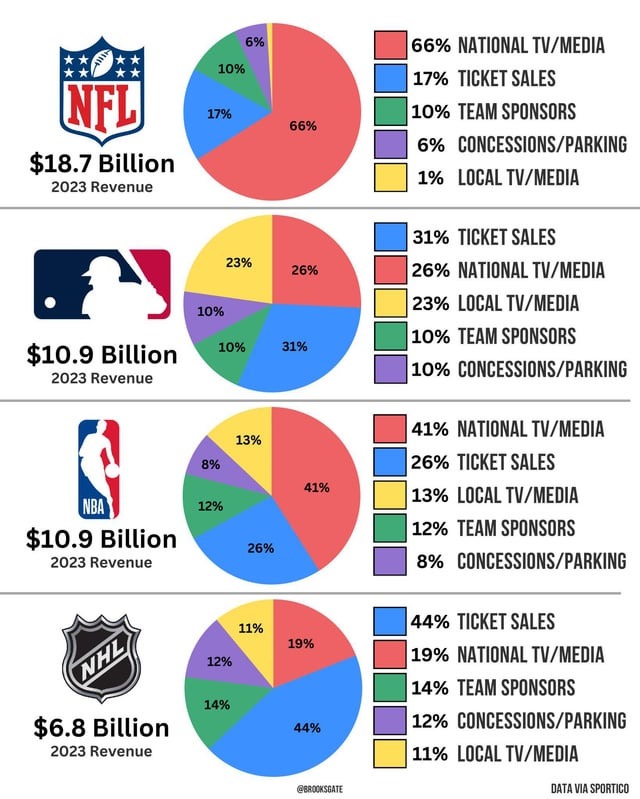
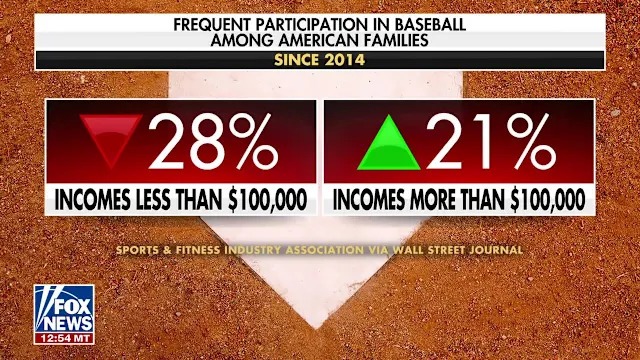
The Aspen Institute's Project Play reported average family spending of $1,016 on a child's primary sport in 2024, 46% above the 2019 level. That figure covers primary sports across the survey population and is not a travel-baseball team fee.
Private lessons belong in your estimate only if you realistically plan to buy them.
A second number matters next to the total: what you would lose if you withdrew. A deposit with a firm deadline can change the decision even when the rest of the season looks affordable. Record that figure as your financial exposure.
See Whether the Calendar Works

You can afford a travel team and still struggle to keep up with it. Weeknight practices, tournament mornings, late drives home, and siblings' activities all compete for the same hours.
Build a calendar from the team's actual events: practice locations, arrival times, tournament dates, driving time, hotel nights, and the trip home. Add school, work, sibling activities, and everything else already on it. Mark the conflicts you can handle and the ones you can't.
Take two programs that both call themselves travel baseball. One plays nearby tournaments. The other requires frequent overnight trips. For a family with an early Monday school routine, those are very different seasons.
The calendar also holds real rewards: shared trips, time with teammates, stronger opponents, and events your child looks forward to.

Ask how the season stretches past the advertised tournament dates. Winter facility sessions, practices during school weeks, and fall activities can be part of the expected commitment.
A schedule that keeps forcing one child to drop another activity, or a parent to miss essential work, deserves heavy weight in your decision.
Can a Child Play Rec and Travel Baseball at the Same Time?

Yes. Little League's guidance on participation in multiple teams permits a child to participate in Little League and an outside travel or select program during the regular season and International Tournament play.
That permission covers Little League only. Another local league or the travel organization may set its own rules on attendance, tournaments, or team membership.
Little League also addresses repeated absences that interfere with team management. Under Regulation IV(a) Note 2, the process involves the manager and requires approval by the local board of directors. Playing on a travel team doesn't by itself remove a child from Little League.
A typical conflict: a rec practice and a travel event land on the same evening. Repeated conflicts affect teammates, coaches, and your child's playing time. Both coaches need to know the commitments before you try a dual schedule. For more on that choice, see recreational baseball or travel baseball: which commitment makes sense.
Pitching adds a bigger problem. MLB and USA Baseball's Pitch Smart guidelines include age-specific recommendations to avoid playing for multiple teams at the same time, including for pitchers ages 9 to 12 and 13 to 14. That is a workload recommendation, separate from Little League eligibility.

If your child's play overlaps anyway, keep one cumulative record of pitching appearances and required rest that both coaches use, and follow the age-specific guidelines. If a player feels pain or may be injured, get qualified medical guidance.
For a nonpitcher, conflicting practices and tournaments are the main obstacle. For a pitcher, Pitch Smart is another reason to pick one team or play them in sequence.
When Should You Move to Travel Baseball?
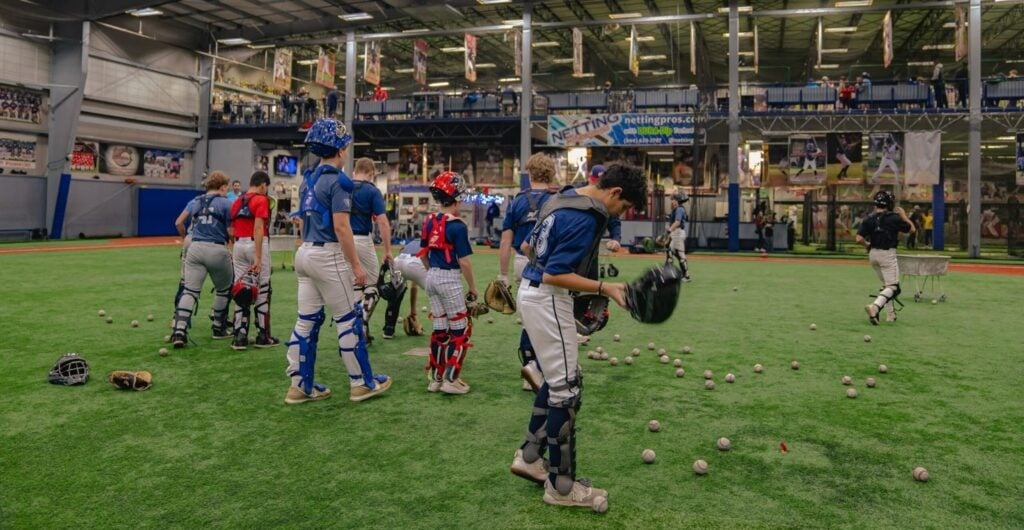
No single age applies to every child. The right time depends on your child's motivation, the coaching available, local opportunities, and what the team can offer.
In some communities, moving earlier makes sense. An established select team may offer stronger instruction and competition, and limited roster openings can shape future choices. Local circumstances decide.
You have four routes:
- Continue in rec: Fits when your child enjoys real playing time and gets useful instruction.
- Add targeted development: A clinic or lesson can fix a specific skill gap while your child stays with familiar teammates.
- Try all-stars or seasonal select: Where available, these give extra competition with a smaller commitment.
- Consider a full travel offer: Worth investigating when your child wants the challenge and the program offers credible development.
Your choice this season can change later. A new coach, shifting motivation, a stronger rec division, or a better travel option can all change the answer. Pick a review point at the end of the season and look at how much your child enjoyed playing, how instruction and game time developed, and whether your family could sustain the arrangement.
Three Families, Three Different Choices

Consider three hypothetical children. The first loves neighborhood games and has a good rec coach, and the family can't manage away weekends, so they stay in rec. The second wants harder practices, but the travel offer leaves fees and playing time unclear, so a clinic or local all-stars keep that child progressing. Travel fits the third, who wants stronger competition and has a credible coaching plan, real playing time, and a family ready for the documented schedule and cost. Questions about pitchers, pitch counts, and required rest days are covered in how many calendar days of pitching rest are required.
Before You Pay, Put the Offer in Writing
Your best final comparison is a record of what each program has committed to provide. A polished invitation can leave you unsure whether the spot includes a defined role, clear fees, or a workable season.
Use the worksheet to record the source of each travel-team answer. Mark it confirmed, estimated, unknown, or unacceptable, and save the supporting handbook, dated email, or policy. A written term is confirmed; an unpriced expense stays unknown, not estimated.
| Offer detail | Evidence to retain | Team answer / document reference | Status |
|---|---|---|---|
| Actual open roster positions | Written vacancy or selection explanation | Unknown | |
| Roster size and competition level | Current team details | Unknown | |
| Practice and development plan | Schedule and coaching responsibilities | Unknown | |
| Batting and defensive playing-time policy | Team or league policy | Unknown | |
| Mandatory fees and included items | Itemized cost schedule | Unknown | |
| Additional or excluded expenses | Tournament and travel requirements | Unknown | |
| Attendance and event calendar | Dates, locations, and expectations | Unknown | |
| Refunds, cancellations, and deposits | Written terms and deadlines | Unknown | |
| Pitching workload and simultaneous-team policy | Team policy and age-specific Pitch Smart guidance | Unknown |
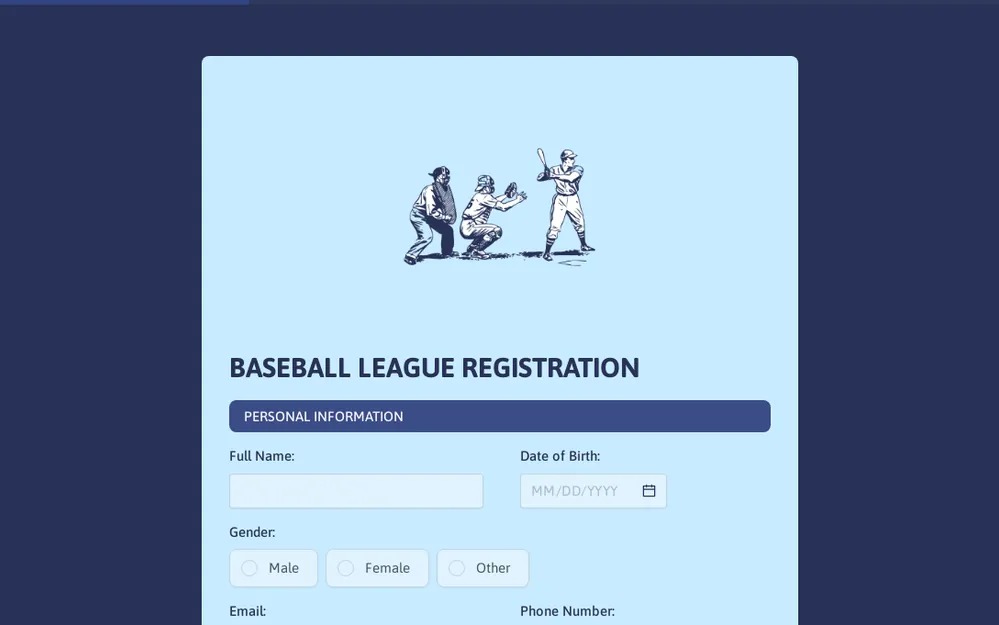
"Thank you for offering our child a place on the team. Before we commit, could you send the roster and playing-time policies, the complete fee schedule, the expected practice and tournament calendar, and the deposit, withdrawal, and refund terms?"
First separate firm limits from preferences. An unaffordable fee, impossible schedule, reluctant player, or unworkable rest arrangement can rule out an offer. Uniform design, reputation, and tournament prestige cannot fix those problems. Leave mandatory unknowns—including unexplained nonrefundable deposits—unresolved until the team supplies the terms. Then compare the confirmed offer with rec and supplemental options.
Without a clear roster, playing-time policy, complete costs, and schedule, a travel offer isn't ready for a deposit. Rec baseball and added training remain alternatives while you obtain those terms in writing.