
 Weather: 614-526-6500

The first recreational baseball season is easier when you know the division, the coach's expectations, and what the team supplies. A fitting glove, comfortable clothes, water, and a simple field bag cover much of the first practice. Wait for the league's equipment requirements before buying a bat, helmet, or team-color uniform pieces.
Work through it in this order: league and division, team contact, equipment decisions, first practice, then game day.
The registration form was straightforward; the follow-up emails may be less so. Suddenly there are evaluations, unfamiliar equipment lists, and a practice next Tuesday—and no clear answer about whether your child needs a bat.
Equipment needs vary with the division, coach, and team inventory. Coaches arranging that first session can use the 60-minute first baseball practice plan for batting stations, fielding drills, and beginner-friendly pacing.
Start with the right league and division
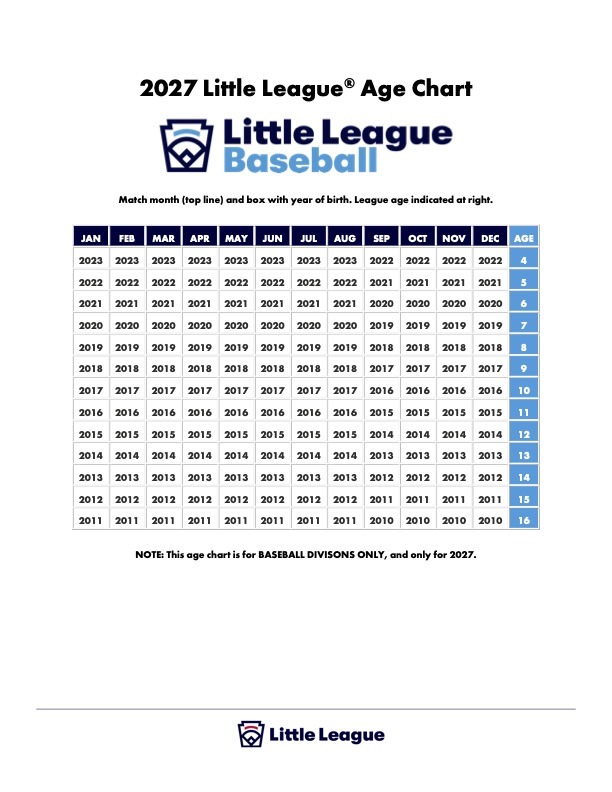
Find out which organization runs your child's program and which division they're entering. Recreational leagues differ: some follow Little League rules, others another governing organization or their own published requirements.
For Little League Baseball, league age is set by the child's age on August 31 of the season year. The official Little League age determination guide has the age chart and the division structure.
Little League Tee Ball covers league ages 4 through 7. Players at league ages 5 or 6 who have completed one regular Tee Ball season may be considered for coach-pitch or machine-pitch Minor League. Placement depends on which divisions your local league offers. For more on age ranges, Tee Ball and Minor League divisions, see Little League division age ranges.
Two children of similar age can land in different formats. One starts Tee Ball while another already has experience facing a pitched ball, and their practices look different.
For an independent program, use its own age and division rules. A uniform list or registration checklist from another town doesn't tell you the rules for your child's team.
After registration: when will you hear from the team?
Registration can come before player evaluation, team assignment or a coach's first message. Some Little League divisions hold evaluations and use a draft; others assign teams differently.
The official Little League post-registration guide explains how coaches notify families and why practice dates differ from team to team.
| Stage | What happens | What you need |
|---|---|---|
| Evaluations, if used | Players attend an assessment | The division's instructions |
| Team assignment | Managers receive rosters | The announced notification window |
| Coach contact | Families get team and practice details | Field, schedule and communication channel |
Suppose another family already knows its coach while your inbox is silent. Teams start practicing on different days, so the benchmark is the notification deadline your league announced.
If that date passes without a message, Little League points families to the Player Agent. Other recreational leagues may use a registration coordinator or league administrator. Once you're assigned, find out which team channel carries field information, practice changes and weather cancellations.
What to buy, borrow or wait on
Under Little League rules, affiliated local leagues must provide basic team playing equipment: bats, balls, batting helmets and catcher's gear. The Little League parent equipment guide also recommends team inventory and explains typical supply arrangements. A local league can separately list personal gear each family brings.
| Item | Use | What to confirm | Decision |
|---|---|---|---|
| Fielding glove | Throwing and catching practice | Child can close and control it | Buy or borrow one that fits |
| Athletic pants and shoes | Running and fielding | Field and footwear rules | Use what you already own |
| Molded cleats | Traction on some fields | Whether cleats are expected | Wait if athletic shoes are allowed |
| Team jersey and hat | Team identification | What the league hands out | Wait for team assignment |
| Uniform pants, belt and socks | Game uniform | Required colors and styles | Wait for team colors |
| Baseball bat | Hitting drills and games | Team bats, personal-bat policy, approved standard | Use a team bat or wait |
| Batting helmet | Protection while batting | Team supply, fit, personal-helmet policy | Use an approved team helmet or wait |
| Catcher's gear | Protection behind the plate | Team supply and role assignment | Usually wait for team gear. A catcher must wear the required protection. |
| Batting gloves and gear bag | Optional | Whether the player finds them useful | Skip at first |
A glove is worth getting right early. Your child should be able to close it around a ball and manage its weight. A stiff glove that won't close can make a simple catching drill frustrating.
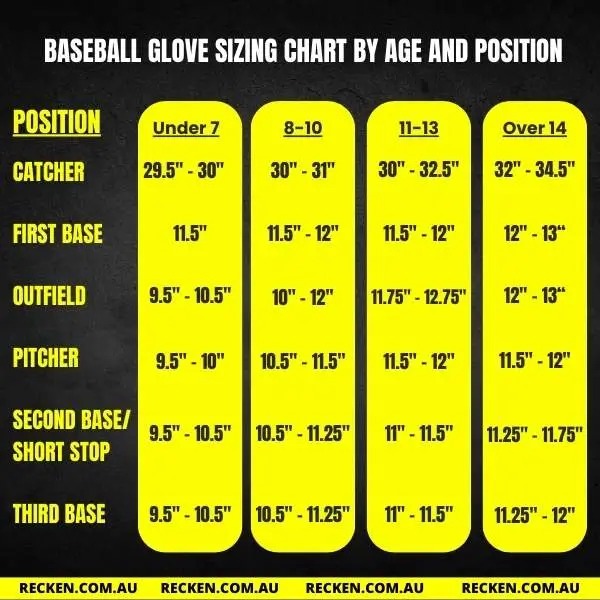
For bats, approval depends on the governing organization and division. Little League uses USABat standards in Tee Ball and younger baseball divisions, with USABat or BBCOR provisions in certain older divisions. Younger Little League divisions also restrict metal-spiked cleats.
Little League batting helmets must carry the NOCSAE certification mark and be in safe condition, with sound padding and no significant damage.
A child assigned to catch needs the required protective helmet and mask with throat protection, chest protector and shin guards. Little League also requires male catchers to wear a protective supporter and cup. Even when the team owns the gear, a catcher still has to wear all of it.
Plymouth New Hope Little League lists a team bat among its equipment and also asks families to supply a bat and batting helmet. Read team inventory and personal-equipment instructions together.
Before shopping, ask the league one question: “Which items does our team provide, and which must each player bring, including the bat, batting helmet, uniform colors, and approved bat mark?” Check the answer against the table. For used gear, a local equipment exchange such as the one described by Lawrence Township Junior Baseball & Softball Association can help; inspect condition and fit before use. For more on baseball gloves, youth bats and batting helmets, see buy, borrow, or wait: an order that avoids repeat purchases.
What to wear and pack for the first practice
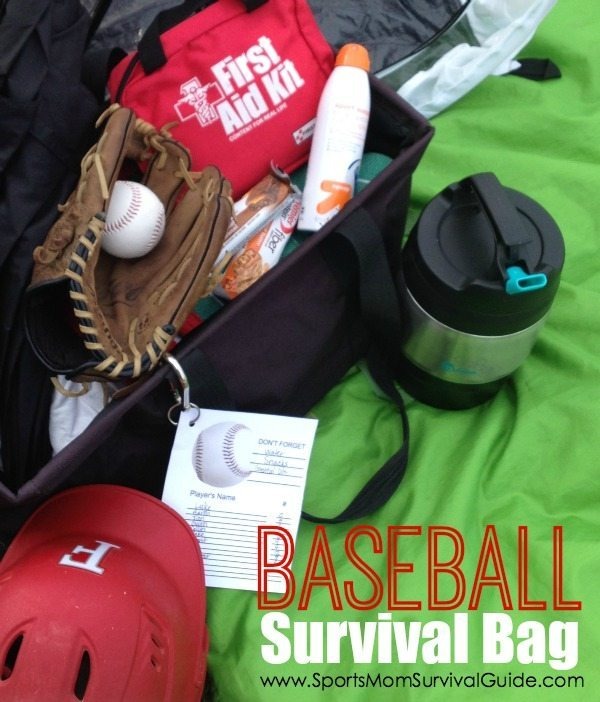
The first practice calls for comfortable field-ready clothes and a small bag of essentials. Expect throwing, fielding ground balls, running and some time in the dirt. Long athletic pants hold up on rough ground, and an early-season evening can be chilly even when the team photo shows summer sunshine.
- A fitting glove. Label it discreetly so it doesn't get lost among similar gloves near the dugout.
- Pants and shoes. Clothes the child can move in and footwear the field allows.
- A labeled water bottle. Easy to find during breaks.
- Weather protection. A layer, hat or sun protection for the actual conditions.
- Batting gear when required. Bring an approved personal bat or helmet if the team expects one; otherwise use the shared gear.
- Field information. The confirmed practice address and any parent contact details the team requested.

Heat changes the preparation. Water breaks, shade and sun protection are part of Little League's heat-safety guidance. If your child has a health or accessibility plan, follow it alongside the organizer's instructions.
Before drills begin, children should know where to gather and that they enter active batting areas only when the coach directs them.
What a beginner can expect (and how to make it fun)
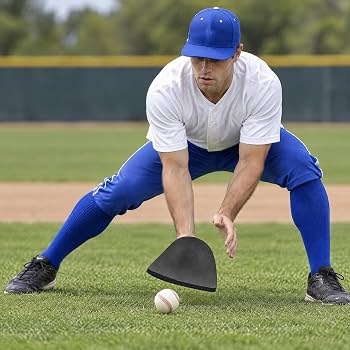
A child can enjoy hitting a ball from a tee and still struggle with throwing, catching or tracking a pitched ball. Each of those skills needs its own attention and practice.
Coach-pitch makes the differences visible. A child who felt comfortable in Tee Ball may now play beside others who have spent more time throwing and catching.
One parent described the change in a first-person post to r/LittleLeague:
Now as he begins his first season of coach pitch, everything has become really intense. The coaches want to practice twice a week and have 2 games a week. ( 2 hour practices going until almost 9 pm in unusually cold weather). I was told at the first practice that we are “really lucky” that our son is on these coaches team because they are great coaches and they won last season. I have found them so far to be a good mix of kind but knowledgeable, so the coaches seem great but extremely serious.
The late practices and competitive atmosphere belonged to that family's team. What matters for you is whether your child gets encouragement and room to learn.

At an early practice, progress might be throwing toward a partner, setting a glove for a ground ball or remembering where to stand after a hit. Your child doesn't need to learn every job in one afternoon.
At home, rolling a ball back and forth or tossing gently makes the equipment familiar without turning family time into another scheduled practice.
After practice, ask which moment felt fun and which felt hard. Ask the coach which one beginner skill to work on next. If discouragement persists, talk with the coach about the team's expectations and how your child is being supported.
First game: a simple parent-and-player routine

The day before the first game, use the coach's instructions to confirm:
- the correct field and entrance
- arrival time
- the weather-update channel
- who will bring or collect your child
The opening game brings new uniforms, unfamiliar positions, periods of waiting, and probably a dropped ball or two. Set out the assigned jersey, hat, and other required clothing; keep the usual glove-and-water bag close and show your child where the coach will be.
Parents, volunteering and when to raise a concern
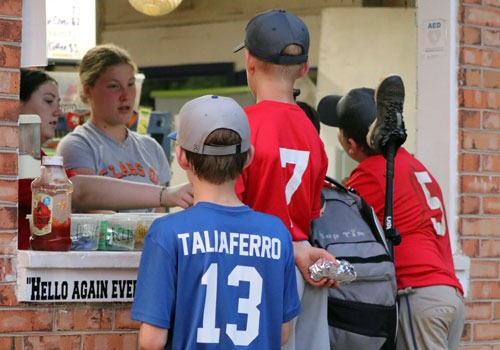
Recreational baseball often relies on adults who coach, organize teams, maintain fields or help with league activities. Volunteer expectations vary: a program may ask for availability during registration, assign duties later, or set local fundraising and concession responsibilities. Ask the league whether participation fees or fundraising requirements apply to your family.
Routine scheduling questions belong with the team organizer. Concerns about a child's safety need the league's designated safeguarding process.
| Situation | Starting point | What to tell them |
|---|---|---|
| Missing schedule, uniform details or volunteer assignment | Coach or league coordinator | The specific information you need |
| Repeated intimidation, humiliation or unsafe conduct | Designated safeguarding contact, league official or board | What happened, when, and the response |
| Immediate danger | Local emergency assistance | The situation and your location |
Little League's SAFE framework covers child protection, physical safety, mental well-being and risk management. Participation in the SAFE to Play recognition program is voluntary and strongly encouraged. Little League child-protection obligations, including background screening, required training and reporting duties, remain mandatory.