 Weather: 614-526-6500

The governing rulebook—not the most familiar rule you remember—controls a baseball game. Little League, NFHS, and MLB differ, and an event may adopt written modifications. Identify the organization, division, season, and exact play before interpreting the call.
Little League vs. High School vs. MLB: The Rules at a Glance
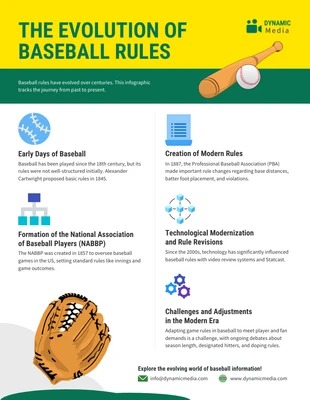
Little League Major Division, NFHS high-school baseball and Major League Baseball play the same basic game but set different rules for pitching, equipment, participation and some disputed calls. This comparison uses the 2026 Little League Baseball Major Division regular season, 2026 NFHS rules and 2026 MLB rules. The Little League column covers Majors, ages 9 to 12.
| Rule or feature | Little League Major | High school (NFHS) | MLB |
|---|---|---|---|
| Scheduled innings | 6 | 7 | 9 |
| Basepaths | 60 ft | 90 ft | 90 ft |
| Pitching distance | 46 ft | 60 ft 6 in | 60 ft 6 in |
| Pitching workload | League-age daily limits and required rest | State association restrictions | No age-based pitch ceiling like Little League's |
| Bat standard | USABat standard for nonwood bats in Majors | BBCOR for nonwood bats | Standard solid-wood bat under Rule 3.02 |
| Uncaught third strike | Yes: first base open, or two outs | Yes | Yes |
| Leading off | Restrictions on leaving early | Conventional live-ball leads | Conventional live-ball leads |
| Participation | Mandatory-play rules | NFHS and state lineup rules | Professional roster and substitution rules |
| Pitch timer | Doesn't automatically use the MLB timer | Doesn't automatically use the MLB timer | 15 seconds empty; 18 with runners |
| Early ending | Division-specific run rules | State or event rules | Professional regulation-game rules |
An umpire who works for two local youth organizations asked how to keep the rules straight:
I work with two different organizations of local youth ball, one that uses Little League/OBR and the other that uses NFHS. What are your suggestions for keeping the rulesets different? Is there something like a cheatsheet that I can review between games to remind me of the specific differences?
First Find Out Which Rulebook Applies to Your Game
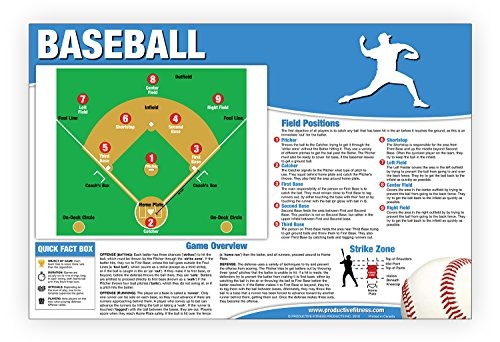
A league or tournament chooses its governing code. An age-group label alone cannot tell you whether the game follows Little League International, NFHS, Official Baseball Rules, or a tournament-specific version. For a practical breakdown, see which rules apply: MLB, Little League, high school, or a tournament.
Chartered Little League programs use Little League's divisional regulations. High-school games use NFHS rules plus the state association's rules. MLB games run on professional rules. An independent tournament may adopt a named code with written changes, so read its published event sheet.
The helmet call that exposed a rulebook mix-up
A parent at an 11U game saw an umpire call a runner out for losing his helmet on a triple. The local program used Little League rules for younger teams and NFHS for older ones. The parent first thought the two codes treated the incident differently, then learned they treat it the same.
One youth baseball league here uses the Little League Rulebook for 12U and younger and NFHS rules for 13U and older. I’m a parent for 11U team, and we were down 4-0 with two outs in top 4th when our kid hit a deep triple. After rounding second, his helmet started bouncing off so he swiped at it with his hand and it fell off. Field ump called him out for removing his helmet. Everyone flipped out and started yelling and screaming but no one (besides me) seemed to know what they were objecting to. Many were questioning the judgement of whether it was intentional removal. Field ump dug in his heels. Wouldn’t consult with his partner behind the plate. ... Edit: looks like he was wrong either way. Thanks all for pointing out NFHS is the same penalty as LL. I guess my point is: as part of the rules meeting at the beginning of the game we should be sure to: AGREE WHAT SET OF RULES WE ARE PLAYING UNDER. 🤦♂️
The 12U/13U split applied only to that local league.
Little League Divisions Change Field Size and Rules
Little League Major is a useful youth comparison point, but Intermediate and Junior baseball change field dimensions and scheduled innings. Age ranges overlap, and league age and registration decide a player's division. For Little League age, Tee Ball and Minor League divisions, see Little League division age ranges.
| Little League division | Age range | Pitching distance | Basepaths | Scheduled innings |
|---|---|---|---|---|
| Major | 9 to 12 | 46 ft | 60 ft | 6 |
| Intermediate (50/70) | 11 to 13 | 50 ft | 70 ft | 7 |
| Junior | 12 to 14 | 60 ft 6 in | 90 ft | 7 |
Moving from Majors to Intermediate adds 4 feet to the pitching distance and 10 feet to the basepaths.
Division also changes individual play rules, such as the uncaught third strike covered below. Regular-season participation requirements and tournament batting-order rules follow different regulations.
Innings, Diamond Size and How a Game Ends
Little League Major games are scheduled for six innings, NFHS high-school games for seven and MLB games for nine. Extra innings, weather and game-ending rules can change the actual length.
When a local Little League adopts run rules for its regular season, they work like this:
- 15-run rule: applies after three innings (two and a half if the home team leads).
- 10-run rule: applies after four innings (three and a half with a leading home team).
- 8-run rule (optional): applies after five innings (four and a half with a leading home team).
The 10- and 15-run rules are mandatory in the Little League International Tournament. High-school state associations and independent tournaments can set their own early-ending conditions or written time limits.
Pitch Counts, Required Rest and the MLB Pitch Timer
Little League's pitch counts limit a young player's workload and decide when he can pitch again. MLB's pitch timer sets the pace between pitches. A high-school pitcher's eligibility comes from the state association's policy.
Little League daily pitching limits
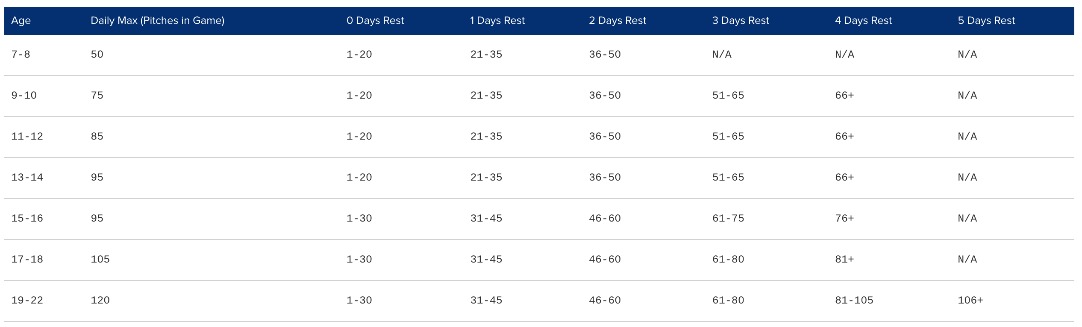
The 2026 Little League regular-season rules set these daily limits by league age:
| League age | Maximum pitches per day |
|---|---|
| 6 to 8 | 50 |
| 9 to 10 | 75 |
| 11 to 12 | 85 |
An 11-year-old Major pitcher can throw up to 85 pitches a day under the Little League pitching regulations. A pitcher who reaches the limit mid-at-bat may finish that batter, so the stopping point depends on the pitch count and the batter faced.
For players 14 and younger, 1 to 20 pitches need no rest days, 21 to 35 need one calendar day, 36 to 50 need two, 51 to 65 need three, and 66 or more need four.
Little League also prohibits pitching on three consecutive calendar days, even after short outings. Read that restriction together with the age-based rest schedule and the finish-the-batter provision. For the pitch-count calculations, see what the Little League pitch-count limit by age is.
High-school pitching restrictions
State associations set the pitching restrictions for NFHS high-school baseball. Texas, for example, uses policy issued through the University Interscholastic League, and its limits don't carry over to another state association.
MLB pitch timer
MLB gives pitchers 15 seconds with the bases empty and 18 seconds with runners on base, plus a separate 30-second between-batters clock, under its pitch-timer regulations.
For Little League pitching eligibility, the coach's record must include pitches thrown, league age, required rest, consecutive pitching days and innings spent catching. A player who caught four or more innings in a game can't pitch that calendar day. In Major Division, a pitcher removed from the mound can't return to pitch in the same game; some older divisions allow a return under their own conditions.
Bats, Helmets, Playing Time and Substitutions
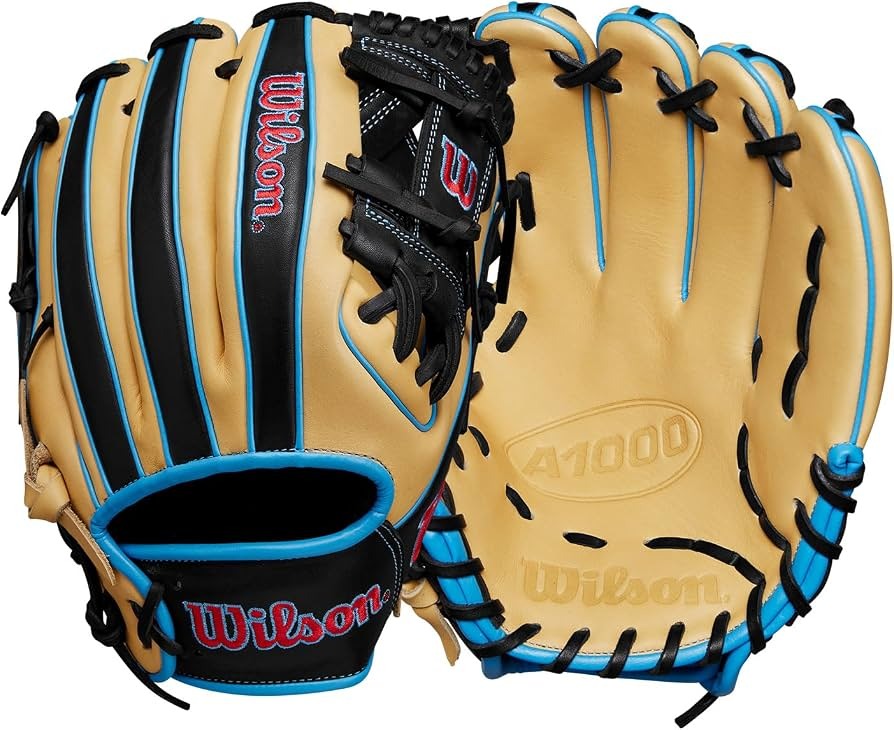
Bat standards differ sharply. Little League Major nonwood bats follow USABat requirements, NFHS high-school nonwood bats use BBCOR, and MLB Rule 3.02 generally calls for one-piece solid wood with authorized exceptions. For a division-specific comparison, see which bat is legal in Little League baseball.
A BBCOR bat used at school may be ineligible for a Little League Major game. Check its certification stamp, dimensions and material against the division's rules. A tournament may add its own equipment rules.
Who must play?
In Little League regular-season play, a player present at the start of the game must get six defensive outs and one at-bat. That minimum doesn't apply when a run rule ends the game early. In the Little League International Tournament, Junior Division and below use a continuous batting order with no separate required defensive innings under the mandatory-play rule. Senior Division is exempt from tournament mandatory play.
Uncaught Third Strikes and Other Calls That Differ by Code
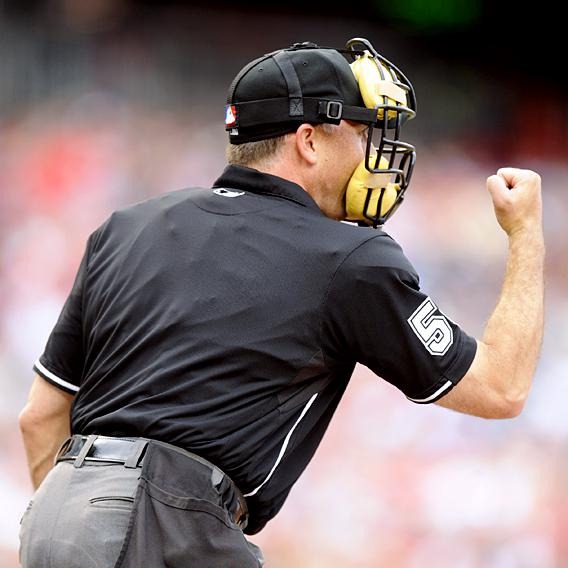
In Little League Majors, a batter can try for first base after an uncaught third strike if first base is unoccupied, or with two outs even when first base is occupied. The Little League parent rules guidance confirms the rule doesn't apply in divisions below Majors.
Little League runners don't have to slide on every play to comply with its contact and interference rules.
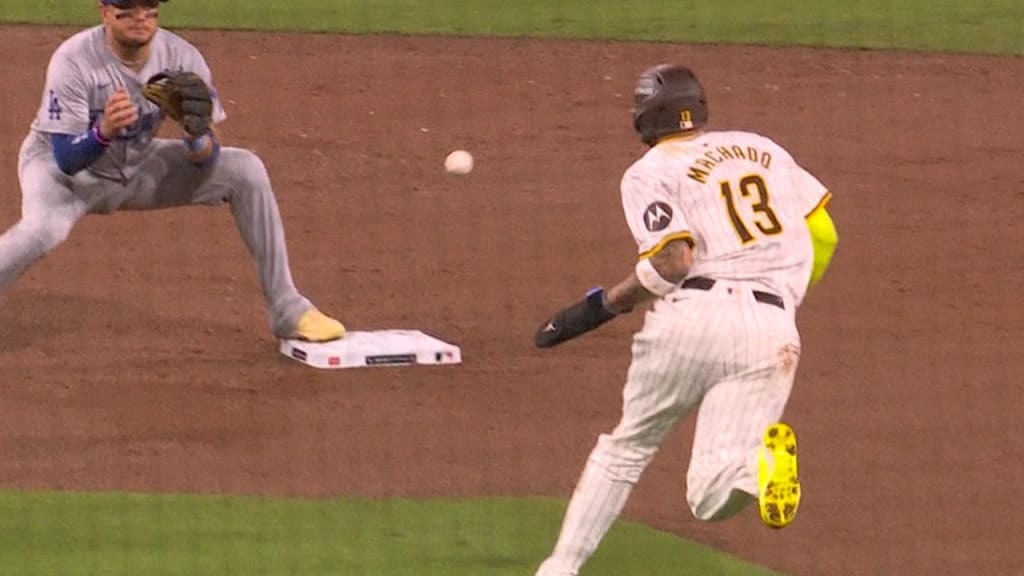
NFHS and Official Baseball Rules treat some balks, obstruction, runner-lane interference and appeals differently.
A Walk-Off That Wasn't Settled: Missed Bases and Appeals
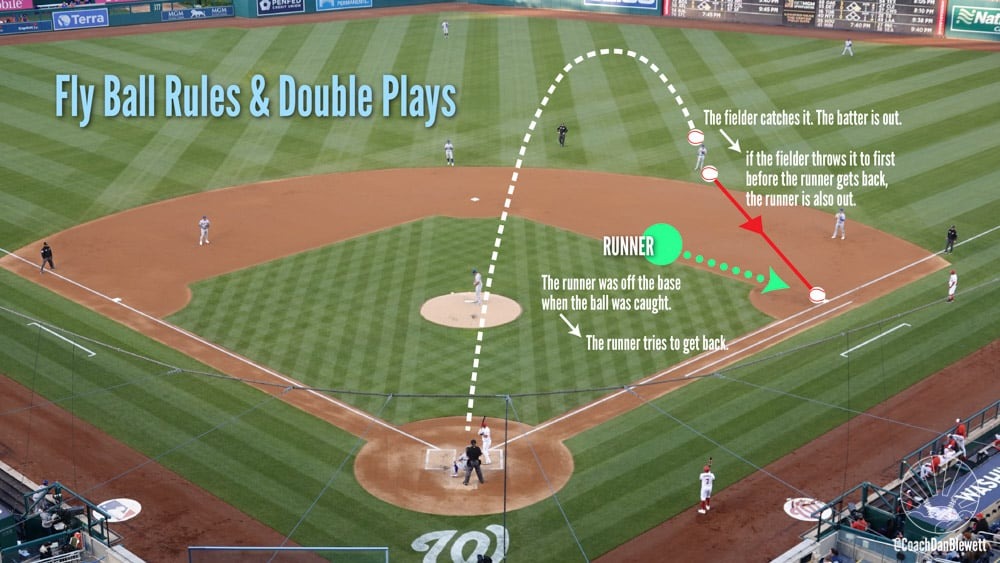
A hit that looks like the end of the game may still be subject to a defensive appeal for a missed base. The legality of that appeal and the kind of third out determine whether the run counts under the governing code.
One r/Umpire post describes a high-school game under NFHS rules. It had reached the ninth inning, beyond the usual seven scheduled innings, with two outs and the bases loaded.
HS game using NFHS rules. Bases loaded two outs bottom 9th. Batter hits a single to the OF runner on 3rd scores to seemingly end the game. Everyone runs onto the field to celebrate. Defensive team recognizes that the runner on 2nd never touched 3rd base. They throw the ball to 3rd and step on the base. Do we have a walk off-game over, or is that an out, and the run does not score, and we go to the 10th? TIA
The post gets no answer. The ruling turns on the appeal's timing and procedure, whether it legally produced the third out, and whether the run still counts.
What Changes in 2027 (and What Doesn't Change Yet)
NFHS announced that, beginning January 1, 2027, high-school baseball must use a double first base or a single first base measuring 18 inches square.
NFHS published commentary on the 2027 baseball rule changes on August 18, 2026.
The NFHS rules commentary also identifies nonwood-bat standards and labeling developments planned for 2028.
Little League's July 7, 2026 bat guidance says the USA BBCOR governance transition doesn't affect the 2026 Intermediate, Junior and Senior tournaments or Little League's 2027 seasons.
A 2026 play must be assessed under the applicable 2026 rules. For later seasons, a dated announcement and the adopted rulebook edition establish whether anything has changed.
A Pregame Rules Checklist That Prevents the Wrong Call
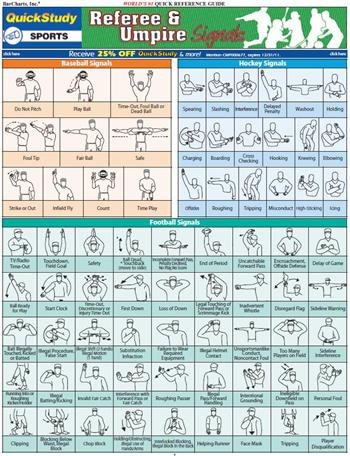
Coaches and umpires working across leagues benefit from a written reference card. It puts the adopted code and any modifications in one place before the first pitch.
| Field | What to record |
|---|---|
| Governing authority | Chartered Little League, NFHS/state association, MLB or a named event code |
| Rulebook year | Edition and season |
| Division or state | Little League division or school state association |
| Game type | Regular season, tournament or another published format |
| Authorized exceptions | Written rules for innings, pitching, lineup, equipment or balk enforcement |
| Rules contact | Designated organizer or umpire authority and where written interpretations are kept |
Consider an umpire assigned first to Little League, then to a youth tournament using NFHS rules with a written balk modification. The card identifies the governing text for each game; any subsequent disagreement follows that event's appeal or protest procedure.