
 Weather: 614-526-6500

You can follow most baseball action by watching the batting side, balls and strikes, outs, and runners reaching home. The top or bottom of the inning tells you whose turn it is; the next pitch tells you what changes.
What are the two teams trying to do?
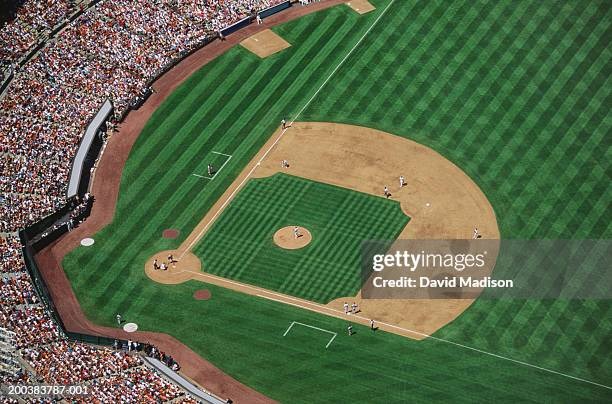
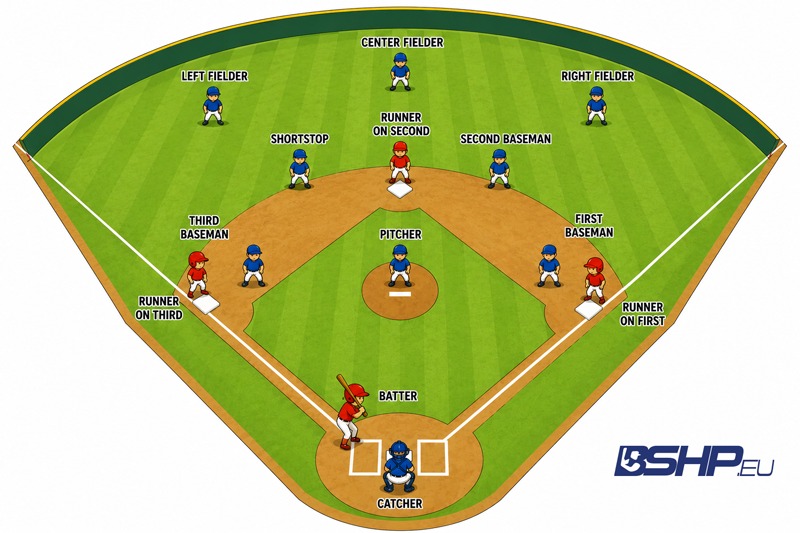
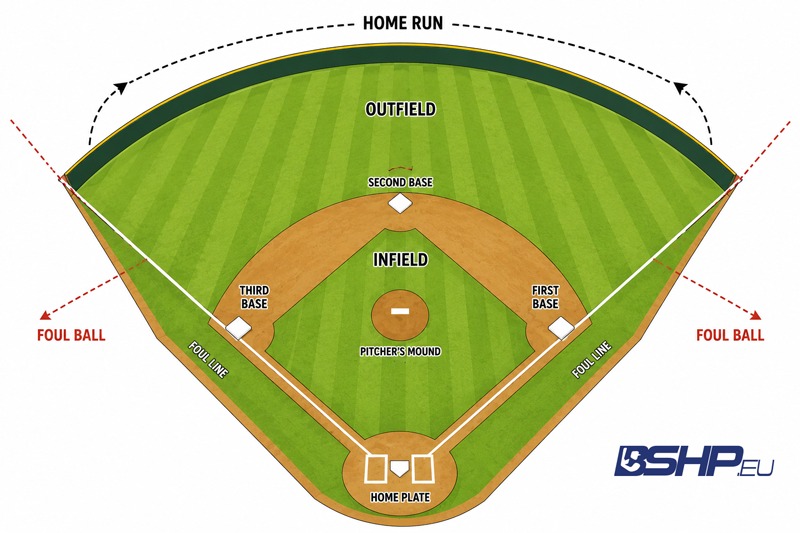
One team bats while the other fields. A run scores when a runner advances through first, second, and third and reaches home plate. The pitcher delivers to the batter, with the catcher and other fielders trying to record outs. The player at home plate is batting for the offensive team.
What is an inning, and why do three outs switch the teams?
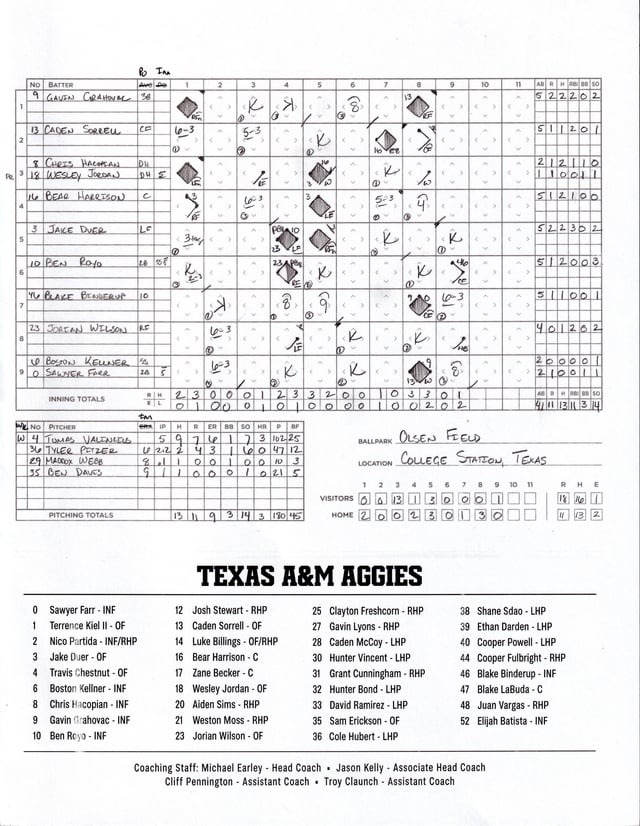
An inning has two halves, so each team gets a turn to bat. The visiting team bats in the top half and the home team bats in the bottom half.
The fielding team needs three outs. After the third, the half-inning ends and the teams switch. The new batting team starts with zero outs, but runs already scored stay on the scoreboard.
Say the visiting team is batting in the top of the second inning with two outs. The next batter hits a ground ball, and the defense throws to first in time. That's out number three. The game moves to the bottom of the second, and the home team bats.
An MLB game is scheduled for nine innings. If the home team leads after the top of the ninth, it doesn't bat again. A tie goes to extra innings.
Youth leagues use other formats, and some games have time limits.
Under Little League's published baseball tournament rules, Little League (Major) games are scheduled for six innings; Intermediate (50/70), Junior and Senior League tournament games are scheduled for seven.
Look for the inning number and the word Top or Bottom, sometimes shown as an up or down arrow. “Top 4th” means the visiting team is batting in the fourth inning. “Bottom 4th” means it's the home team's turn.
What do balls, strikes, walks, and strikeouts mean?
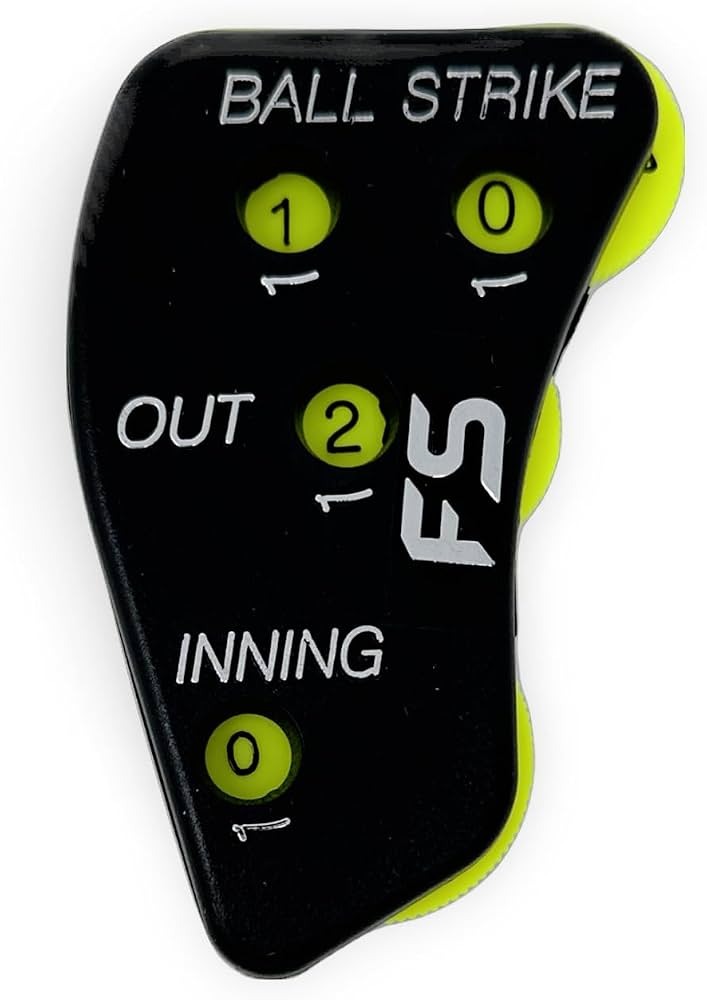
Every pitch can change the batter's count. The count lists balls first and strikes second. When a broadcaster says “the count is two and one,” the batter has two balls and one strike.
A pitch in the strike zone that the batter doesn't swing at is a strike. A swing and a miss is also a strike. A pitch outside the zone that the batter doesn't swing at is a ball.
A new batter starts at 0-0. Here is one possible sequence:
- Ball: The count is 1-0.
- Strike: The count is 1-1, one ball and one strike.
- Ball: The count becomes 2-1.
- Another ball: The count becomes 3-1.
- A called strike: The count becomes 3-2.
Four balls is a walk, and the batter takes first base. Three strikes is a strikeout. Each new batter starts again at 0-0, while the team's outs and runs carry on from their previous totals.
A foul ball counts as a strike until the batter has two strikes. At 0-2, another foul ball leaves the count at 0-2. For details on balls, strikes, and fielding outs, see balls, strikes, fouls, walks, and the third-strike exception.
Can a foul ball ever become strike three when the batter already has two strikes?Yes. A legally caught foul tip can be strike three, and so can a foul bunt with two strikes. Both differ from an ordinary foul ball.
The MLB explanation of foul tips describes the catching requirement. An uncaught third strike has extra rules, so strike three doesn't always put the batter out on the spot.
How does a batter get on base, and what makes an out?
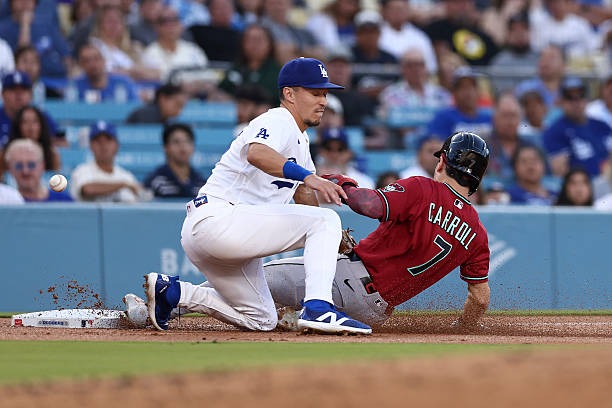
A batter can reach first base safely on a hit or get first on a walk. Fielders can get a batter or runner out with a caught fly ball, a groundout, a tag, or a force play.
Say a shortstop fields a ground ball and throws to first. If the first baseman catches the throw and touches first before the batter arrives, the batter is out. An outfielder who catches a fly ball before it lands also records an out. Both add one out.
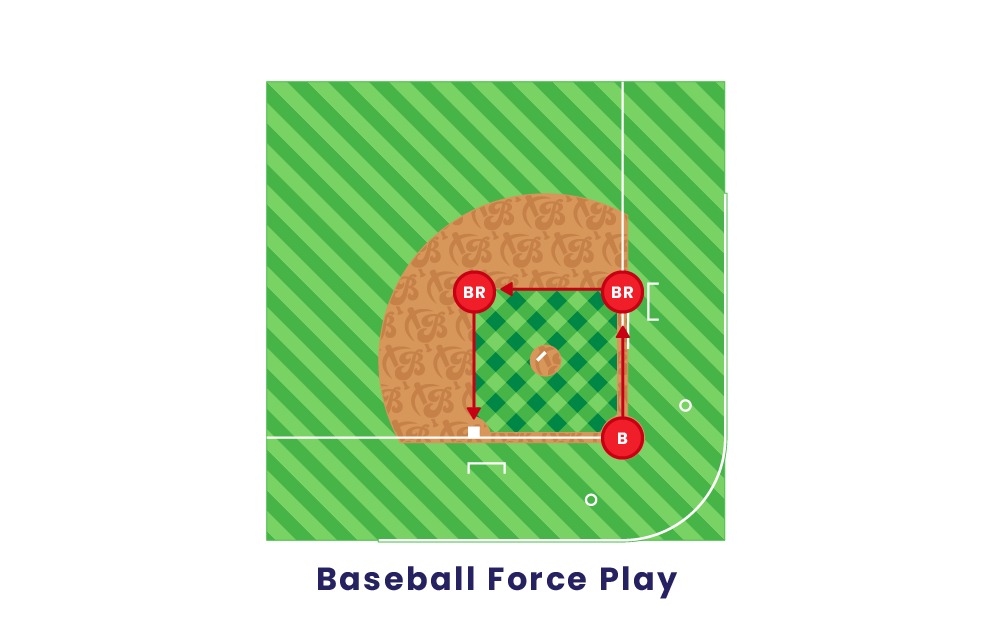
A force play happens when a runner must advance because the runner behind him needs his base. With a runner on first and a ground ball in play, a fielder holding the ball can touch second ahead of that forced runner for an out. A runner who is no longer forced has to be tagged with the ball, or with the glove holding it, while off a base where he is safe. For base runners, force plays and tag-ups, see first, read the play: base, outs, ball and force.
A single play can produce more than one out. Runners already on base can advance or hold, depending on where the ball goes and what the defense does. For the pitcher, catcher, shortstop and every other position, read what each defensive baseball position does.
How does a hit become a run, and how can one play score four?
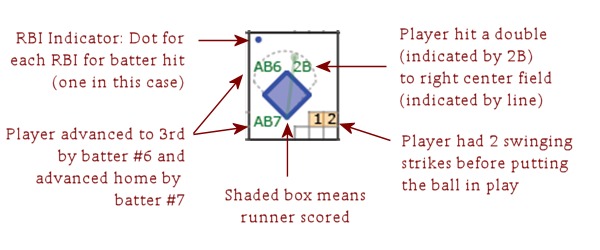
A hit puts the batter on base and can move other runners up. A team scores a run when a runner legally rounds all the bases and reaches home plate.
| What happens | Runs scored on the play | Reason |
|---|---|---|
| Batter singles; existing runner stops at third | 0 | Nobody reaches home |
| Batter singles; runner from third scores | 1 | One runner reaches home legally |
| Batter hits a home run with bases loaded | 4 | Three runners and the batter score |
With runners on first, second and third, a home run that brings all four players home is a grand slam.
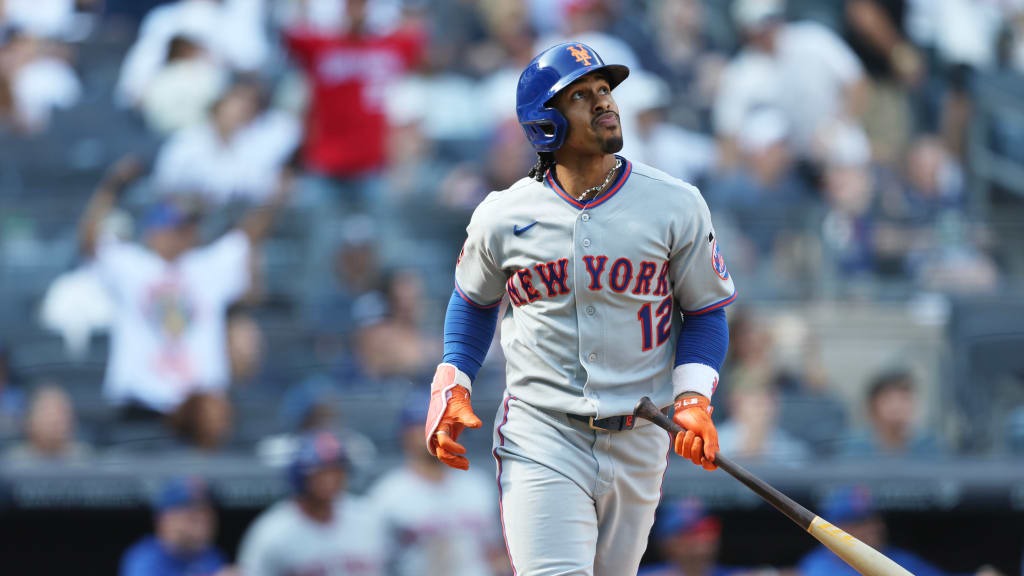
A parent on r/Homeplate shared how his wife explained a grand slam:
Each season you learn a bit more. My wife watched zero sports growing up. Knew nothing of baseball and used to tell me how boring it was. Now she is the #1 fan at the field and watching mlb at home. 2 years ago we were playing a team we were much better than. They started mounting a comeback and we were up 3 runs when a kid hit a grand slam. Devastating. My wife was telling all our friends about the drama and she would explain it like this. "This big kid gets up and hits a home run, ... They scored 4! It was a 4 run home run you guys!". We all tried telling her about 5 times there was a name for that but she was sticking with her "4 run home run". I think she's adopted it now though
If a runner crosses home before the third out, does that run always count?No. If the third out is a force out, or the batter is out before reaching first, the run doesn't count. Other third-out situations depend on the sequence of events and the rules.
How do you read the scoreboard while watching on TV?
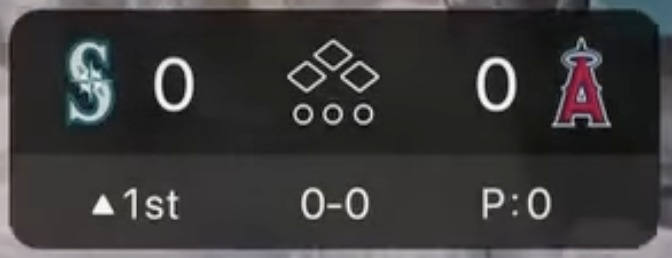
A TV broadcast shows a small scoreboard graphic, often called a scorebug. It puts several kinds of information close together, so the labels matter as much as the numbers.
Consider this fictional broadcast display:
Away: 1 | Home: 0
Top 3rd | B: 2 | S: 1 | Outs: 1
Runner: Second base
| Field | Example shown | What it tells you |
|---|---|---|
| Score | Away 1, Home 0 | The visiting team has one run |
| Inning | Top 3rd | The visiting team is batting |
| Balls and strikes | B: 2, S: 1 | The current batter's count |
| Outs | 1 | One out in this half-inning |
| Occupied bases | Second | A runner is standing on second |
In this display, 2-1 is the batter's count and 1-0 is the score.
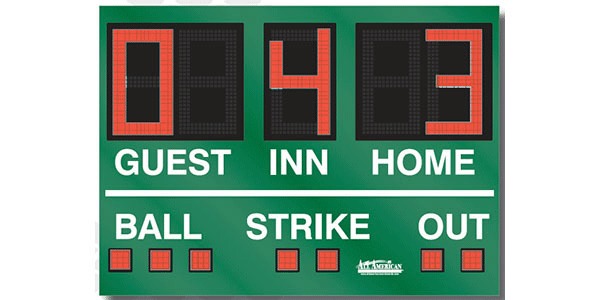
Some broadcasts show only two small circles for outs, which looks odd when three outs end a half-inning. A commenter in r/baseball explained why:
The outs only has 2 circles because the third out will end the half inning and it will reset. Sometimes they have 3 dots and they will fill in all three until they go to commercial break, but I can see how only showing 2 would be confusing if you know that there are 3 outs to be made.
Some graphics reset as soon as the third out changes sides, and others show three indicators. Base colors, arrows, and abbreviations also vary by broadcaster.
Follow a half-inning one play at a time
Now put the pieces together in one example sequence. It starts in the top of the second inning, with the visiting team batting and the score tied 0-0. There are no outs, a runner is on second, and the batter has one ball and one strike.
The next pitch is outside the strike zone, and the batter doesn't swing. The count becomes 2-1, and the runner stays on second. No outs, no runs.
The batter then hits a single. The runner on second moves to third, and the batter reaches first. The next batter starts at 0-0.
That batter singles too. The runner from third scores, the runner from first moves to second, and the batter reaches first. The visiting team leads 1-0 with nobody out.
The table follows the visiting team's run total from the opening situation through each play. Read each row as the state of the bases, outs, and score after that event.
| Event | Count (B-S) | Outs | Occupied bases | Away runs (total) | Next situation |
|---|---|---|---|---|---|
| Opening state, top 2nd | 1-1 | 0 | Second | 0 | Pitch to current batter |
| Called ball | 2-1 | 0 | Second | 0 | Same batter continues |
| First batter singles | 0-0 (new batter) | 0 | First, third | 0 | Next batter up |
| Second batter singles | 0-0 (new batter) | 0 | First, second | 1 | Next batter up |
| Line drive caught | 0-0 (new batter) | 1 | First, second | 1 | Next batter up |
| Strikeout | 0-0 (new batter) | 2 | First, second | 1 | Next batter up |
| Groundout at first | End of half | 3 | None (two runners left on base) | 1 | Change batting teams |
| Bottom of 2nd begins | 0-0 | 0 | Empty | 1 | Home team bats |

The second single brings home the runner who was on third. That changes the visitors' score from 0 to 1 without recording an out; runners finish on first and second. The score follows the runner, not simply the fact that a hit occurred.