
 Weather: 614-526-6500

A runner's decision changes with the batted ball, outs, occupied bases, and league rules. Run through first on a routine trip to first base. Elsewhere, the runner must read forces, caught flies, and the defense before advancing, holding, or returning. Those decisions deserve practice as much as speed does.
First, read the play: base, outs, ball and force
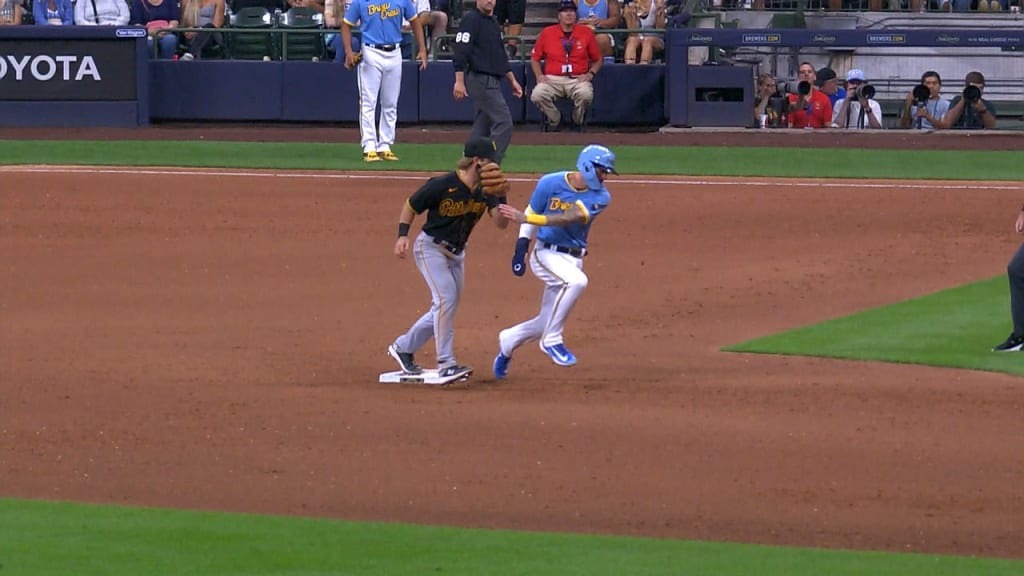
A baserunner should know the occupied bases and out count before the pitch. When the ball moves, the likely next defensive play matters more than simply running toward the next bag. A grounder, caught fly, and passed pitch demand different responses.
Base coaches help with that read. Little League's guidance for base coaches describes common signals: raised arms mean hold, while a rotating or windmill-like motion means go. Your team may use its own signals, so learn the ones your coaches give.
| Play | What matters first | Initial response | What can change it |
|---|---|---|---|
| Batter hits a routine fair grounder | First base is the target | Sprint through first | A real chance to round toward second |
| Runner on first, fair grounder | The batter needs first | Run to second | The force ends if the following runner is put out |
| Runner on second, first empty | No force toward third | Read whether you can advance | Where the defense has the ball |
| Fly ball is caught | Occupied base and outs | Retouch your base before advancing | A third out ends the half-inning |
| Pitch gets past the catcher | Live ball and division rules | Advance if your division allows it | Some youth divisions don't allow this, and the defense may recover the ball quickly |

The two ground-ball rows differ in one way: a runner on first is forced by the batter coming behind, while a runner on second with first empty has a choice.
Run through first base or round it with a reason
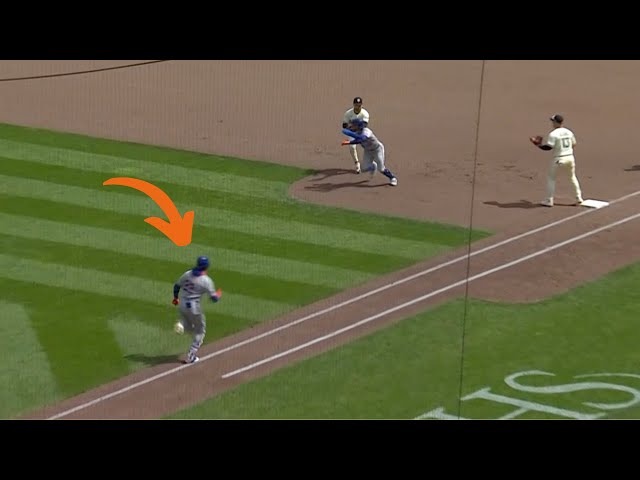
On a normal trip to first, accelerate out of the batter's box and run hard through the bag. Slowing down before you reach it gives the defense more time. Touch first, keep going past it, and return promptly if you're staying at first.
First base has a special overrun-and-return provision. A batter who safely runs past first stays protected while returning promptly, as long as there's no genuine attempt for second. A deliberate attempt to advance exposes you to a tag. Turning left after the bag doesn't make you out by itself; your actions and intent decide.
At second and third, a runner who passes the bag can be tagged while off it. If you're stopping there, stay in contact with the base.
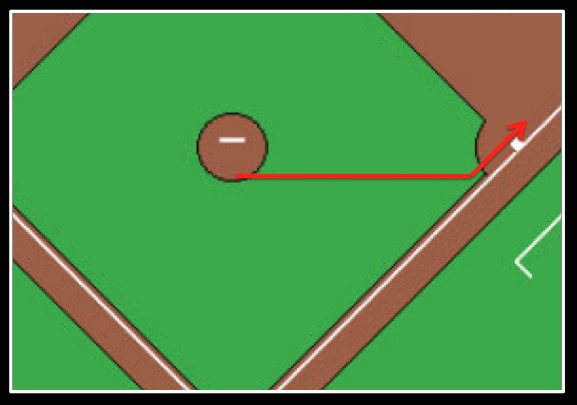
A hit through the defense or into an outfield gap changes the route. If taking second looks realistic, round first wide enough to carry speed toward the next base, and watch the ball and the throw. A wide turn with no chance to advance adds distance and risk. For throwing, hitting and fielding fundamentals, see how to learn the base path before running faster.
The Texas Rangers Youth Academy's 2022 Baseball 101 materials call a curved route around first a “banana” turn, a teaching aid for an intentional advance toward second.
You still have to touch the base. Missing first can lead to an appeal, and passing near the bag doesn't count as touching it.
Ground balls and force plays: when you have to advance
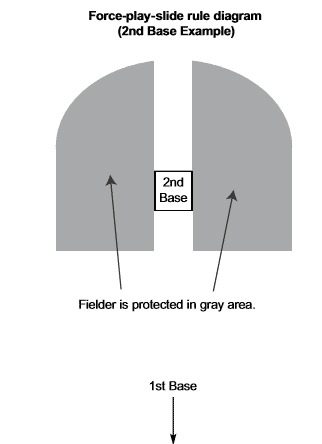
A force play depends on which bases were occupied before the fair ground ball. With a runner on first, the batter's claim to first forces that runner toward second. The defense gets the forced runner out by holding the ball and touching second before the runner arrives. For details on balls, strikes, and fielding outs, see how runners are safe, out, and allowed to score.
Now put the original runner on second, with first empty. First is open for the batter, so the runner on second decides whether advancing to third is worthwhile. A defender needs a tag to get that runner out while they're off a base and not forced.
| Starting runners | Force created by the batter-runner | What the runner should recognize |
|---|---|---|
| First occupied | Runner on first is forced to second | Move toward second and read the play |
| Second occupied, first empty | No force toward third | Advance only when the play supports it |
| First and second occupied | Forces toward second and third | Each runner responds to the force behind them |
Forces disappear as outs are made. If the defense retires the batter at first, the runner who started on first is no longer forced to second, and a tag is needed to retire that runner between bases. This is the force-play distinction in MLB's rules glossary: putting out the following runner removes the force on the runner ahead.
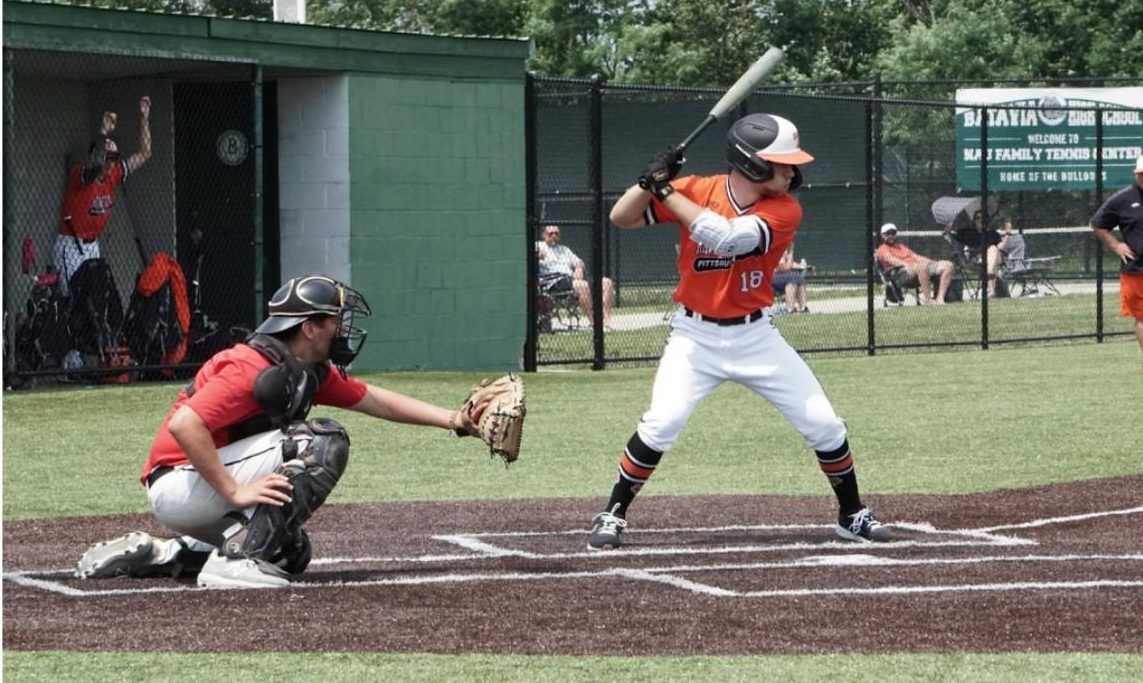
Fly balls and tag-ups: the caught-ball decision

On a caught fly ball, you must retouch the base you occupied when the pitch was thrown before you can advance. If you leave early and don't retouch legally, the defense can appeal.
Picture a runner on third with fewer than two outs. An outfielder catches a fly. The runner retouches third, then decides whether there's time to beat a throw home. A catch with two outs ends the half-inning, so no run can score after it.
If a fair fly ball drops, the play is live. Read where it falls, which bases are occupied, and whether the batter or another runner now creates a force.
The called infield fly is the exception. With fewer than two outs and runners on first and second, or the bases loaded, a fair fly that an infielder could catch with ordinary effort makes the batter out even if the ball drops. The ball stays live, but runners aren't forced to advance.
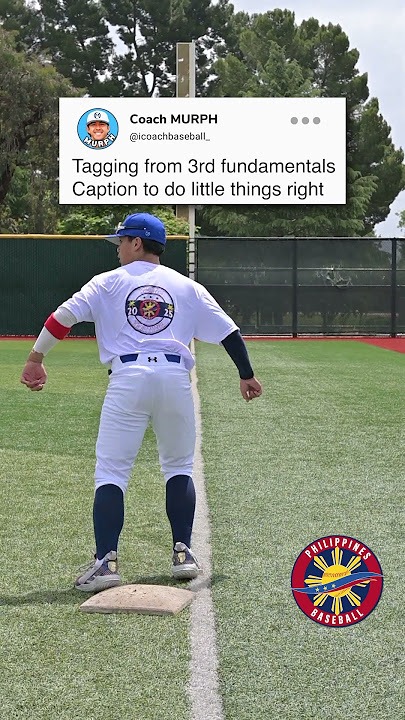
A missed base or an improper retouch can produce an appeal play. The defense has to make the appeal, so a missed touch isn't an out that gets called immediately.
Lead-offs, passed balls and steals: the division decides
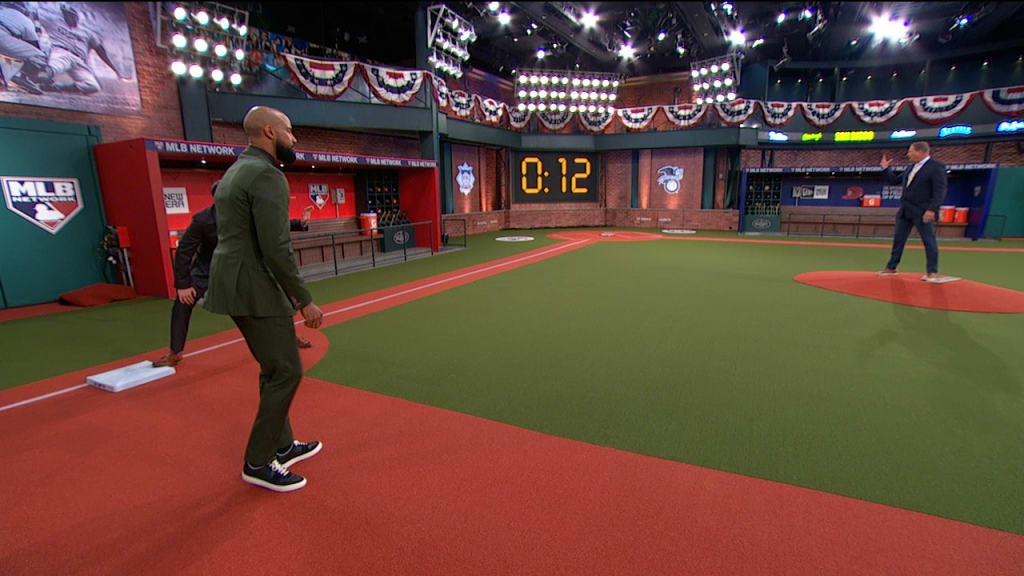
A lead-off is the distance a runner takes from a base before the next play. In Little League baseball's Major Division and below, special leaving-early restrictions limit when runners can leave the base. Other organizations and local instructional divisions apply different rules. To compare Little League, high school baseball, and MLB, see which baseball rulebook applies to a game.
That difference surprised a youth coach who had hoped to teach aggressive running:
I am coaching 10 year old ball this year and was just informed that players cannot leave the base until the ball passes through the strike zone. What can or should we do in terms of teaching baserunning? I was hoping to be aggressive on the bases, but I am not sure if that is possible now. Has anyone found success under these restriction? I am open to any baserunning tips here.
The coach's description reflects that team's rules. Before you tell a runner to steal, identify the league, division, governing rulebook and house amendments. Then check the rules for leaving a base, live and dead balls, and advancement on pitches or throwbacks.
Under Little League's runner FAQs, runners can advance on a passed ball, except where local instructional-minors rules restrict it. The play still needs a read: the ball may roll well behind the catcher, or the catcher may recover it in time to throw.
Sliding, the basepath and the runner's lane
Little League has no universal requirement to slide on every close play. Its sliding guidance explains the duty to slide or attempt to avoid a fielder who has the ball and is waiting to tag you.
The rule on leaving the basepath concerns an attempted tag. The batter-runner's lane near first concerns interference with a fielder receiving a throw, and a runner's-lane out requires the umpire to judge that the batter-runner interfered with the fielder receiving the throw at first.
Obstruction is a fielder improperly impeding a runner, and the umpire rules on it play by play. Avoid unnecessary contact.
Common base-running mistakes and how to fix them
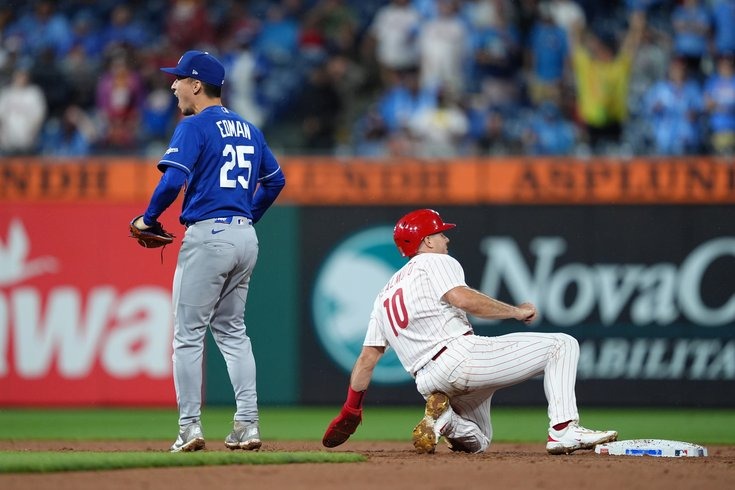
An out on the bases starts with a small mistake earlier in the play: you slow too soon, miss a touch, or commit before locating the throw.
| Mistake | What happens | Practice correction |
|---|---|---|
| Slowing near first | Defense gets extra time for the out | Keep speed through the bag |
| Rounding first automatically | Unnecessary exposure to a tag | Choose the turn from the ball's location |
| Missing the bag | Appeal | Touch the base deliberately |
| Misreading a force | Hesitation or poor direction | Identify which runner must vacate a base |
| Taking an extra base without reading the throw | Tagged out | Locate the fielder holding the ball |
| Leaving early on a caught fly | Retouch appeal | Recognize the catch and retouch legally |
| Losing awareness off first | Pickoff where permitted | Watch the pitcher and defensive positioning |
| Leading when prohibited | Division-specific rules violation | Use the legal position for your division |

Where pickoffs and leads are allowed, a runner can be retired before the next ball is hit. In a recreational youth game, an assistant coach described being caught by surprise after his son reached first:
I was getting the sense that there was more I could be doing base coaching and I've been researching the last few days looking for tips. Last night my son got a decent bomb to inner-center field and advanced to first (super proud of how his batting skills have come along). The other team's pitcher was on fire, which seems to be the norm for this kid and was able to pick off my son at first base. It caught both of us by surprise and I've been beating myself up ever since for not paying better attention.
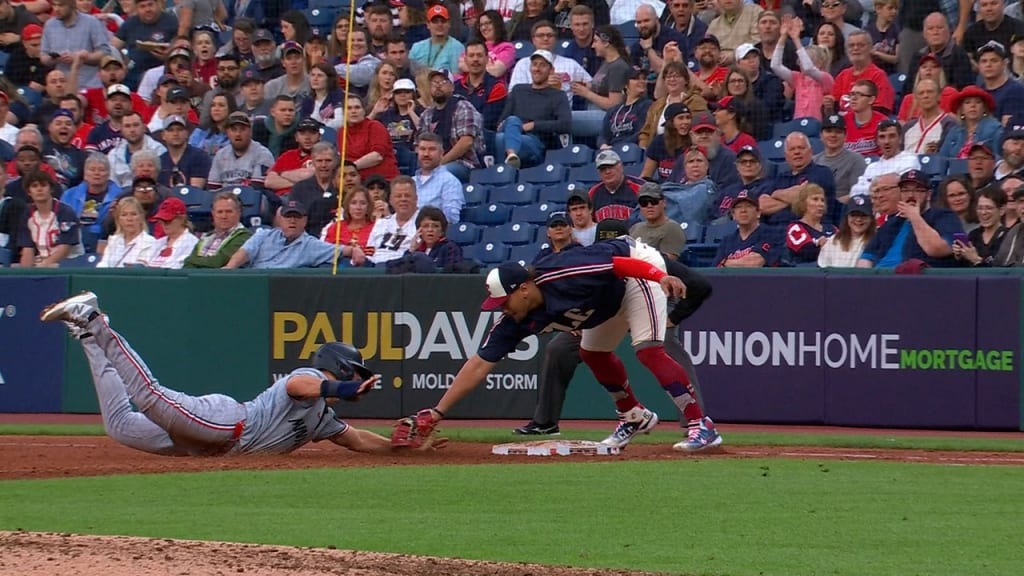
The account goes on to describe a large lead followed by an accurate pickoff. It captures how quickly the situation changes once a runner leaves the bag.
Practice the read before the sprint
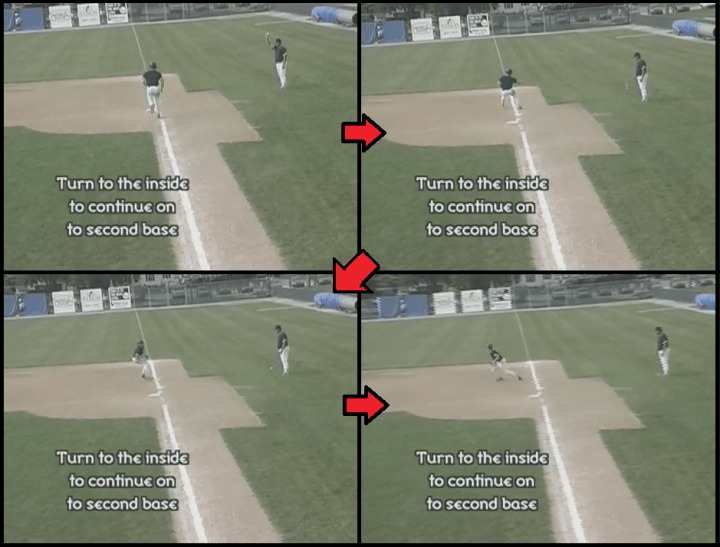
Running an empty diamond teaches route and pace, but not the decision under pressure. A youth-baseball commenter makes the case for rehearsing live reads rather than relying on a coach's late shout:
The vast majority of good baserunning is learned via practice and not from a coaching yelling at third base. By the time you yell go or bingo or whatever, they are actually pretty late. Teaching them the things to look for and then practicing the timing of that either during practice or even during the game will help more than anything.
Set up four short situations. A coach supplies the outs, the occupied bases and what happened to the ball. The runner names the decision before moving, then runs the play at a controlled pace:
- Through first: Call a routine grounder and have the runner choose the route before the first step. Repeat three times: sprint through the bag, touch it and come back promptly.
- Force or choice: Change the occupied base between repetitions and ask the runner to name the force before the ball is hit.
- Caught fly: Supply the number of outs and hold up a card marked caught, dropped or uncertain. On a catch, the runner chooses between a scoring attempt and staying at the base. On a drop, the runner reads the live play.
- Outfield gap: Simulate a hit into the gap; the runner decides whether an intentional round toward second makes sense.

Ask what the runner noticed after each repetition. If they miss a cue, make the situation easier to read and replay it until they can explain both the likely defensive play and their response.