
 Weather: 614-526-6500

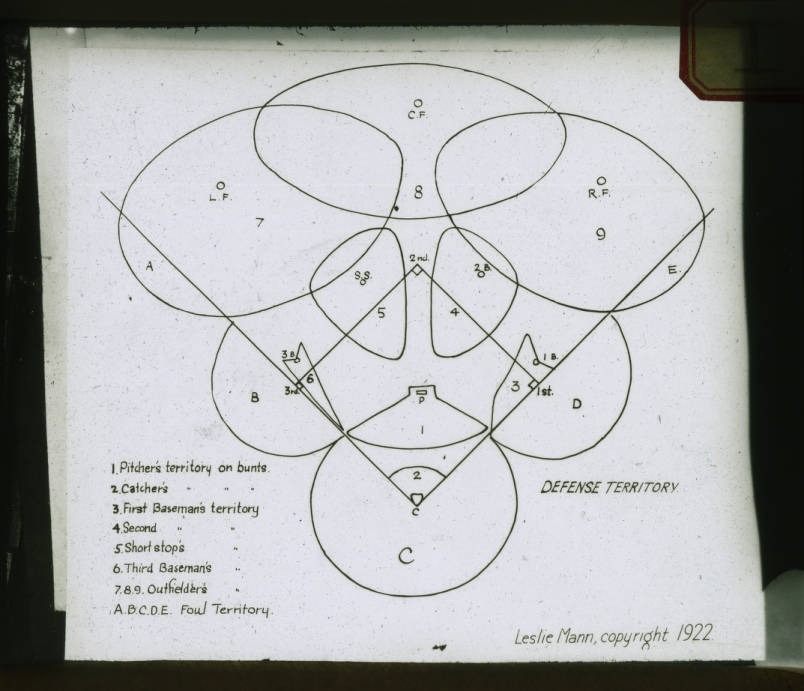
Nine players make up a standard baseball defense: pitcher (1), catcher (2), first baseman (3), second baseman (4), third baseman (5), shortstop (6), left fielder (7), center fielder (8), and right fielder (9). Some youth leagues use a tenth fielder under their own rules.
Where the Nine Defensive Baseball Positions Are
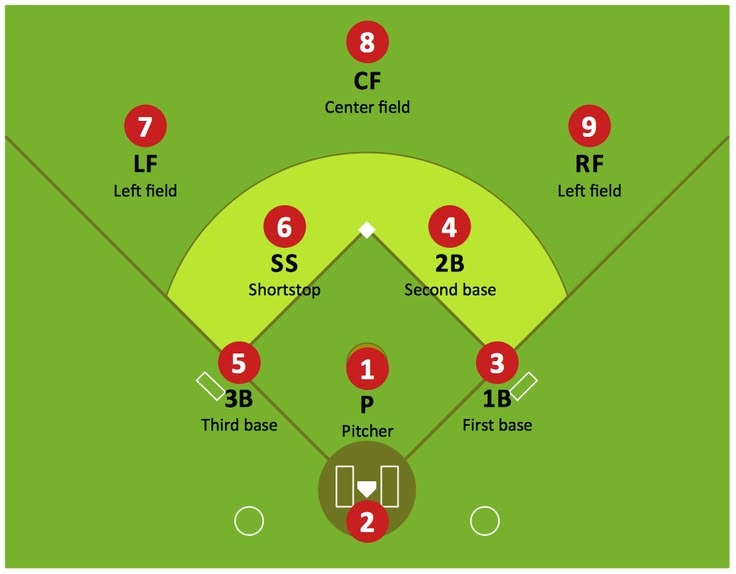
The view from behind home plate makes the layout easier to understand: first base is to the right, third base to the left, with the outfield beyond the diamond. The nine defenders belong to three groups—the battery, infield, and outfield.
The pitcher (P) works around the mound, and the catcher (C) sits behind home plate. Together they're the battery. Four infielders cover the diamond: the first baseman (1B) near first, the second baseman (2B) between first and second, the shortstop (SS) between second and third, and the third baseman (3B) near third.
Beyond the infield, the left fielder (LF) covers the third-base side, the center fielder (CF) covers the middle, and the right fielder (RF) covers the first-base side. These are starting spots, and players shift with the batter and runners. The MLB position glossary uses the same nine-role system.
Baseball Position Numbers 1 to 9 (and How to Read 6-3)
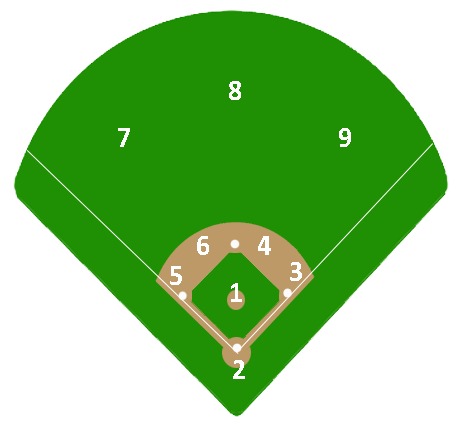
Fielding numbers are scorekeeping codes for positions. They have nothing to do with jersey numbers or the batting order. Shortstop is 6, even though the shortstop starts between second and third base.
The complete key is: 1 P; 2 C; 3 1B; 4 2B; 5 3B; 6 SS; 7 LF; 8 CF; 9 RF.
If the shortstop fields a grounder and throws to the first baseman, who completes the out at first, the scorebook reads 6-3. The first digit is the shortstop and the second is the first baseman. MLB's scorekeeping glossary explains this shorthand.
What Each Baseball Position Does
Each fielder has a usual area and two jobs: handle balls hit nearby, and support the play when a teammate gets there first. The supporting job counts even when the player never touches the ball.
| No. | Position | When the ball comes their way | When a teammate handles it |
|---|---|---|---|
| 1 | Pitcher (P) | Delivers pitches and fields balls near the mound | Covers a base or backs up a throw |
| 2 | Catcher (C) | Receives or blocks pitches and fields balls around home | Talks to teammates and takes throws near the plate |
| 3 | First baseman (1B) | Fields balls on the first-base side | Takes throws for outs at first |
| 4 | Second baseman (2B) | Fields grounders between first and second | Covers a base or takes a double-play feed |
| 5 | Third baseman (3B) | Reacts to hard grounders and bunts near third | Covers third and takes throws as runners advance |
| 6 | Shortstop (SS) | Fields grounders between second and third | Covers second or feeds another infielder |
| 7 | Left fielder (LF) | Catches fly balls and retrieves hits in left | Throws toward the infield or backs up nearby fielders |
| 8 | Center fielder (CF) | Tracks fly balls and hits through the middle and gaps | Calls for shared fly balls and helps on return throws |
| 9 | Right fielder (RF) | Catches and retrieves balls in right | Returns throws and backs up plays toward first |
On a sharp grounder to third, the third baseman gathers the ball while the first baseman gets ready for a long throw. On a ball chopped near the mound, the pitcher becomes the fielder. The catcher stays in the play when a throw or runner creates one around home. Runners and outs follow their own rules, covered in how runners are safe, out, and allowed to score.
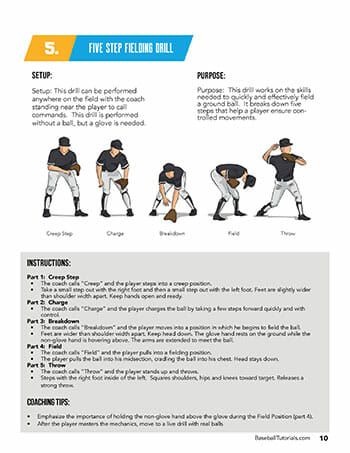
- Field: Reach and control a batted ball.
- Cover: Move to the base or space where a play may develop.
- Receive: Get ready for a teammate's throw.
- Back up: Position behind a throw or another defender in case the ball gets through.
Shortstop vs. Second Base, and Center vs. Corner Outfield
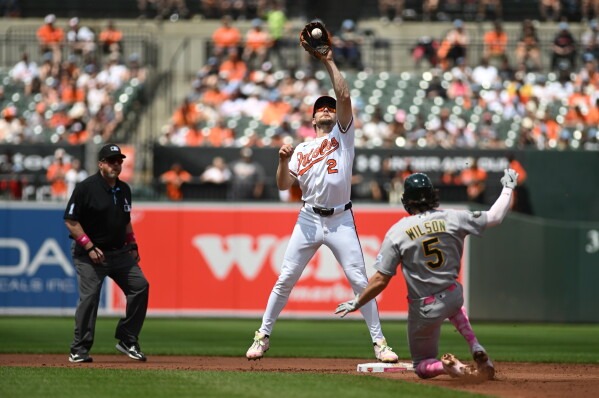
Both middle infielders field ground balls and turn double plays. Balls toward first belong to the second baseman, and balls toward third belong to the shortstop. Near second base, the player taking the ball and the player covering the bag can be different people. For more on ground balls, fly balls and infielders, see how to field a routine ground ball.
| Fielder | Play to recognize | Changing responsibility |
|---|---|---|
| Second baseman / shortstop | One of them fields a grounder with a force available at second | The other covers the bag and takes the throw |
| Center fielder | Fly ball into left-center or right-center | Talks with the corner outfielder heading for the same ball |
| Left fielder | Fly ball toward the left-center gap | Works out the catch with center and supports the next play |
| Right fielder | Fly ball toward right-center or a deep hit to right | Works out the catch with center and makes the throw toward third |
A fly ball into right-center sends both the center fielder and the right fielder toward the same spot. One calls for the catch, and the other stays close in case the ball drops or a throw follows. Each team has its own call for who takes it.

MLB's description of right field includes throws toward third base. The angle and distance of that throw explain why right field and left field have different routes back to the infield.
Two Plays That Show How Fielders Work Together
Play 1: A grounder from shortstop to first
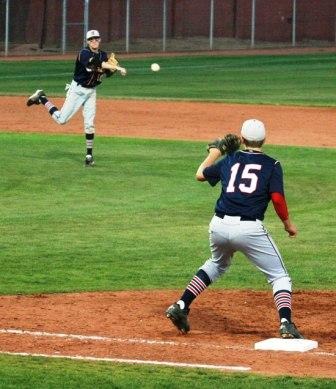
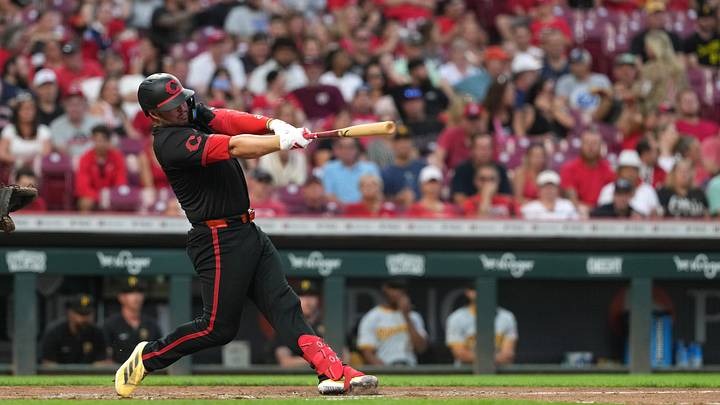
A ground ball goes between second and third. The shortstop charges in, fields it and throws across the diamond. The first baseman moves into position to take the throw. If the first baseman controls the ball while touching first base before the batter-runner arrives, the out goes in the book as 6-3.
While that throw travels, the right fielder moves behind first base to back it up. If the ball gets past the first baseman, the right fielder is in position to recover it. Wilton Little League's coaching manual includes right-field backup on throws to first.
Play 2: A 6-4-3 double play
Put a runner on first base with fewer than two outs. A grounder reaches the shortstop, who fields it and throws to the second baseman covering second. The second baseman catches the throw and touches second base before the runner from first arrives. That's one out. Then the second baseman relays the ball to first. If the first baseman controls it while touching first base before the batter-runner arrives, that's two outs: a 6-4-3 double play.
If the relay is late or a throw gets away, the defense gets just one out, or none.
Is There a Tenth Baseball Position?
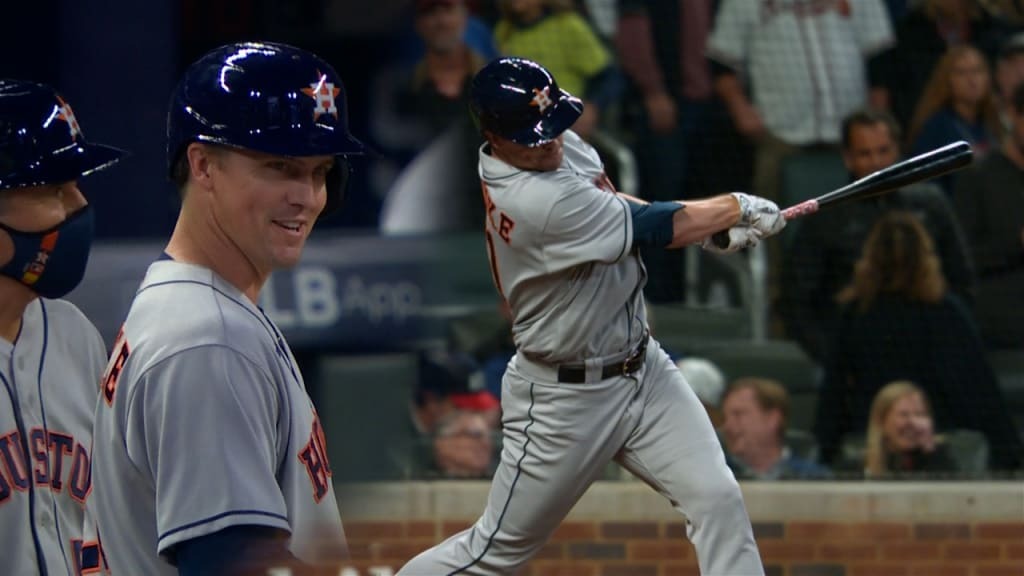
A designated hitter (DH) fills a batting role where the rules permit it. It isn't a tenth defensive position. Some youth games do use a real additional fielder, such as a short fielder or fourth outfielder, and Little League's Scorekeeping 101 describes a position numbered 10 in those situations. If a lineup has an extra name, the league or game rules say whether that player bats or plays defense.
Which Position Should a Beginner Try First?
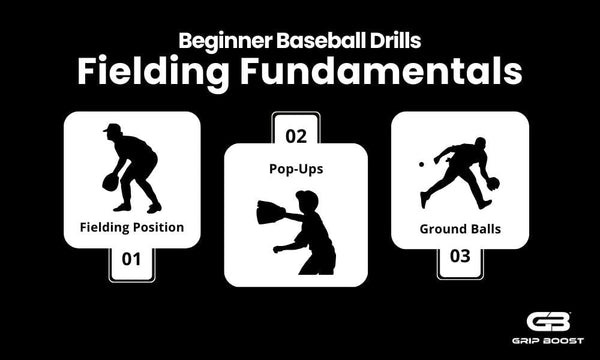
Some players enjoy tracking fly balls in the outfield; others prefer fielding grounders near the bases or learning how pitchers and catchers work together. Coaches can help mixed-ability groups explore those roles through one adjustable baseball drill with three variations.
Every outfield job involves reading the ball, making throws and helping teammates. Moving from center field to shortstop changes the kind of batted ball the player reads and how they work around the bases.
In practice, a player can try several positions, while game lineups follow the team's format and the coach's decisions. A parent or beginner can ask the coach for one role to try and what happens when a ball comes into that area.
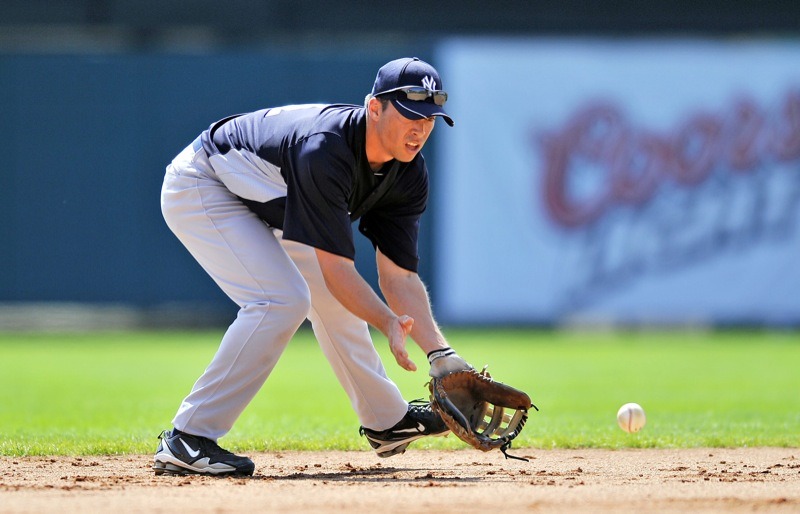
A grounder from shortstop to first offers a useful way to see the positions in action: notice who fields the ball, who takes the throw, and who backs up the play.