 Weather: 614-526-6500

USABat and BBCOR eligibility follows the baseball organization, division, and season. Little League Minor and Major use USABat; Intermediate (50/70) and Junior allow a compliant USABat or BBCOR; Senior requires BBCOR for nonwood bats. Other organizations differ, with NFHS changes beginning in 2028 and an NCAA new-mark requirement beginning in 2029. The bat's actual marking and status must match the applicable rules.
Which bat is legal in Little League baseball?
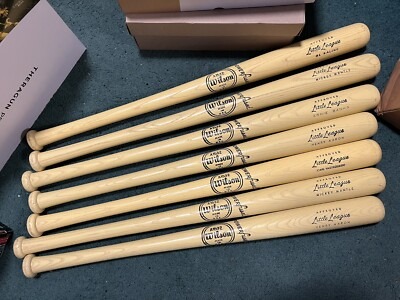
The division matters as much as the league name. A child competing on two teams may need different approved bats during the same year.
The table below covers Little League baseball's 2026 and 2027 certification options for non-wood bats. Tee Ball and solid one-piece wood have their own conditions, explained further down.
| Little League division | Accepted non-wood certification | What it means |
|---|---|---|
| Tee Ball | Approved Tee Ball USABat marking, plus the youth-bat allowances | Special bat and ball restrictions |
| Minor League | USABat youth | USSSA 1.15 BPF can't substitute |
| Major League | USABat youth | BBCOR isn't a general alternative |
| Intermediate (50/70) | USABat youth or BBCOR .50 | Either compliant certification works |
| Junior League | USABat youth or BBCOR .50 | Either works under standard Junior rules |
| Senior League | BBCOR .50 for bats not made from a single piece of wood | Youth USABat alone doesn't qualify |
These division rules come from Little League Rule 1.10. Its solid one-piece wood exception and size limits still apply.
Say your son shows up to a Major Division game with the USSSA bat you bought for travel ball. Price, brand and sizing don't matter. Without the USABat mark, it's out. A Junior League player has more room, since standard division rules accept either a compliant USABat or BBCOR. For baseball gloves, youth bats and batting helmets, see how to check your bat's league approval before judging its size or price.
Age or the label “travel ball” won't tell you which rules apply.
What USABat, BBCOR, USA BBCOR and USSSA stamps mean
People treat four labels as interchangeable, and they aren't. Youth USABat and the newer USA BBCOR certification are different categories, even though USA Baseball is involved in both.
| Mark on the bat | What it identifies | Watch for |
|---|---|---|
| USA Baseball / USABat youth | Youth performance certification adopted by participating leagues in 2018 | No general drop-weight limit in the youth standard |
| BBCOR Certified .50 | Legacy BBCOR .50 certification | Accepted in certain older-player divisions and school competition |
| USA Baseball BBCOR Certified .50 | New USA Baseball-administered BBCOR certification | Same .50 performance class, different mark |
| USSSA 1.15 BPF | Separate USSSA certification | Acceptance depends on USSSA division and event rules |
BBCOR is a performance standard. The USA BBCOR transition changes who administers certification and how bats are labeled. USA Baseball describes the underlying .50 standard as unchanged, so a new logo doesn't mean a more powerful bat.
USSSA 1.15 BPF comes from a different sanctioning system. A USSSA bat can qualify for a travel tournament and still be ineligible in Little League Major or Minor. Paint, barrel size and product line tell you nothing about the certification, so read the stamp.
One longtime wood-bat player, now shopping for his kids, described how disorienting the newer terminology felt:
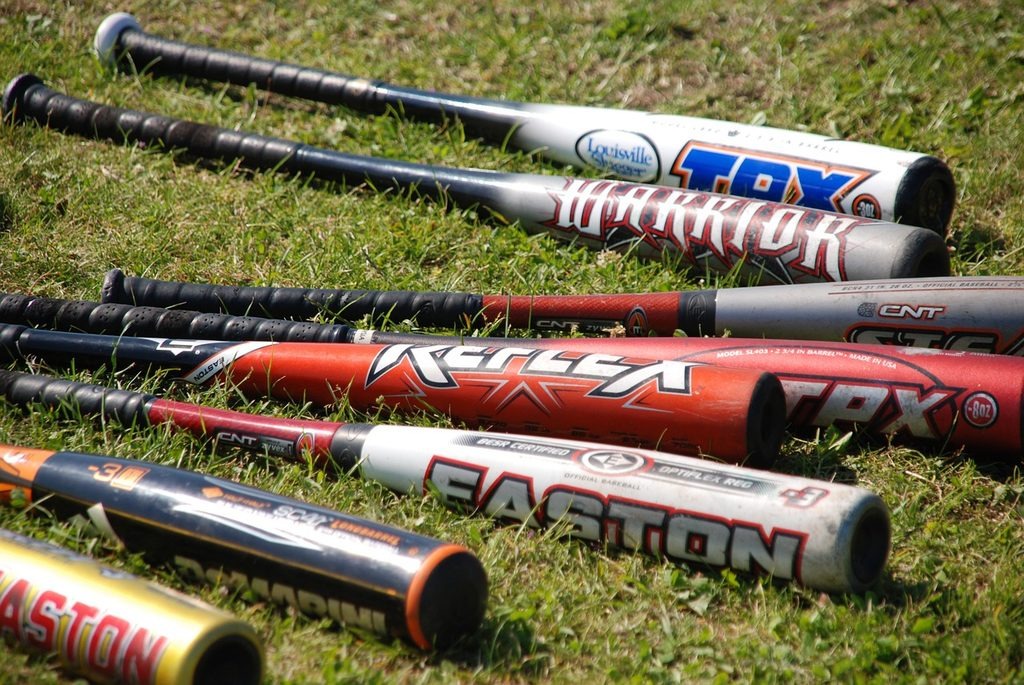
Title says it all. Can somebody please explain the evolution/current state of bats to me? I constantly hear people going on about BBCOR, USSSA, BESR, 2-piece, etc etc etc. I never feel like I get a complete explanation of the current state of the market. For context, I understand baseball deeply. I’m a highly experienced player; I have been in wood bat leagues for many years. My high school/college career was in the muscle-car era of big bomber aluminum bats (late 90’s/early 2K’s) - TPX, C-Core, and Reflex first hit the market in my day. The last metal bat I owned was a -5 Easton Reflex, (which I sure as hell would like to have back haha). Lots of models and regulations have come and gone since then. Now my kids are getting into the sport and I need to figure it out because I can’t keep up in conversations about it. Thanks for any help.
He lumps BESR, BBCOR and two-piece bats together, but they're three different things: a historical standard, a certification and a construction style. Only the league's certification rules decide game eligibility.
Little League exceptions for wood, Tee Ball, length and drop
A certification mark isn't enough. The bat also has to meet your division's size limits and special-use conditions. Little League Rule 1.10 sets different limits for Tee Ball, the younger divisions and Senior League.
- Tee Ball: Designated Tee Ball bats are 26 inches or shorter and carry the approved-Tee-Balls-only marking. They can be used in the coach-pitch or machine-pitch Minor setting the rule specifies, but only with approved Tee Balls.
- Minor and Major: Maximum length is 33 inches, and maximum barrel diameter is 2⅝ inches.
- Intermediate and Junior: Maximum length is 34 inches. The barrel limit stays at 2⅝ inches.
- Senior: Maximum length is 36 inches, and maximum barrel diameter is 2⅝ inches. The bat's length-to-weight difference can be no greater than −3. A bat not made from a single piece of wood must also be BBCOR certified.
- Solid one-piece wood: A permitted one-piece wood-barrel bat doesn't need the youth USABat certification logo. Division size limits, the Senior weight restriction where it applies, and equipment-condition rules still apply.
Drop weight is the difference between a bat's length in inches and its listed weight in ounces. A 33-inch Senior bat must weigh at least 30 ounces under the −3 rule. The youth USABat certification itself has no universal drop-weight limit.
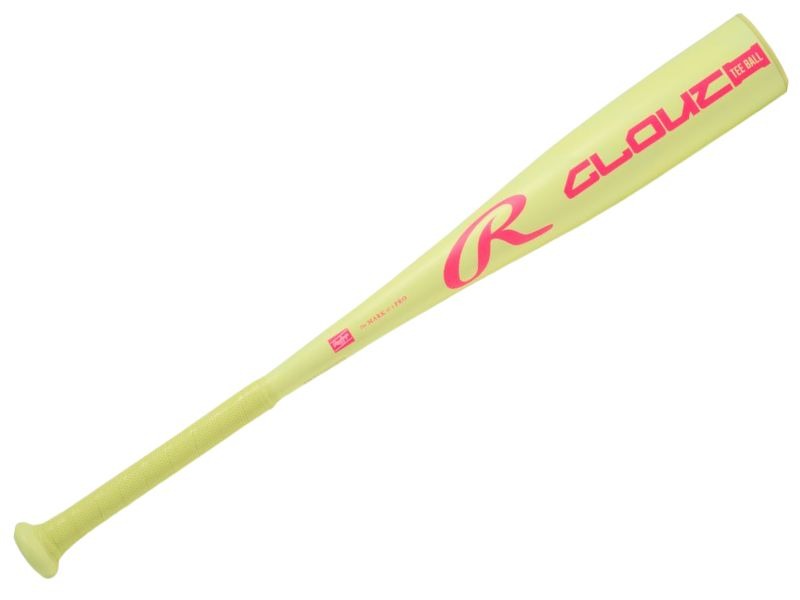
A 25-inch designated Tee Ball bat meets the length condition, but the approved-ball restriction keeps it out of ordinary hard-baseball pitching.
Where the division requires a particular drop, measure the bat's length, barrel diameter and listed weight, then compare them with the limits above before you choose.
What changes for high school in 2028 and college in 2029?
High school and college are changing in different ways. NFHS expands its permitted certification categories beginning January 1, 2028. NCAA moves toward requiring USA BBCOR certification on non-wood bats beginning January 1, 2029.
USA Baseball announced on July 2, 2026 that it would take over administration of BBCOR certification. The governing bodies then set separate effective dates for competition use.
| Effective date or season | Organization | Announced eligibility change |
|---|---|---|
| January 1, 2028 | NFHS high school | Existing BBCOR .50, USA BBCOR .50, and specifically marked USA Baseball −4, −5 and −6 categories permitted |
| 2028 season | NCAA | USA BBCOR accepted while legacy BBCOR stays eligible during the transition |
| January 1, 2029 | NCAA | USA BBCOR certification required for non-wood bats |
Under the announced NFHS policy, previously certified BBCOR .50 bats stay eligible indefinitely if they're otherwise compliant.
The new high-school −4, −5 and −6 categories need the specifically authorized certification marking. A youth USABat with the same drop number isn't automatically admitted to NFHS play under the 2028 announcement.
NCAA's announced grandfathering covers legacy BBCOR bats through the 2027 and 2028 seasons, then the rule for non-wood bats changes in 2029.
USA Baseball scheduled retail availability of newly certified USA BBCOR bats for July 1, 2027. Retail availability comes before the announced 2028 eligibility date.
Little League separately stated that the BBCOR administration change left its 2026 tournaments and 2027 seasons unchanged. The standards transition and specific effective dates are explained in USA Baseball's BBCOR guidance.
USSSA, Cal Ripken and players in more than one league
A bat can be legal in one competition and fail another's equipment rules. If your player moves between Little League, school baseball and travel tournaments, compare the certifications each event permits. For Little League, high school baseball and MLB, see bats, helmets, playing time and substitutions.
USSSA and Babe Ruth/Cal Ripken run separate baseball programs, each with its own divisional requirements.
| Organization or division | Accepted bat | Watch for |
|---|---|---|
| USSSA 13U, 2026 | USSSA 1.15 BPF or eligible USA Baseball-marked bat; maximum drop of −8 | USA Baseball-marked bats qualify where BBCOR isn't required. At the 13 Majors Elite World Series, permitted categories are −5, BBCOR or wood. |
| USSSA 14U, 2026 | National baseline: −3 BBCOR or permitted wood | −5 is allowed only where the state has opted into that exception and the event permits it. At 14 Majors Select Super NITs, Super NITs and Elite World Series, BBCOR or wood is required. |
| Other USSSA baseball divisions | Properly marked USA Baseball bats can qualify | Division and drop rules apply; events that require BBCOR are excluded |
| Cal Ripken Baseball | USA Baseball-marked bats | BBCOR and USSSA markings aren't approved substitutes |
| Babe Ruth Baseball 13 to 16 | USA Baseball mark or BBCOR .50 | Check your Babe Ruth division's requirements |
The national USSSA provisions are in Rules 7.01.C and 7.01.D of the official baseball rulebook. The 14U provision takes effect January 1, 2026.
The 13 Majors Elite World Series restriction is narrower than USSSA's general 13U maximum-drop rule. The 14U state exception is conditional too, so a −5 bat isn't approved at every 14U tournament.
Say your player uses a compliant youth USABat in Little League Intermediate, then enters a USSSA 14U event outside a state that permits the −5 exception. The tournament's national BBCOR-or-wood baseline rules that bat out. If your family wants to use one bat, both schedules matter.
When you play in several leagues, set each event's permitted marks and restrictions side by side. If no single bat meets every set, you need separate bats. Ask the organizer about event-specific rules the national text leaves open.
Check the exact model, marking and condition
A legal certification category can still contain a decertified or noncompliant bat. Little League specifically lists the 30-inch Easton Ghost X −10 with a 2⅝-inch barrel, model YBB18GX10 / LL18GHX. The notice doesn't ban every Ghost X length or model.
Compare your bat's permanent mark, model number and length with the Little League decertified-bat notices and the USA Baseball list.
Then inspect the bat for illegible marks, cracks, sharp edges or alteration. Rule 1.10 requires disqualifying bats to be removed, and any further consequence depends on the violation.
A legal BBCOR bat may still be difficult to swing
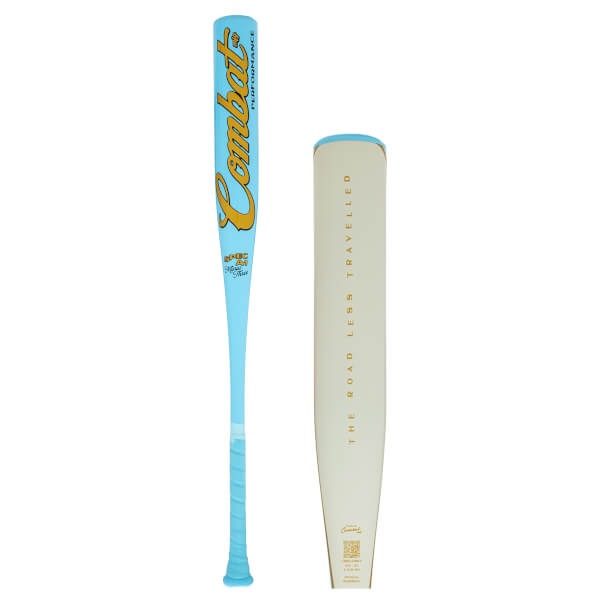
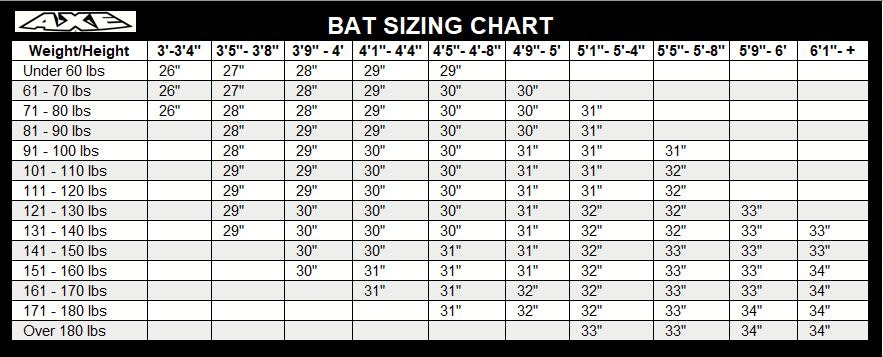
After eligibility comes a personal question: can your player control the bat? Listed drop and length give the bat's nominal weight, while balance decides how heavy it feels in the swing. For more on bat length, swing weight and league standards, see checking league bat rules before choosing a size.
A 29-inch −3 bat is listed at 26 ounces. A 30-inch −3 bat is listed at 27 ounces. Two bats with the same length and weight can feel different if one carries more mass toward the barrel.
One parent described the difficulty of moving a small player into a locally combined Little League Junior/Senior division:
My son is 12 with a summer birthday so for little league he has to move up and they combine junior/senior league. He is only 5’1 and about 73lbs ... so am looking for recommendations as to what will be the lightest bat for him-and should I get a 29 inch or 30 inch? ... worried about him having the ability to actually swing a heavier bat. Thanks in advance.
The parent's example concerns a combined local division. Under the standard Little League Junior rules, a compliant USABat or BBCOR is permitted; a different twelve-year-old may therefore have different options.
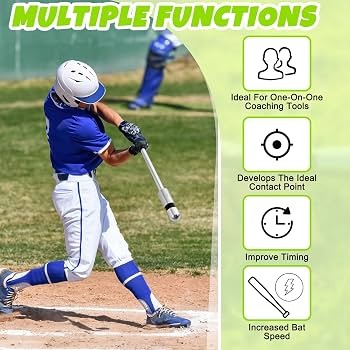
After narrowing the options to approved bats, have the player compare control and balance through actual swings.
Certification marks are only one part of the final inspection. The exact model, its current decertification status, and the effective rule year also determine whether the bat can be used in the game ahead.