 Weather: 614-526-6500

For a first recreational baseball practice, a well-fitting glove, comfortable practice clothes, suitable shoes, and water cover most personal needs. The checklist separates those basics from bats, helmets, uniform pieces, and protection that depend on team inventory and the division's rules.
What does a first-time youth baseball player need?
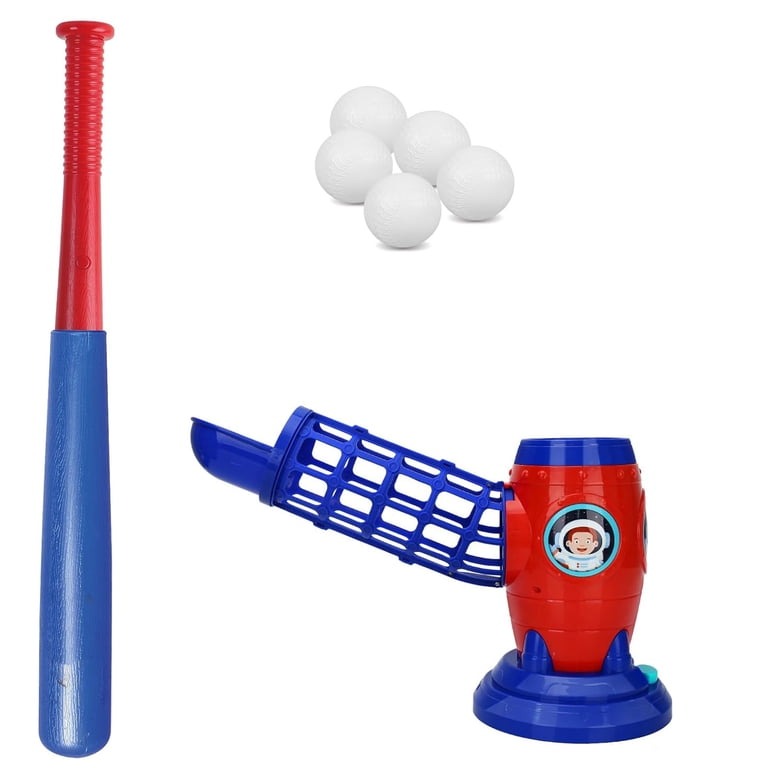
The table sorts equipment by action: bring it, use team stock, verify the requirements before buying, or wait.
| Equipment | Bring or wear | Team may supply | Confirm first | Buy later |
|---|---|---|---|---|
| Fielding glove | ✓ | |||
| Practice clothes | ✓ | |||
| Suitable athletic shoes | ✓ | ✓ | ||
| Filled water bottle | ✓ | |||
| Baseball bat | ✓ | ✓ | ||
| Batting helmet | ✓ | ✓ | ||
| Baseballs | ✓ | |||
| Catcher's equipment | ✓ | ✓ | ||
| Uniform pieces | ✓ | ✓ | ||
| Protective cup | ✓ | |||
| Batting gloves | ✓ | |||
| Dedicated equipment bag | ✓ | |||
| Personal batting tee or net | ✓ |
"Team may supply" identifies equipment that might already be available; "Confirm first" marks items whose necessity depends on the rules or the player. Neither label automatically means "buy."
Little League's guidance names a fielding glove and suitable athletic footwear as the items players bring to games and practices.
One parent described the shopping dilemma:
y youngest is starting Little League this spring and it’s completely new to us. None of us in the family grew up playing baseball, so I feel like I’m learning everything from scratch. Do kids usually need their own bat, glove, helmet, etc., or does the team typically provide some of that? I don’t want to show up unprepared, but I also don’t want to buy a bunch of stuff we might not actually need. Any tips for first-time Little League parents would also be appreciated!
What will your league provide, and what should you ask the coach?
Little League requires its local leagues to provide bats, baseballs, catcher's equipment and batting helmets for regular-season team use.
The Little League parent equipment guide explains how that shared equipment relates to what families bring themselves.
Ask the coach these six questions, using the registration message, the league equipment page or a single note:
- Division and rules: Are we in tee ball, coach pitch or player pitch, and which organization or division rules apply?
- Shared batting equipment: Are team bats and properly fitting helmets available at every practice and game?
- Personal protection: Does the league require any personal helmet, cup or other protection?
- Uniform: Which uniform pieces and team colors are provided?
- Footwear: Are regular sneakers acceptable, or are molded cleats expected at our field?
- Equipment assistance: Do you have loaners, hand-me-downs, swaps or an equipment-assistance contact?
A team bag can be full of helmets and still have none that fits your child. A personal helmet is reasonable when shared sizes don't work or your child prefers the same helmet each time.
Local leagues differ in what comes with registration. Some provide jerseys and hats; others include more uniform pieces or ask families to supply them.
How does the checklist change from tee ball to player pitch?
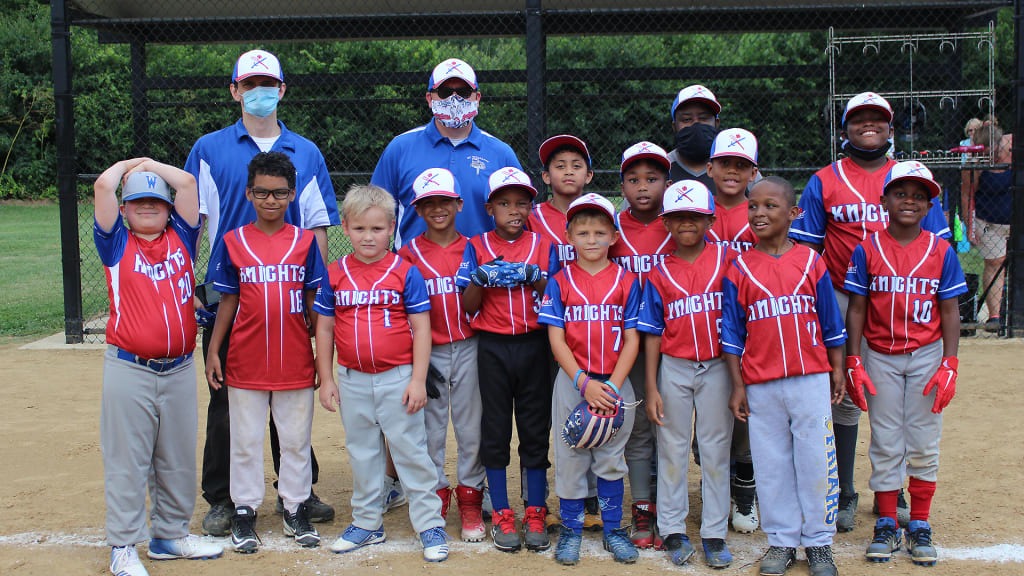
Tee ball, coach pitch and early player pitch are useful stages to think in, but they don't set one universal set of equipment rules across youth baseball organizations.
| Playing stage | Starting equipment | Bat | Ask the league |
|---|---|---|---|
| Tee ball | Glove, practical clothes, appropriate shoes | Check approved tee-ball bat usage and the league's standard | Sneakers versus cleats; available team bats and helmets |
| Coach pitch | Same as tee ball | Check the governing division and approved bat type | Team equipment availability and additional protection |
| Early player pitch | Same, plus protection for the player's role | Confirm standard, fit and any change in division requirements | Field rules, player position and team instructions |
In Little League baseball, non-wood and laminated bats in the Major Division and below need the USABat mark. Intermediate (50/70) and Junior divisions accept USABat or BBCOR for those bats. Senior Division requires BBCOR for bats not made from a single piece of wood.
Solid one-piece wood bats are exempt from those certification marks but must meet their division's other bat rules. The official Little League bat information lists the division standards.
The USABat standard took effect on January 1, 2018. Little League's July 7, 2026 notice also states that the BBCOR governance transition does not change its 2027 seasons.
A tee-ball bat handed down by a relative was suitable for its original use. In Little League, certified tee-ball bats are 26 inches or shorter and limited to approved tee balls. In Minor Division coach pitch or machine pitch, they can be used only with those approved tee balls. Player-pitch divisions follow their own bat requirements.
"Kid pitch" is a local label and doesn't tell you which bat standard applies. Ask which official division your league follows.
Check a glove, bat and helmet before you buy
Judge any purchase with three questions: Is it allowed? Does it fit? Is it in usable condition?
| Item | Allowed? | Fits? | Condition |
|---|---|---|---|
| Fielding glove | Suits the player's league and position | Correct throwing-hand setup; child can open and close it | Usable pocket, laces and overall condition |
| Baseball bat | Meets the applicable standard or qualifies as one-piece wood; check model and decertification status | Manageable length and weight | No disqualifying damage or alteration |
| Batting helmet | NOCSAE approval and league requirements | Sits securely | No cracks, damaged inner padding, or prohibited paint or tape alterations |
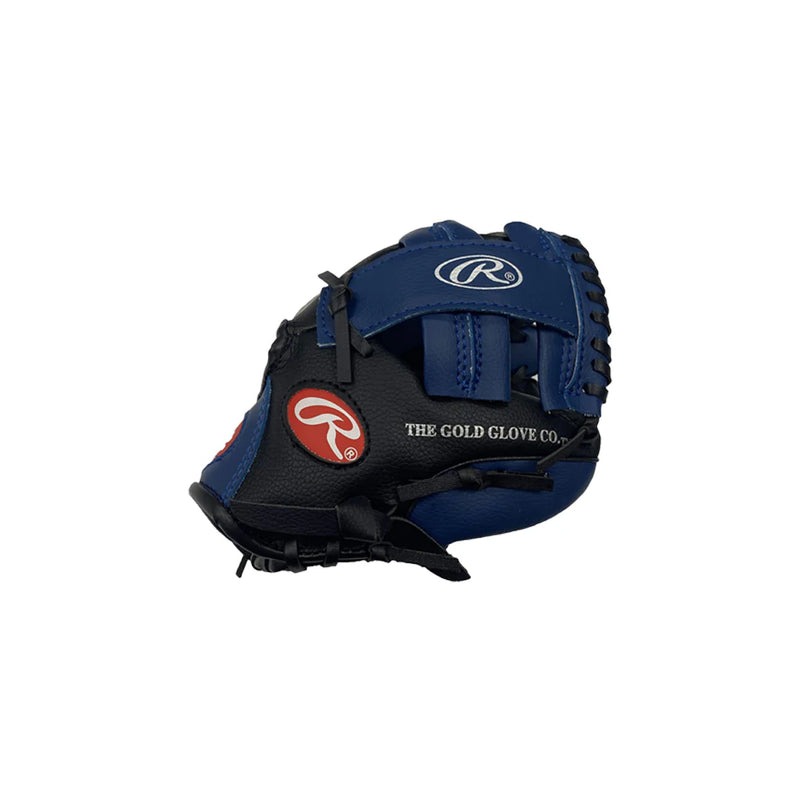
For a glove, start with your child's actual hand and whether they can close it. An oversized hand-me-down that is too stiff to control makes even a simple catch hard. More detailed fitting belongs in the guide to choosing a baseball glove a child can open and close comfortably.
A bat needs one more check: legality. Match your league and division to the applicable bat rule. For marked bats, look at the manufacturer, exact model, length, weight and any decertification notice. The distinction between USABat and BBCOR is covered in the bat certification guide for youth baseball divisions.
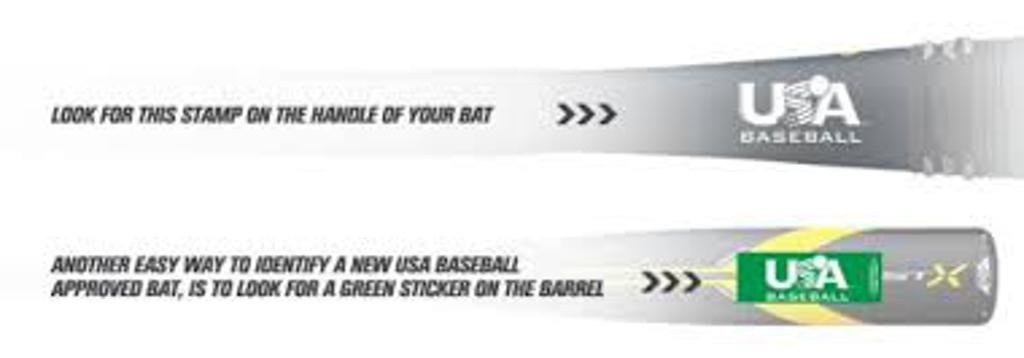
USA Baseball decertified the Easton Ghost X 30-inch, 30/20, drop −10 bat with a 2⅝-inch barrel (models YBB18GX10 and LL18GHX). Its decertified-bat list identifies that specific configuration; the status of other sizes must be checked separately.
For a batting helmet, find the NOCSAE mark, check the fit, and inspect the shell and inner padding. Little League also restricts painting and tape modifications. Don't use damaged or poorly fitting protective equipment, especially secondhand gear with an unknown history. For a full breakdown of USABat, BBCOR and Little League divisions, see which bat is legal in Little League baseball.
Little League assigns managers and coaches equipment-inspection responsibilities. If you can't tell whether an item is in usable condition or compliant, ask the league's equipment or safety officer.
Cleats, uniforms and protective gear: what depends on the team?
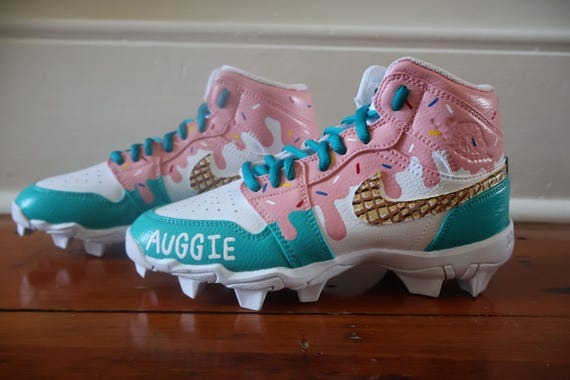
In Little League Major Division and below, metal spikes are prohibited and molded cleats are permitted. Intermediate (50/70), Junior and Senior divisions may allow metal cleats where field rules permit. Some beginner programs accept athletic sneakers.
Comfortable athletic clothing works for practice. Follow the team's instructions before buying particular uniform colors or pieces.
Little League's practice guidance calls for a protective cup for boys playing catcher. Local rules may extend protection requirements to other players.
What can wait, and where can families save money?
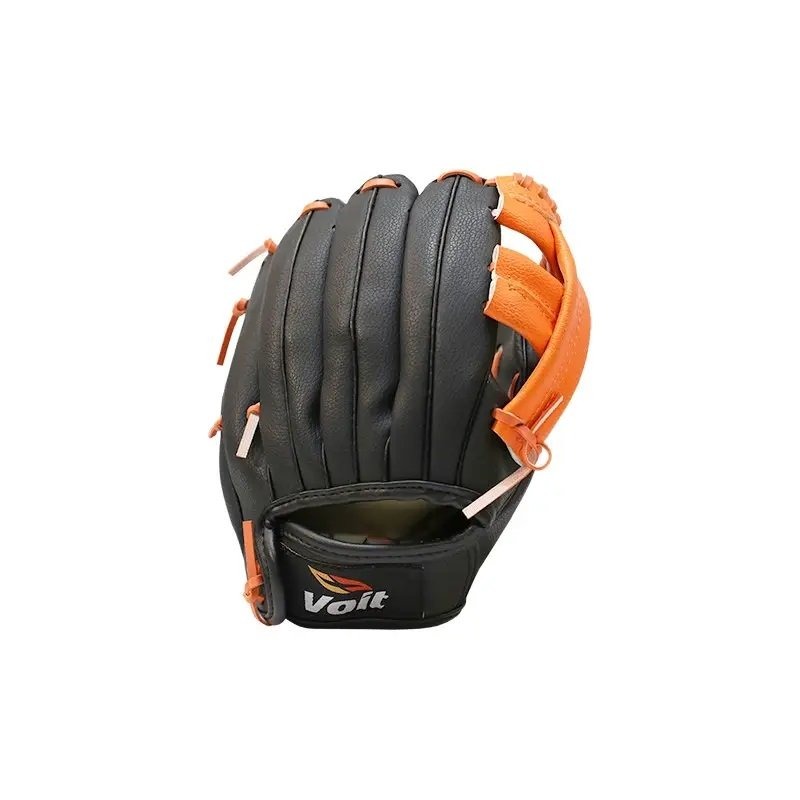
A first season gives you little reason to buy every accessory in the baseball aisle. A premium bat, batting gloves, a branded equipment bag, a personal batting tee and a backyard practice net can all wait until the player has a specific use for them. Not sure what the first practice calls for? See what to wear and pack for the first practice.
Another parent, writing about a child's first Little League season, contrasted secondhand equipment with expensive bats in the dugout:
My kid played little league for the first time this year. He played with a bat that my wife picked up from a garage sale in a lot of 5 for $10. He really fell in love with the sport and became one of the better players because he was devoted to spending time on it and asking questions and the internal drive of doingg something you enjoy. But every dugout had at least 9 kids who had their own bat with an extra large barrel and if you look them up these bats cost between $150-$400.
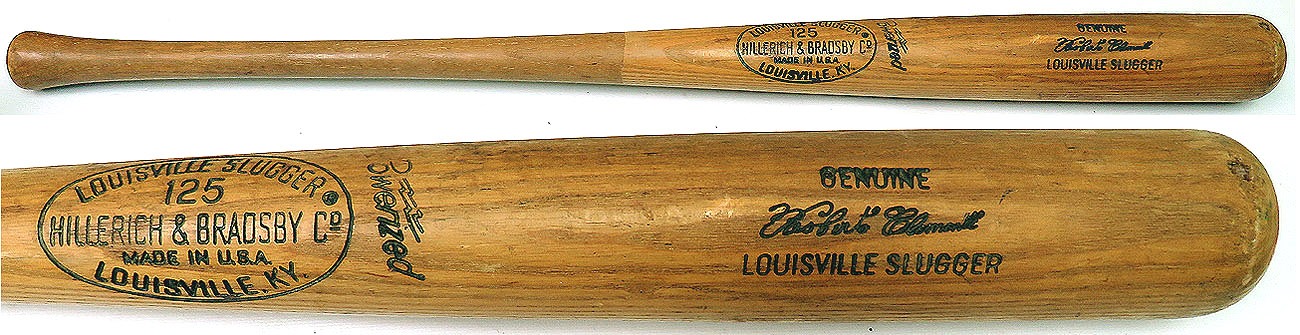
A usable secondhand glove saves money, and a used bat is an option once it passes the model, rules and condition checks above. For more on gloves, see what size baseball glove should you start with.
Some leagues keep loaners or run equipment exchanges and hand-me-down programs. They can supply a workable glove or approved bat.
Pitch In For Baseball & Softball offers an equipment grant program for eligible leagues, schools and community organizations; individual families do not apply directly.
First-practice packing checklist
The short personal list is the one to keep on your phone or print for the first practice.
Put these in the bag or wear them
- ☐ Fielding glove
- ☐ Suitable footwear: Athletic shoes or approved cleats for the field and program.
- ☐ Practice clothes: A comfortable athletic shirt and pants.
- ☐ Water bottle
- ☐ Weather-appropriate items: A hat or other sun protection.
Include these only when requested or personally needed
- ☐ Batting helmet: A properly fitting personal helmet if the team requires one or you have arranged to use your own.
- ☐ Baseball bat: An approved personal bat if the team has requested it.
- ☐ Protective equipment: A cup or another item required for the player's role.
- ☐ Uniform pieces: Any assigned practice or team clothing.
- ☐ Practice paperwork: Only what the coach or league has requested.
The night before, read the coach's message for the field location, start time and any practice-specific instructions.
At a Saturday tee-ball session with team-provided bats and helmets, a glove, shoes, water, and comfortable clothing are enough to arrive prepared. A specialized gear bag can wait.