 Weather: 614-526-6500

A mixed-ability practice can teach one shared baseball skill through several versions of the same drill. Adjust the ball, distance, pace, cue, or assistance to give each player a safe attempt. If a station remains unsafe or inaccessible, simplify it or stop; plan an observable success check for the next session.
Start With One Shared Baseball Goal
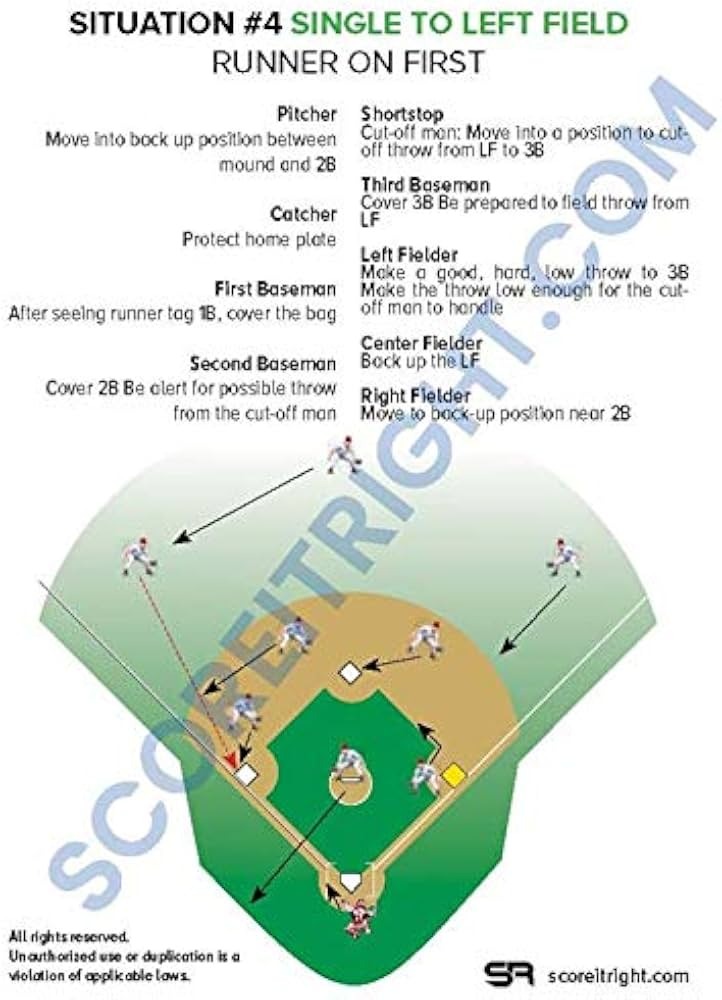
Players can practice the same ground-ball skill without making identical plays. Experience, mobility, coordination, communication, attention, and confidence all affect how a turn works, and those factors may change between sessions. Little League's Challenger Division operating guidance emphasizes individual goals for players with differing abilities. Agree on a visible next step with the player and an authorized caregiver or support person. Keep personal information private, and assess the observable, safe baseball action.
One Baseball Drill, Three Ways to Play
An easier version should still teach the intended skill. Distance, ball type, pace, target, cues, partner, and the number of decisions are all adjustable; a repeat attempt shows whether the change helped.
| Baseball skill | Accessible starting version | Adjustment or added challenge | What counts as a real rep, and the safety condition |
|---|---|---|---|
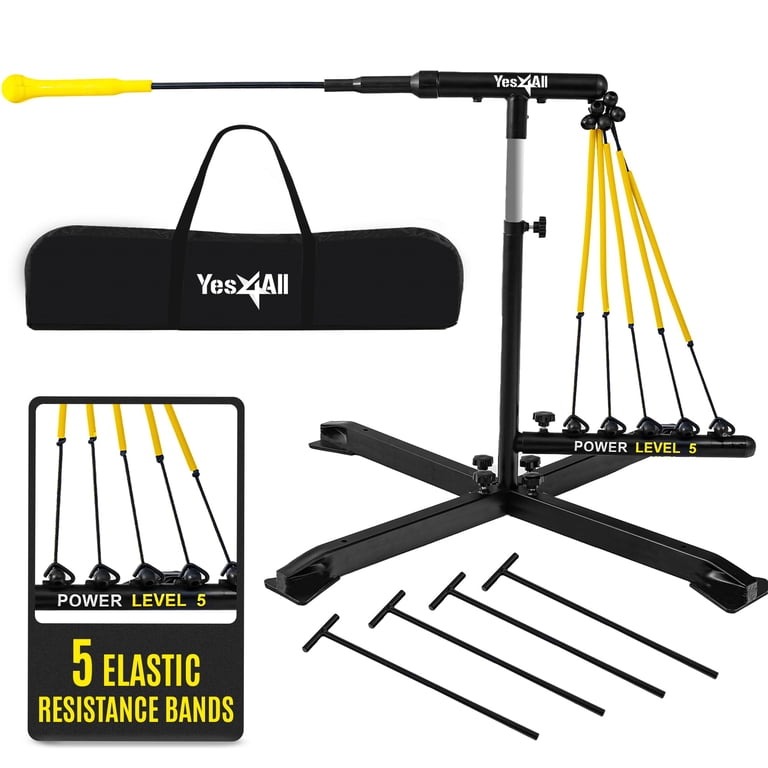
| Batting | Ball on a stationary tee | Adjust tee height, ball type or target; use controlled soft toss or coach pitch | A real swing or contact attempt, with the swing area clear |
| Fielding | Slowly rolled grounder from a reachable distance | Change distance, speed or starting position; add a controlled throw or fielding decision | Player stops, fields or directs the ball on purpose |
| Throwing and catching | Close, controlled exchange with a ready receiver | Change distance, ball size or softness, target or receiving method | A controlled throwing or receiving attempt with a clear ball path |
| Baserunning | One visible route to a clearly indicated base | Change the cue, pace, route demand or agreed assistance; later add a base decision | Player follows the intended route without entering an unsafe area |
The appropriate version can even change during one practice. A player comfortable with coach pitch may return to the tee to refine contact, while another progresses from a gentle roller to adding a throw.
Take a ground-ball station. One player stands closer and stops a slow roller. Another gets a similar ball, gathers it and throws to a waiting partner. A third picks the base before making the play. All three are working on fielding, each with a different demand.
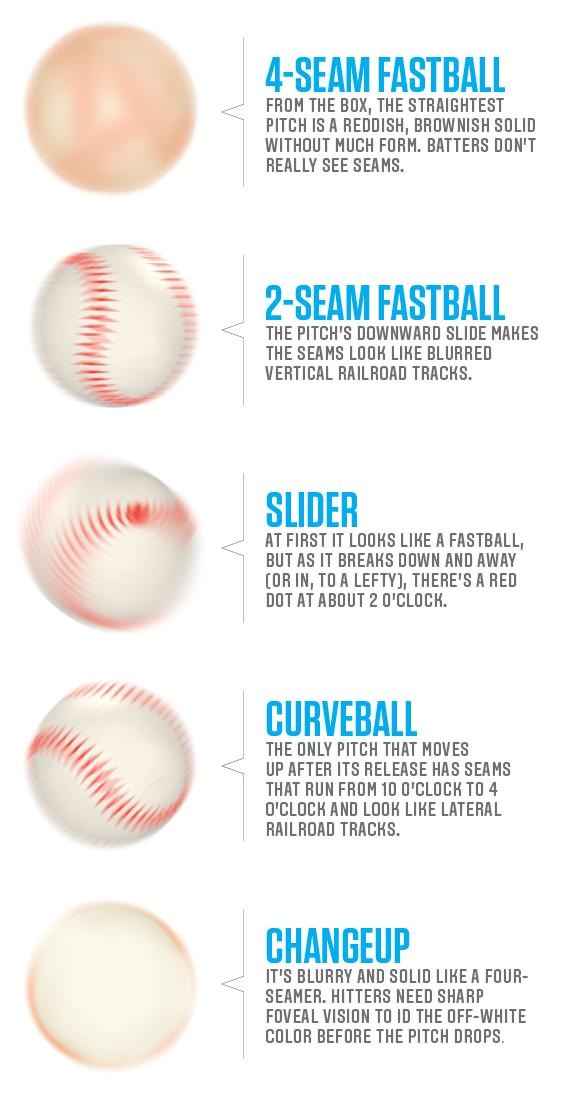
When an attempt fails, name what got in the way and the next adjustment gets clearer:
- The ball arrives before the player is ready. Roll it more slowly or move the starting position closer, and keep the path controlled.
- The player fields the ball but hesitates about where it goes. Name one receiving target and make that choice visible before the next attempt.
- The player begins the drill but loses the sequence of instructions. Give one cue with a demonstration, and let the player finish that action before you add another.
Progress might be controlled contact, a stopped ball, a throw toward a clear target or an intentional move toward first base. Add speed or complexity only while the ball, the receiver, the spacing and the surrounding traffic stay controlled.
Communication and Sensory Load: Ask, Don't Assume
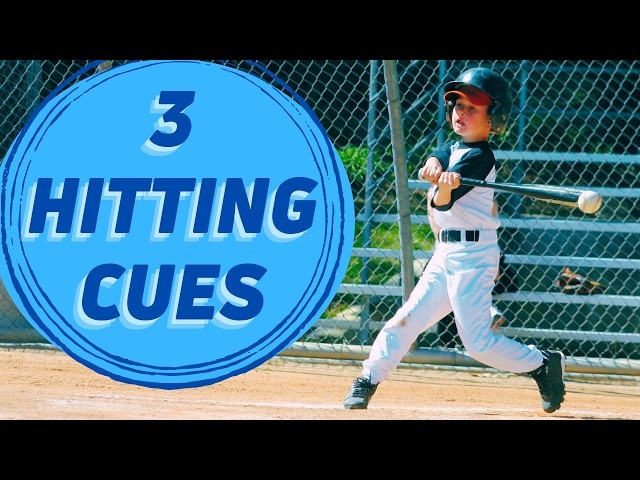
Baseball instructions pile up fast. A coach may ask a player to watch the pitcher, set their feet, swing, remember where to run and listen for another direction before the first action is done.
Give the immediate instruction plainly. At a fielding station, “Watch the grounder” can go with a slow demonstration. At the plate, point to first base and say “Run to first” after the swing, once the route is clear.
CHADD's coaching guidance covers visual or auditory cues and discreet redirection for some children with ADHD. The National Autistic Society also recommends learning an individual's communication preferences and using preparation and visual supports when helpful. Its guidance is written for autism in UK sport, so treat the options here as practical communication choices for U.S. coaches.
A player may prefer spoken instructions, a demonstration or an agreed gesture. Ask which cue works, allow time to answer and try it on a safe repetition. If it doesn't work, change the cue or the demonstration before you repeat the instruction louder.
Transitions matter too. Some players do better knowing which station is next, which adult gives instructions and where the waiting area is. Others need very little advance notice.
One assistant coach described how the demands of baseball can build up around the skill itself:
I'm AuDHD and the assistant coach. My son is ADHD diagnosed, probably AuDHD like me. Look at what's going on around baseball. We've got limited capacity to process everything, that includes anything going on at home, school, friends, social stuff, even seemingly trivial stuff like watching a show on a tablet before going to the field. It all has a cognitive cost. Then you go play baseball, a game that demands constant focus, with a bunch of kids and adults you only see a couple times a week for a couple months at a time, while trying to learn new skills, get constantly critiqued, not embarrass yourself in front of everyone, and perform under pressure to win the game. Oh and your cup doesn't fit right, the sun is too bright, the dugout is to dusty, and you can hear that kid chewing his gum with his mouth open.
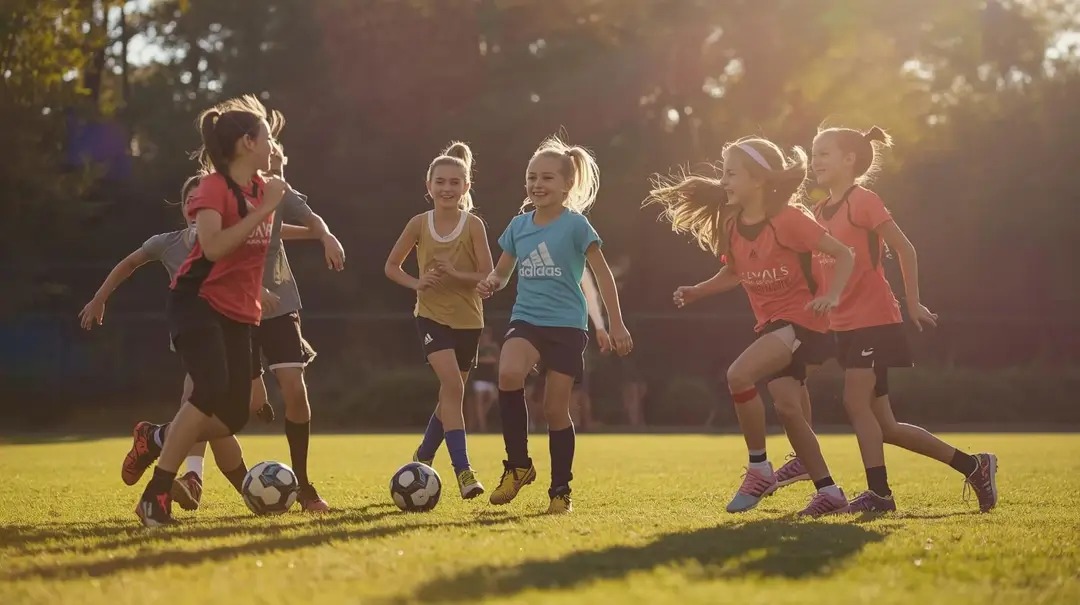
A player might know how to field a ball and still struggle with noise, uncomfortable equipment, unfamiliar teammates or repeated corrections. Address the barrier you can see and the preference the player states. A diagnosis doesn't tell you a player's preferred cue, sensory tolerance or baseball ability.
When to Help and When to Let the Player Make the Play
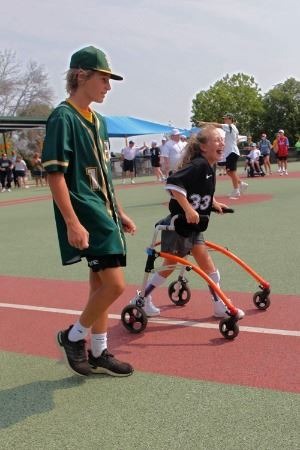
Good assistance keeps as much of the player's own play as possible. A buddy can supervise, point, demonstrate or give agreed physical support, depending on the player's preferences and what is safe.
Little League's Game Play Guidelines for Buddies give Challenger-specific guidance for fielding, batting and baserunning. They describe different kinds of help for players with different needs and levels of independence.
| Assistance level | What the adult does | What the player retains |
|---|---|---|
| Observe | Supervises and remains available | Independent attempt |
| Cue | Points to the ball, target or base and offers an agreed instruction | Initiates the baseball action |
| Demonstrate | Shows a controlled example before another attempt | Chooses and performs the action |
| Agreed direct help | Helps after checking preference, readiness and training | Participates as independently as safely possible |
| Reduce support | Withdraws cues or help as the player becomes ready | Greater independence in the skill |
Say a grounder rolls toward a player. The buddy points to it and the player fields it alone. The buddy stays nearby while the player decides what to do next. If the buddy takes the ball, the player loses the fielding rep.
For a Challenger player with limited mobility, Little League describes the buddy or another player fielding the ball and passing it to the player, who may then throw or hold the ball briefly. The full breakdown is here: how much assistance a baseball buddy should provide.
Physical guidance needs specific agreement first. Check the player's preferences, the organization's assistance boundaries and the training required before touching, lifting or redirecting anyone. The coach stays responsible for coordinating adult roles and protecting the station.
Before assigning buddies, set each player's preferred help signal and each adult's responsibilities. Under Little League's Child Protection Program, covered volunteers with regular or repetitive access to children must complete a national background check and annual abuse-awareness training.
Can a player who needs accommodations participate in a conventional Little League team?Yes. Little League recognizes conventional participation with accommodations as an option alongside Challenger Division. What suits a player depends on the league's requirements and the support available.
Keep Batting, Throwing and Running Stations Safe

A harder drill or an additional station also changes the safety layout. Separate the active bats, balls, and running routes, with an adult responsible for each area.
Run these checks before the first repetition:
- Batting area: Set a clear swing zone and keep waiting players outside it. Start the next batter only with the supervising adult's permission. Make sure the batter drops the bat before running toward first base.
- Throwing and catching: Confirm the receiver is looking and ready. Keep throws in a controlled area, and hold the ball if the receiver isn't ready.
- Fielding: Position players so a rolled or thrown ball can't wander into another active station. Think about where a missed ball will travel.
- Baserunning: Keep each base path clear of other drills, bats and crossing movement. Give a recognizable start or stop cue.
- Adult supervision: Know which adult covers each live-ball area. Simplify the setup when you don't have the staff for separate stations.
Two stations can look separate until a throw crosses a baserunning route. Pause, move one group and restart only when the areas are distinct and supervised. For rotations and practice space, see how to keep the rotation usable for different experience and access needs.

Suspected concussion: Remove the athlete from play immediately. CDC HEADS UP guidance requires no return that day and no return to sports until a healthcare provider clears the athlete. Follow the organization's emergency procedures and seek emergency care when danger signs are present. The coach does not diagnose the injury or authorize return to play. The CDC response guidance was updated September 15, 2025.
CDC HEADS UP: Responding to a Sports-related Concussion
When a Player Cannot Join the Drill Yet
A player can enjoy one practice and struggle with the same activity at the next. When a drill feels out of reach, you need a way to keep the child safe and connected to the team.
Look at what the player is doing and what is happening around them. They may be unsure of the next step, uncomfortable with the group, tired of waiting or unwilling to try that drill.
One parent described three very different early T-ball practices:
My oldest is 4 (turning 5 in June) and has a speech delay. We put him in little league this year because we thought it’d help him with speech and social interactions. He has been evaluated for autism but has not received a diagnosis. Today was our third practice. First practice he cried and didn’t participate. Dad is assistant coach for the team and he kept trying to pull dad away. Dad was trying to comfort him but that didn’t seem to help. Second practice a team parent came up and talked to our kiddo, complimenting his glove and his bat. That seemed to help break him of his whining spell. He participated, talked what he could to the other kids and had a great time. Now tonight was his third practice and it was the first experience all over again.
Practice two went well, then practice three went like practice one. A child can handle an activity one day and find it impossible the next. Offer participation without turning the moment into a public test.
If conditions are safe, offer a smaller way into the skill. The player might roll one grounder with a trusted helper, watch an attempt first or take a supervised pause. Offer these as options; none is required.
Make re-entry predictable. Agree where the player can pause, which adult will supervise and what small action is available on return. A player should be able to rejoin without proving readiness to the whole team.
If the player leaves the supervised area or another safety concern comes up, follow the league's procedures and involve the designated adult or caregiver. A supported pause may be the right end to that day's attempt.
Handle Game Frustration Without Losing the Team
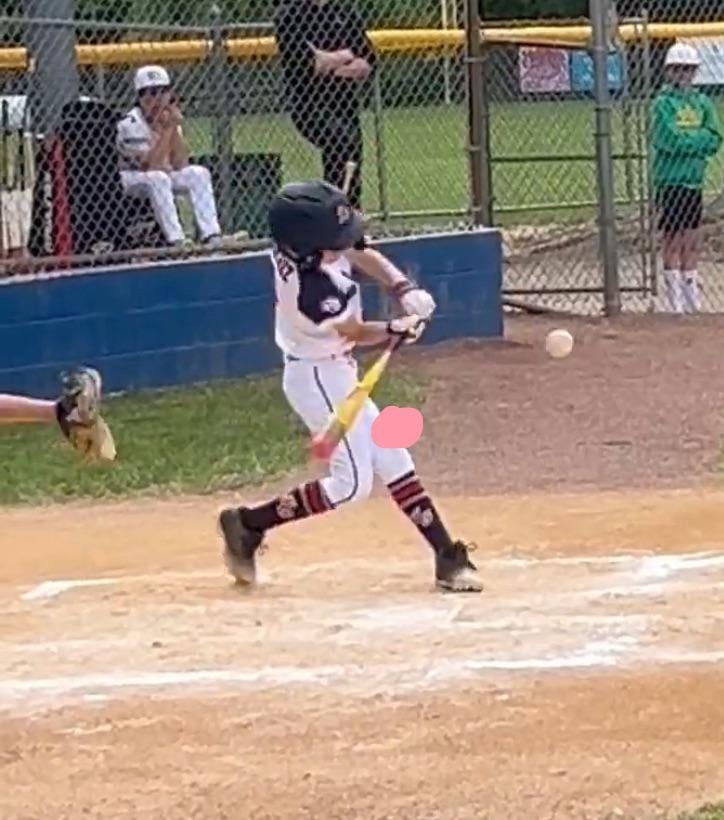
Competition changes the emotional demands of baseball. A missed play, a strikeout or a bad score can upset a player who has been participating comfortably. The adult leading the team still has to supervise everyone when emotions rise.
That balance gets harder when the coach is also the player's parent. One coach-parent described how his son's reactions and his own became entangled during a tournament:
Without getting too much into specifics, by 8 year old son is ADHD and possibly on the spectrum. He has an insanely difficult time handling losses and failure and this came to a head during our recent league tournament when he melted down multiple times when we were losing. Our team should have made the finals but we ended up collapsing and his meltdowns definitely played a role (along with my own meltdowns handling them as the coach). I’m feeling really beaten down and am going to stop coaching. I thought I was protecting him but now he’s developed a reputation in the league as a problem child and coaches/parents all have a problem with me/him, to the point where the league has taken notice.
The problem is the overlap between a child's immediate needs and the coach's responsibility to the rest of the roster.
Before a competitive session, agree which authorized adult takes over supervision if the lead coach becomes personally involved in an incident. One adult keeps the team activity under control while another helps the child in a quieter, supervised setting under league procedures.
Public arguments about effort, obedience or character draw more attention to a player who is already distressed. Restore safety and supervision first, then decide with support whether the player is ready and willing to rejoin. A separate guide on first games covers what to do if waiting, noise, or an unexpected play changes the plan.
If an incident presents immediate danger, stop the activity and follow the organization's safety and escalation procedures. Play resumes when responsible adults have restored safe conditions.
Correct Mistakes Without Making a Player the Example

Give a correction the player can use on the next repetition. After a missed grounder, “Start with your glove low and watch the ball in” identifies a movement; “Pay attention!” does not.
How correction is delivered matters as much as what it says. Repeatedly calling out one player in public may make the next attempt feel like another anticipated criticism.
One parent of a 9U travel player described what felt like unequal coaching attention:
So, my 9U kid is playing his first year of travel ball. He played with this team in the Fall and now is finishing up the Spring. I have been noticing more and more they are yelling at him at a greater rate than the other kids. They are jumping on him when he messes up and seem to have him on a much shorter leash than the other players. I know I may have daddy goggles, but he is very well behaved, attentive and performs well. They always have nothing but positive things to say to me about him and that isn't the case for all the kids. My kid is starting to notice as well. He pointed out that they call him out for every little thing. I approached the coaches about it and they said that they have no issues with my kid.
The question for any coach is how many chances each player gets to practice a skill and respond to correction. For drill variations, see how to adapt the challenge while keeping the baseball skill recognizable.

Review whether your feedback was specific, private enough and proportionate. If a correction was unfair or needlessly public, address it privately and give the player one clear next action.
Put It Together for the Next Practice
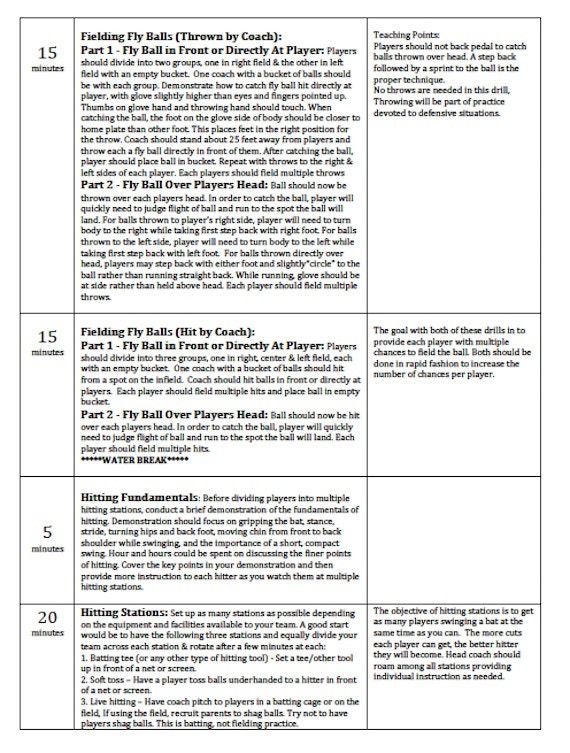
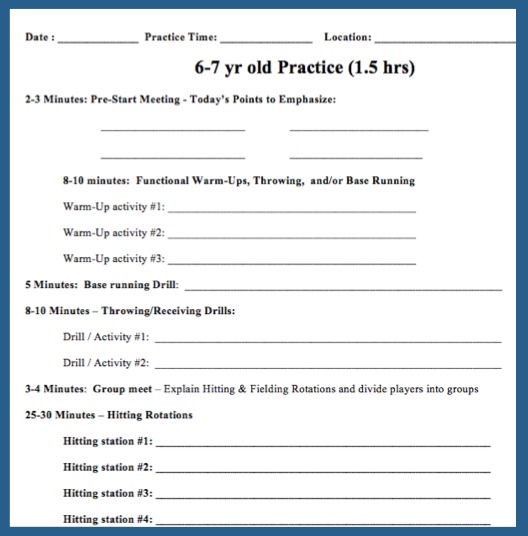
Picture eight youth players and two authorized adults preparing a block of batting and fielding practice.
One adult supervises the active batting area while the other oversees a controlled fielding and throwing area. Waiting players have defined safe positions. At batting, one player uses a tee and another takes controlled soft toss. In fielding, one player stops a slow roller while another fields and throws to a ready receiver.
If two stations can't run safely at once, use one active station or bring in more authorized help before restoring parallel drills.
The American Baseball Coaches Association published John Cissik's youth-practice organization article in March/April 2022, including a sample 13U station-based practice plan.
ABCA: Organizing Practices for Youth Baseball
Keep a small private record
A pocket card connects one session to the next: record the task, the adjustment used, and what happened. Keep diagnoses and other personal details off the card.
| Field | Example entry |
|---|---|
| Shared skill | Fielding a ground ball |
| Current adjustment | Slow roller from a reachable position |
| Agreed cue or help | Point to the ball, then allow the attempt |
| Observable result | Stopped the roller and gathered it safely |
| Next possibility | Controlled throw to a ready partner |
Pass the plan to the next coach
If another authorized adult takes the next session, share the card privately. The successful adjustment, agreed cue, and next suggested play give that coach a workable starting point.