
 Weather: 614-526-6500

A batting tee gives a new hitter a fixed target. Once contact is controlled, gentle toss and then pitched balls add the challenge of timing. When moving pitches cause trouble, watch what the hitter sees at release and when the swing begins before overhauling the mechanics.
Missing a ball on a tee and swinging early at a coach's pitch look similar in the result, not in the cause. The tee lets you inspect contact at a known point; a moving ball forces the hitter to read release, track the path, and time the swing.
A balanced stance and a controlled swing matter more to a beginner than a long checklist of body angles. Notice where good contact first disappears as the drills become harder.
Set Up a Safe Place to Hit
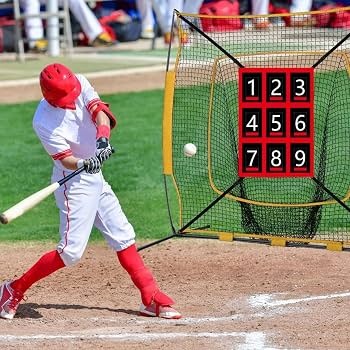
Give the hitter room for the full swing and for any ball that flies the wrong way.
A net or a soft ball doesn't make a garage safe. Check the space, where the ball can go, who stands nearby, and what equipment you use. Pick a supervised setting before you try moving tosses or machine pitches.
The Little League Safety Code calls for NOCSAE batting helmets during practices and games, equipment inspection, and safe separation during warm-ups. In Little League, adult managers or coaches operate pitching machines. Other leagues and facilities can add their own requirements.
- Helmet and equipment: Check the helmet's fit, and inspect the bat and other gear before play.
- People and space: Keep the swing path clear. Waiting players, siblings and kids collecting balls stay outside it.
- Feeder protection: Run a supervised drill and give the person delivering the ball a protected position.
- Bat control: Make sure the hitter can hold and move the bat without losing the barrel.
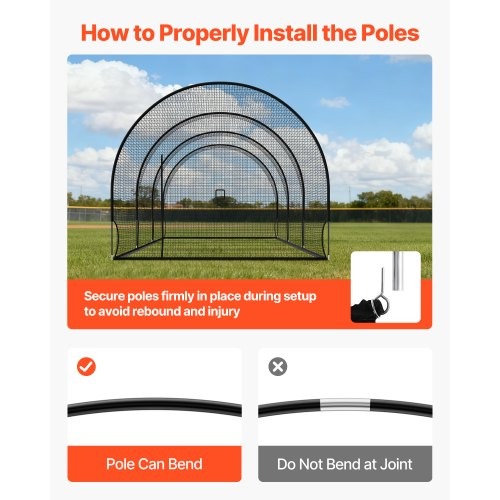
When bat control is the problem, equipment fit becomes its own job. A separate guide to choosing a youth bat covers that decision.
Find a Comfortable Grip, Stance, and Plate Reach
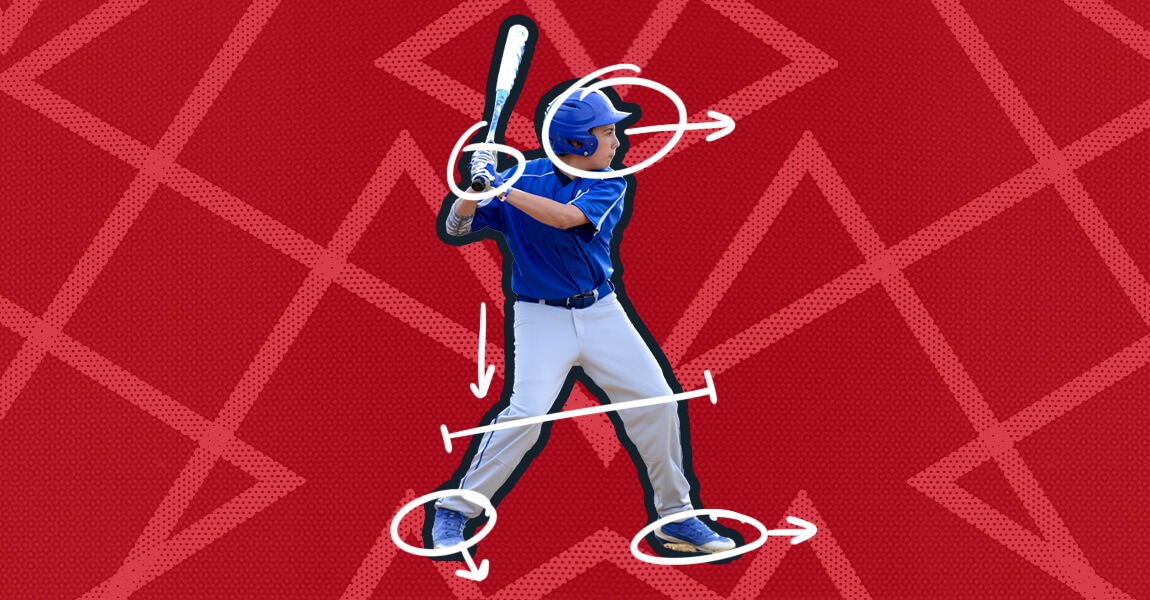
A good starting position keeps the hitter balanced and able to reach the outside of home plate without lunging. The details leave room for personal comfort.
Hold the bat near the base of the fingers, hands together, grip secure and relaxed. Little League allows knuckles aligned or slightly offset. Squeezing the handle hard tenses the arms and makes a beginner's swing harder to control.
Set the feet roughly shoulder-width apart, soften the knees, and look toward the ball from an athletic stance. The Little League grip, stance, and plate-coverage guide illustrates a starting balance of about 40 percent weight on the front leg and 60 percent on the rear. That is the starting balance only. Weight shifts as the swing unfolds.
Before any pitch, stand in the intended batting position and extend the barrel toward the outside corner of the plate. If reaching it takes a lunge, move closer while leaving room to swing. If the bat feels crowded against the body, move the other way. Doing this check during setup lets the hitter focus on reach without timing a pitch.
Left-handed and right-handed hitters follow the same balance and plate-reach principles, with the sides reversed. Adapt stance details to the hitter's age, body, comfort, and coaching needs.
Make One Simple Swing: Load, Turn, Contact, Finish
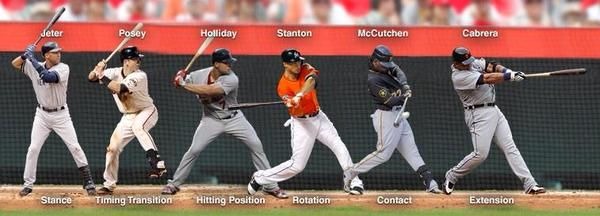
A beginner's swing has four parts: get ready, make a small preparation, turn through the ball, and finish under control. They blend into one swing, and it won't look identical from player to player.
Prepare and turn
From a balanced stance, locate the ball and take a modest shift or stride to prepare. If the hitter rocks far back or lifts the front leg high, try a smaller movement with the ball in the same place and see whether balance holds through contact. For throwing, hitting and fielding fundamentals together, review make contact before chasing a perfect swing.
As the swing starts, the hips and torso turn while the hands bring the bat toward the contact area. Keep the eyes on the ball and let the barrel travel through it.
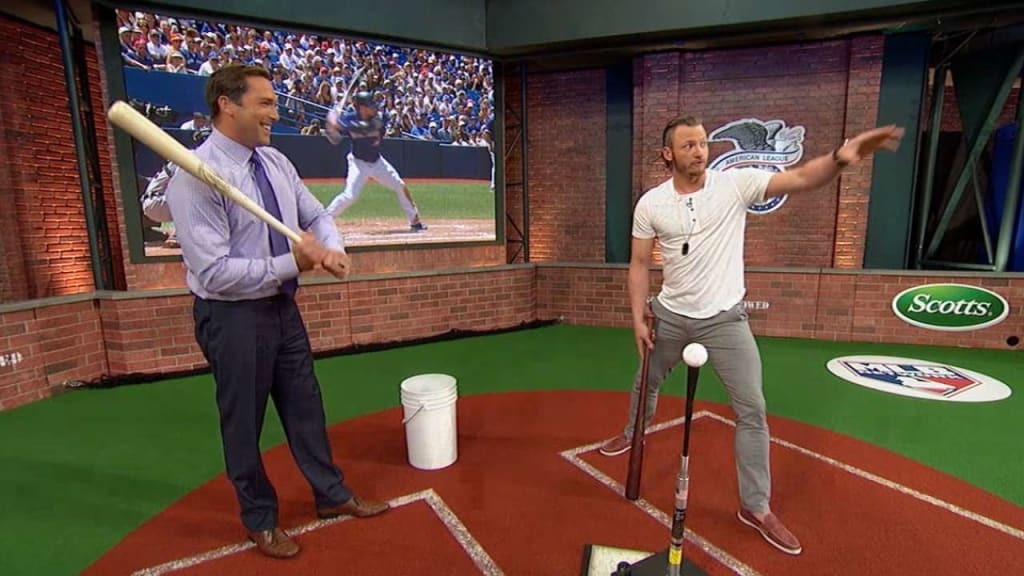
Finish with control
Let the swing carry into a comfortable follow-through. If the hitter keeps stumbling toward the plate or falling off balance, fix that before adding speed or power.
Batting mechanics differ by competition level. A 2016 motion-capture study compared 170 male hitters across youth, high-school, collegiate, and professional levels, and 33 of them were youth hitters.
Learn to Make Contact on a Batting Tee
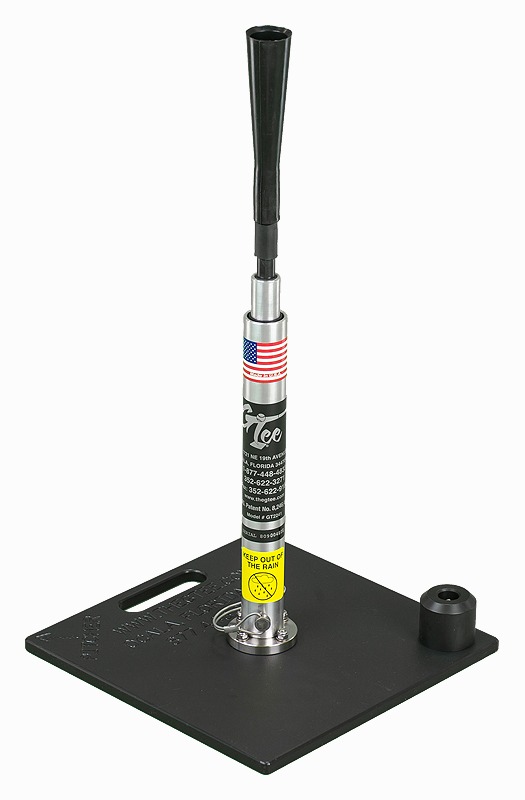
A batting tee holds the ball still, so a beginner can focus on meeting it with the barrel and finishing in balance. Set the ball at a reachable spot around the middle of the hitting area and watch several unhurried swings there before changing anything. Once contact feels comfortable, move the ball inside, outside, higher or lower and see how the contact point changes.
For bat length, swing weight and league standards, see understand drop, actual weight and swing balance.
Progress From Tee to Soft Toss and Pitched Balls
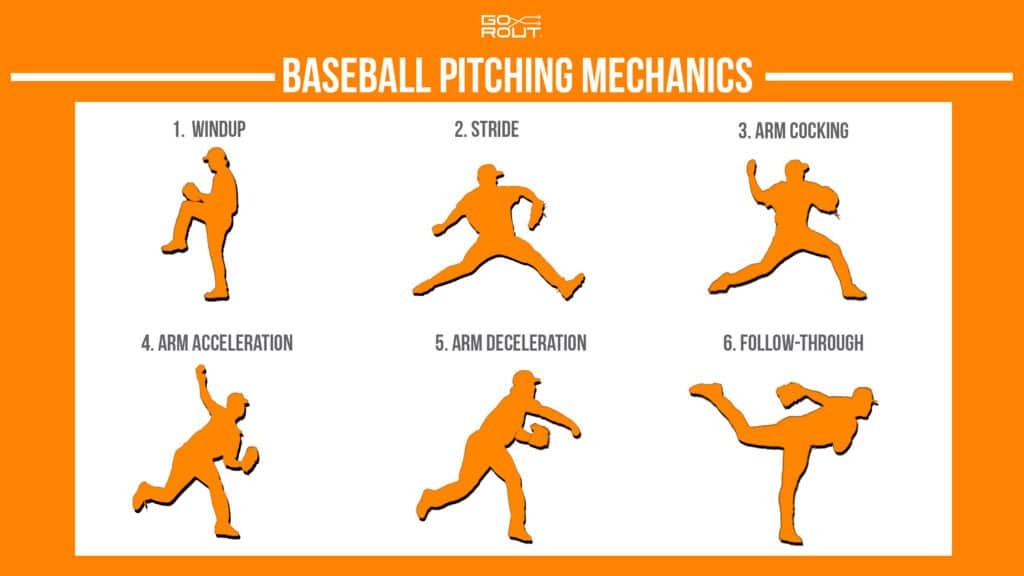
Add moving-ball difficulty in stages. The Little League and USA Baseball hitting progression moves from a tee through soft-toss drills to protected live-arm batting practice. Each stage gives the hitter a different job.
| Practice stage | What the hitter works on | New difficulty | Check before advancing | Safety boundary |
|---|---|---|---|---|
| Batting tee | Barrel contact at a known spot | None from ball movement | Controlled contact and balance | Helmet, clear hitting area |
| Controlled side toss | Meeting a gently moving ball | Ball movement and delivery rhythm | Contact stays comfortable | Protected, correctly placed feeder |
| Controlled front toss | Following a ball coming from ahead | Release recognition and timing | Hitter can see and follow the toss | Supervision and protection |
| Protected pitched-ball practice | Contact against a more realistic delivery | Speed, location and timing changes | Hitter handles the previous stage | Suitable field, protection, qualified supervision |
If contact breaks down at the first moving toss, adjust the practice at that level. A predictable delivery makes the change easier to see.
Little League's instructional example describes slow front toss from about 15 to 20 feet and protected live-arm batting practice using an L-screen, with the thrower 15 to 30 feet in front of the pitching rubber. These are supervised drill arrangements, not universal safety distances for a yard or garage.
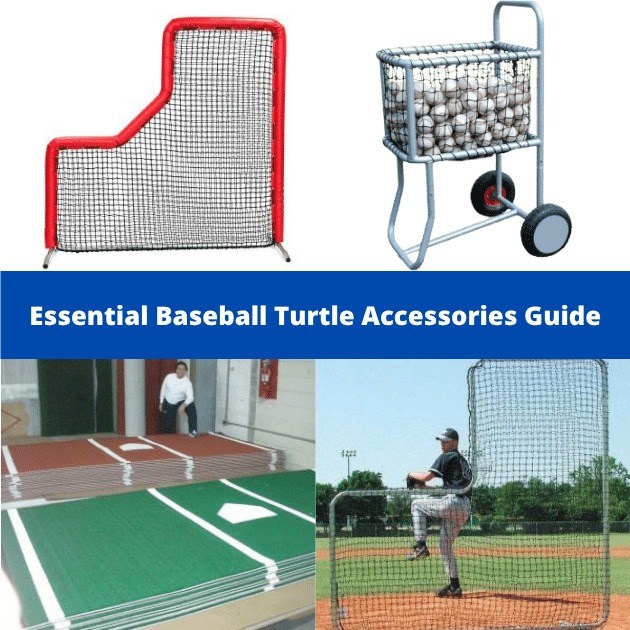
For a hitter moving from tee ball to coach pitch, the first gentle toss raises a new question: when did the ball leave the feeder's hand, and when will it reach the bat? A smaller, more predictable delivery makes that easier to work on.
Age, coordination, protective facilities and the feeder's competence all set the right level of practice. A pitching machine is an optional supervised delivery method.
Diagnose Early, Late, or Weak Contact Without Guessing
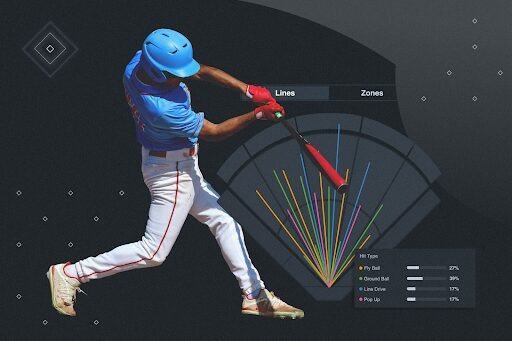
Start with where the problem appears. A hitter who misses a tee ball needs a setup and contact check. A hitter who handles the tee but swings early at moving pitches needs a look at the delivery and the start of the swing.
Pick one check from the table and repeat it for a few swings under the same setup. One ground ball, pop-up or early swing doesn't point to a single mechanical fault.
| What you see | Compare first | One check to try |
|---|---|---|
| Misses a tee ball | Same tee spot, stance and outside-plate reach | Go back to a comfortable middle placement and take a few controlled swings |
| Swings early at a moving ball | Does the barrel pass the contact area before the ball arrives? | Keep tosses gentle and similar; try a slightly later swing start |
| Swings late | Does the ball pass the contact area before the barrel arrives? | Keep the same gentle delivery; try an earlier, controlled preparation |
| Hits weak ground balls | Tee height and where the bat meets the ball | Return to the middle tee placement, then change one ball location |
| Hits repeated pop-ups | Ball height and barrel contact on the tee | Keep the same tee height for a few swings, then change it slightly |
| Loses contact against game pitches | Last successful toss versus the new pitch delivery | Compare the new release, pace and location with that earlier toss |
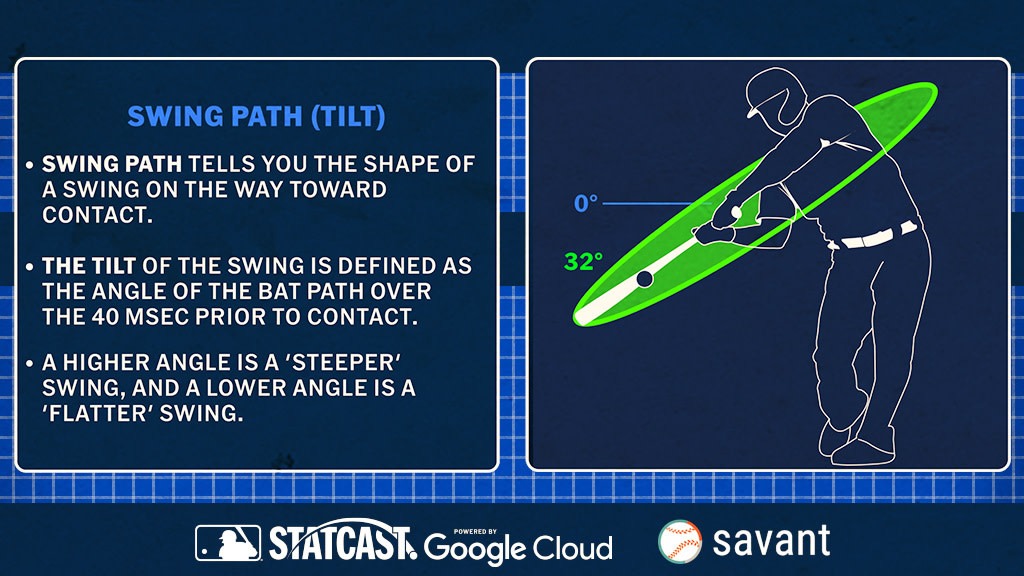
Look at the release for early or late swings
In coach pitch, the release gives you a visible reference point. Watch whether the barrel passes the contact area before or after the ball, and note when the hitter picks up the release. Keep the delivery similar over a small set of attempts.
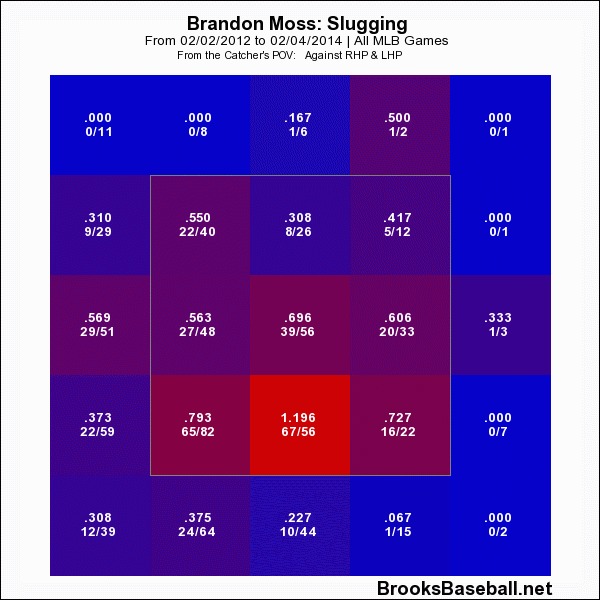
An inside pitch usually meets the bat farther out in front of the plate; an outside pitch is usually contacted deeper. Little League uses that distinction when teaching toss and contact locations. A player may need a different contact point even when the preparation feels the same.
Change one condition and compare again
For a short practice note, write down the setting (tee, toss, or pitched ball), the repeated symptom, the one change you tried, and what happened on similar attempts. For example: “front toss, barrel passed the contact area before the ball; steady delivery; tried a later swing start.”
For first-time players, batting stations and fielding drills, see the one-tee problem: keep beginners from standing in line.
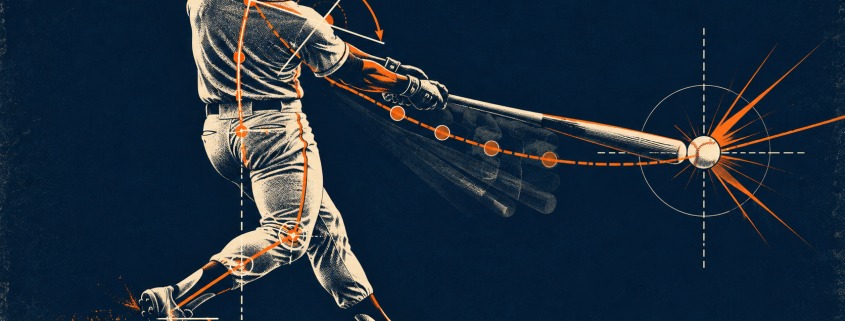
If the hitter is frightened, can't follow the ball comfortably, or loses control of the bat, stop the drill and go to a safer, easier setup.
Why Good Tee Swings Sometimes Vanish in Games
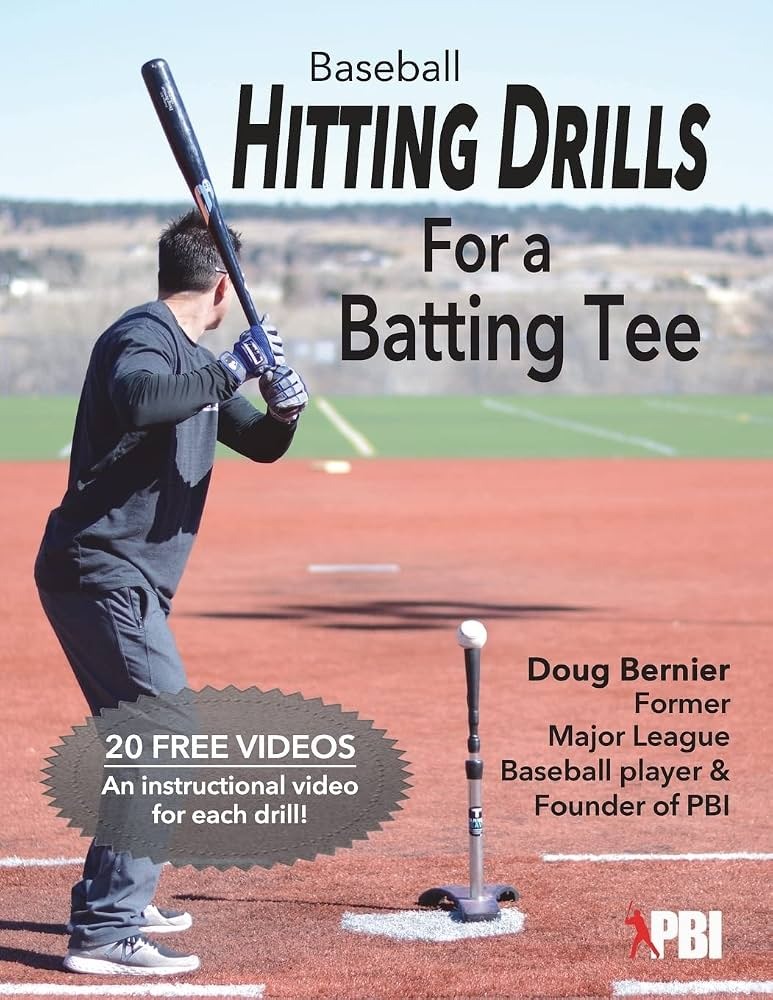
A tee swing and a game at-bat ask different things of the player. On a tee, the contact point is set in advance. In a game, the hitter has to recognize the delivery, track the ball, and start the swing while it keeps moving.
When a player looks comfortable in practice and struggles in a game, compare the two setups before blaming the swing. The difference could be the feeder, distance, pace, location, or how clearly the hitter sees the release. Don't assume game pressure explains the misses.
- Delivery: Was it a tee, a gentle toss, or a pitch from a person or machine?
- Pace and distance: Did the ball arrive at a familiar speed and timing?
- Location: Was the game pitch in the same part of the contact area?
- Release and comfort: Could the hitter follow the ball and stay ready to swing?
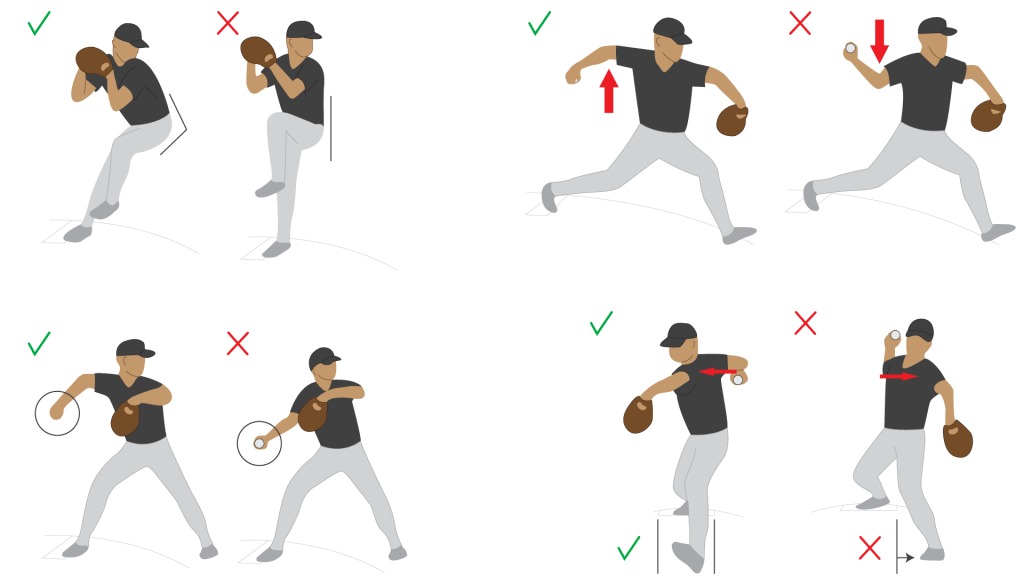
Say a hitter meets slow, predictable tosses but misses during machine-pitch play. The machine brings a different delivery and possibly a different speed or location. Recreate one of those game conditions in supervised practice so the hitter has one specific new task. If it proves too hard, drop back to the simpler stage.
Choose the Next Practice Step Without Chasing Power
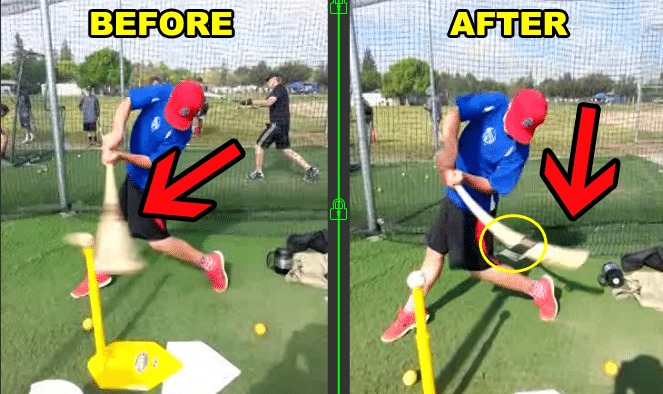
Controlled contact is the first milestone. Distance develops later. A child comparing short hits with an older player's long drives may overlook the progress already visible in their own swing.
Feedback works best when the next swing has one clear purpose. A brief cue gives the hitter something to try; a running commentary on hands, hips, head, and stride gives them too much to process.

Consider extra instruction if the player stays confused about the movement, basic contact stays difficult, or you can't set up a safe practice space. Qualified league coaches and age-appropriate instruction are options, and paid private lessons are not required to start. A volunteer coach planning rotations and stations for several players has a different job: organizing a youth team's first practice.
End the session while the hitter can still concentrate. One achievable goal is more useful than repeating swings through fatigue or frustration.