 Weather: 614-526-6500

Grounders and fly balls demand different movements, so teach them separately. Begin with slow rolls that let the player keep the glove low and short, visible tosses they can track into the pocket. When control fades or the player flinches, reduce the difficulty or pause.
A ground ball rolls toward a young player, slips under the glove, and keeps going into the outfield. A few minutes later a pop-up drops behind that same player. The glove went up early, but the feet never moved.
Both mistakes show up as missed catches, but they don't call for the same correction. A soft roll reveals what happens near the ground; a gentle toss reveals whether the player moves under the ball.
Ground ball or fly ball? Tell them apart first
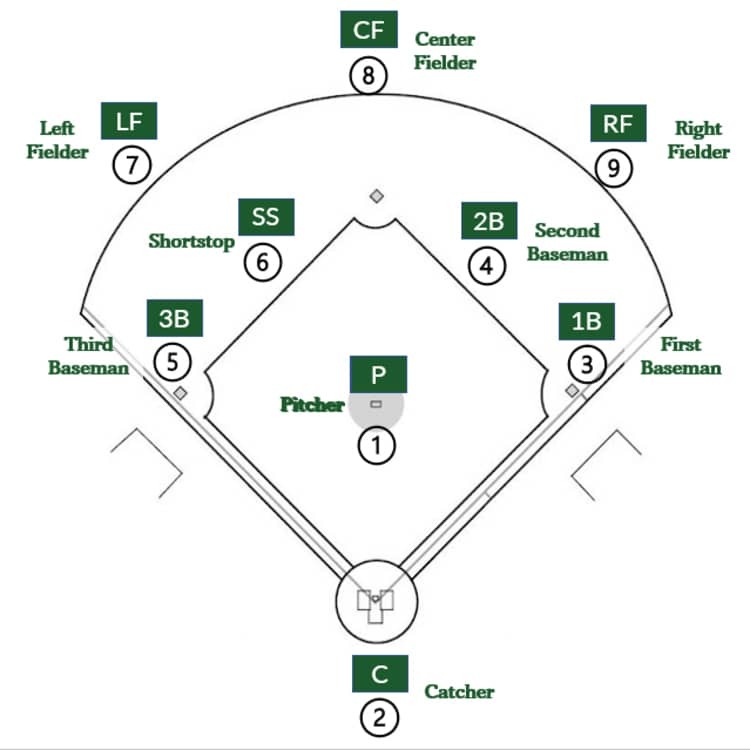
Ground balls travel along or bounce off the dirt; fly balls move through the air, and pop-ups rise sharply before falling nearby. In each case the feet must get the player into position while the glove pocket faces the incoming ball.
| What to watch | Ground ball | Fly ball or pop-up |
|---|---|---|
| Ball path | Rolls or bounces along the ground | Rises, then drops through the air |
| First movement | Get your feet in line with the ball's path | Find the flight, then adjust your feet toward the catch |
| Glove | Low, open, and in front | Pocket facing the falling ball |
| Eyes | Follow the last bounce into the glove | Follow the ball's flight into the glove |
| After the catch | Hold the ball, then bring it toward the throwing position | Hold it in the pocket and cover it with your free hand |
| Starting throw | Slow, steady roller | Short toss visible from release |
Decide before each try whether the ball will roll or come from above. A player can already field easy grounders and still need much easier fly balls. A short pop-up is hard to judge, especially one that goes almost straight up.
How to field a routine ground ball
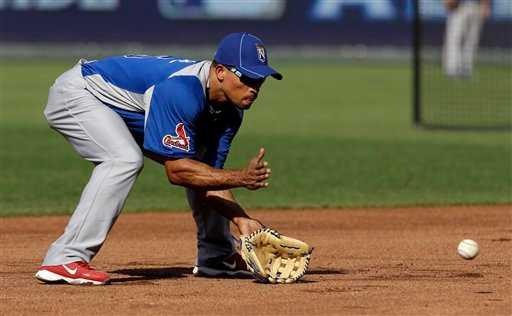
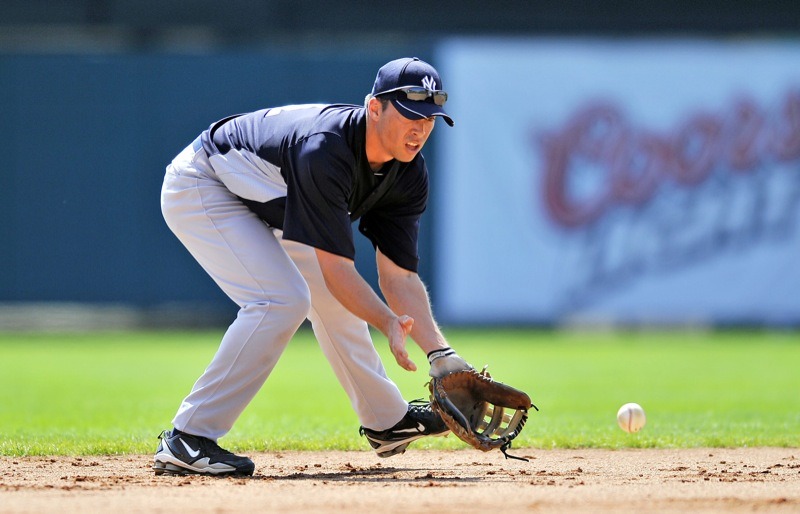
To field a routine grounder, move your feet into line with the ball, bend your knees, and meet it with an open glove in front of your body. Stay balanced, because the last bounce can change the ball's height. For the basics, read field a slow ground ball before a fast hit.
- Start ready. Bend your knees, set your feet apart, and be ready to move either way.
- Get in position. Take short steps to meet the roller. Lower your body through the knees as the ball gets close.
- Show the pocket. Hold the glove in front with the opening toward the grounder and the fingers pointing down. Watch the ball go into the pocket.
- Hold and transfer. Bring the glove and ball in toward you, and use your throwing hand to help hold the ball or move it.
Two coaching terms confuse beginners. Fielding out front means the ball enters the glove in front of your body. Funneling means bringing the caught ball toward your center as you get ready to throw.
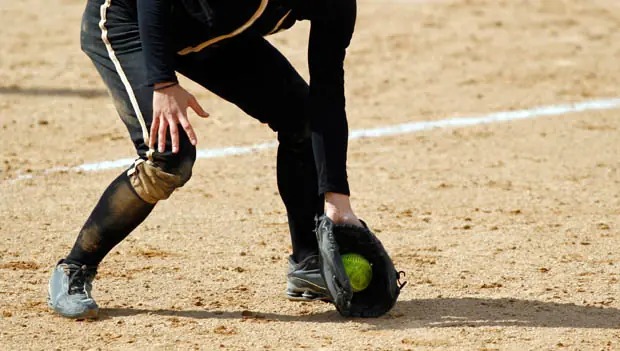
Some coaches describe a fielding triangle: your feet form a wide base and the glove sits ahead of them. It works for a routine, clean grounder. A sharp short hop, a bad bounce, or a ball outside comfortable reach needs a different adjustment.
The Little League Infield Drill Progression links hand position to footwork and separates catching the ball from moving into the throw.
To check position, have your player show the stance without a moving ball: bent knees, glove pocket visible in front, and enough balance for a small step.
How to catch a routine fly ball or pop-up
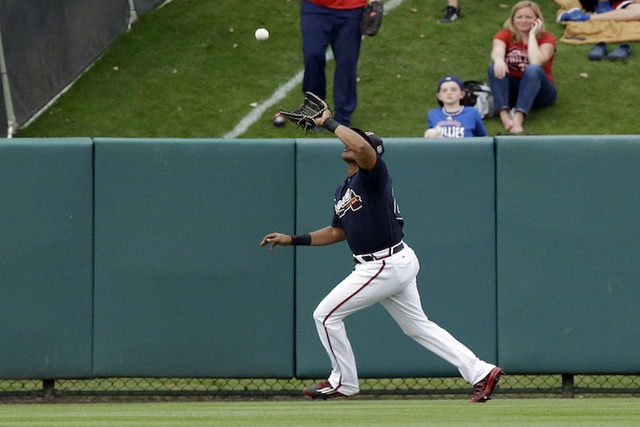
For a ball in the air, find the flight first and move into a good catching spot. If you stand still and reach straight up, any drift carries the ball past the glove.
Start with your knees slightly bent and your feet about shoulder-width apart. Track the ball after release, take the steps you need, and turn the pocket toward the falling ball. On a simple pop-up, the glove meets the ball above and slightly in front of your head.
- Find it early. Keep watching as the ball rises and starts to drop.
- Move into its path. Take small steps while you can see the flight. If the ball carries behind you, turn and take a drop step back toward that side, then keep tracking it.
- Catch it in the pocket. Let the ball arrive at the glove, pocket facing it, with your eyes still on the ball.
- Hold on. Bring your free hand over the glove to cover the catch. Catches on the run sometimes need a different hand movement.

Another fielder may be under the same ball. A clear call of “Mine!” tells everyone who is catching it, and your team's priority rules decide who gives way.
Before the first toss, hold the ball and have your player point to where the pocket should meet an easy falling ball. Then you make the toss, and your player only has to track it.
Starter ground-ball drills: catch first, then move
Start with hand-rolled balls. A slow, steady roll shows you whether a miss came from the catching position or from the movement.
G1: A centered roller
Roll a slow ball along a clear, fairly level surface toward a beginner who is already in position. The player catches it in the open glove and holds on. If it keeps slipping underneath, slow the roll or shorten the distance.
Little League also has a kneeling drill that isolates the hands. Normal fielding happens standing up. Pitchers, catchers, and shortstops each have their own job: what each defensive baseball position does.
In Little League's introductory progression, rolled balls start about 10 to 20 feet from the thrower. Adjust that for your player, ball, and space.
G2: Catch from a wide base
Now your player starts on their feet, bends the knees, catches the grounder out front, and brings the ball in. Watch whether the body and glove go down together.
G3: Add a small side step
Roll the ball slightly to the glove side or the throwing-hand side. Your player takes a small step toward it before catching it. Keep the roll slow while you add that step. Faster hit balls come later.
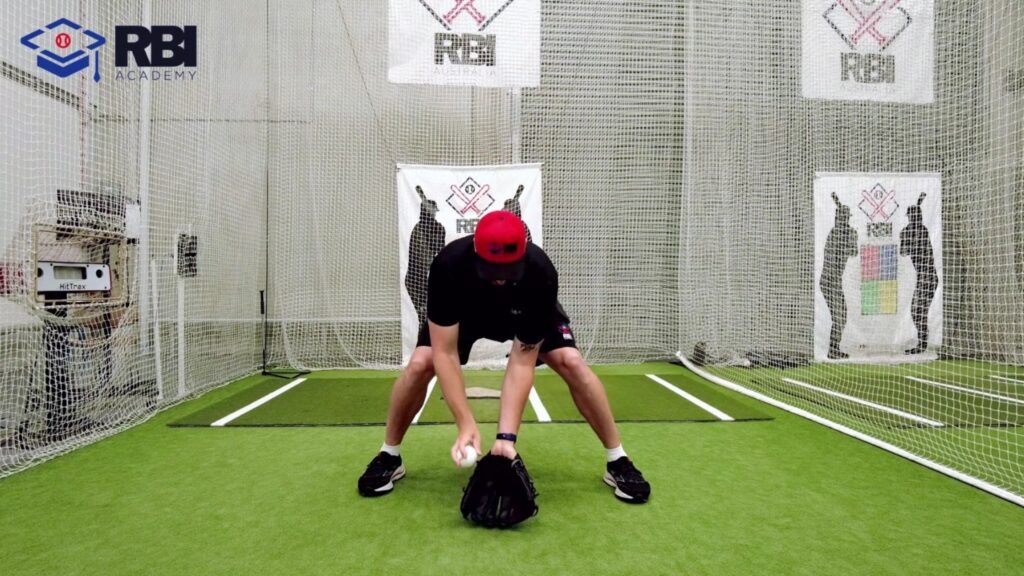
Once your player catches grounders cleanly, a throwing drill can follow as a separate exercise.
Starter fly-ball drills: begin with a visible toss
An easy toss gives a beginner time to see the whole flight. Little League's pop-up guidance allows a tennis ball or another softer ball for younger players, with an adult doing the tossing. If your group has mixed abilities, try one adjustable baseball drill with three variations.
F1: Follow a short toss
Stand facing your player and make a low, easy toss that stays visible from release to catch. Your player watches, moves the glove to the falling ball, and catches it. Keep the height and distance small.
F2: Add one positioning step
Send the next toss slightly to one side. Your player moves toward where it will land before reaching with the glove. This teaches judging where the ball is going without a surprise turn.
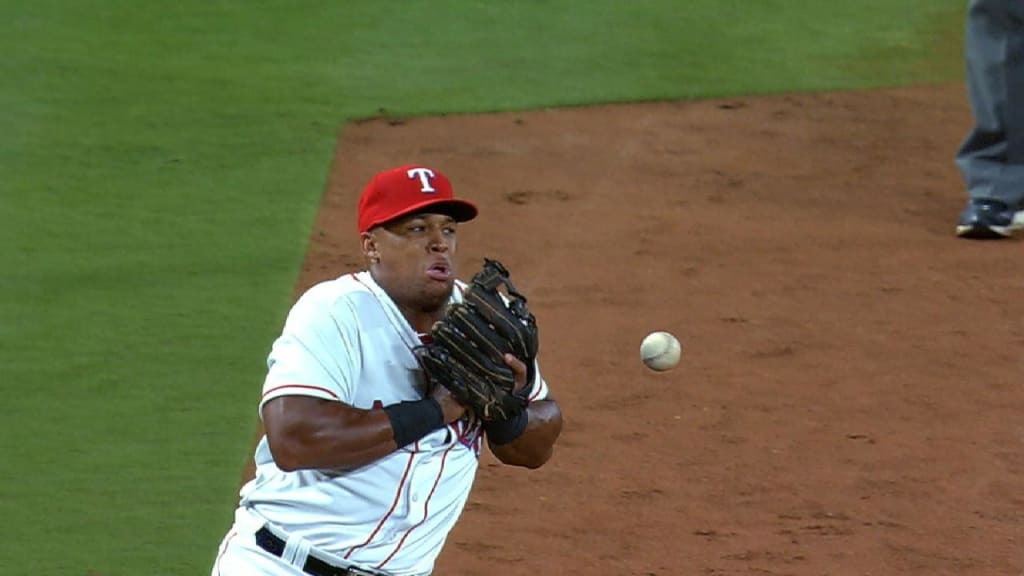
F3: Turn and find the pop-up
The Little League Reaction Pop-Up Drill adds a cue: the player starts facing away from you, turns, finds the tossed ball, and tracks it into the glove. In that setup the player starts about 10 feet away. You can vary the toss direction and height later.
Use F3 only with a player who already catches visible tosses comfortably. Turning to find the ball is a separate skill, so go back to F1 or F2 when reaction catches get confusing.
Fix the miss: what to watch and change next
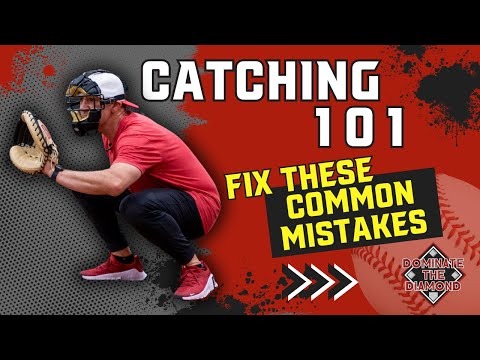
Watch what happens just before the miss: the feet, the last bounce or flight, the glove pocket, and your player's reaction. Pick one problem and fix it on the next roll or toss.
| What you see | Cause | One correction | Next try |
|---|---|---|---|
| Grounder goes under the glove | Glove drops late or the body stays too high | Bend the knees and set the pocket earlier | Slow, flat roll down the middle |
| Ball runs between the feet | Feet and glove are out of line with its path | Set your starting spot behind the roller | Short roll down the middle |
| Grounder hops out of the glove | Misread the bounce or the pocket alignment | Watch it into the pocket before closing the glove | Slow, steady roll |
| Fly ball lands behind the player | Started moving too late | Track the drift and move before reaching | Lower, visible toss with a small step |
| Ball strikes the heel of the glove | Pocket misses the ball's path | Turn the pocket toward the falling ball | Easy, visible drop into the glove |
| Player closes the eyes or pulls away | The throw feels uncomfortable or is hard to see | Ask how it felt and lower the difficulty | Softer, lower toss, or a break |
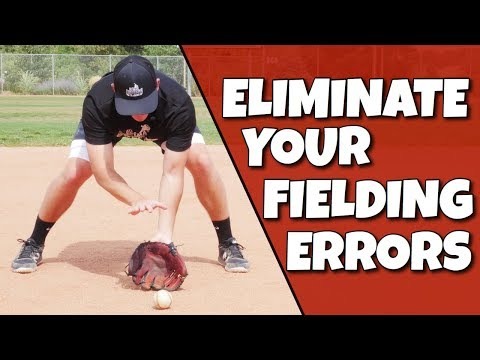
A ball that skips under a well-placed glove can be a bad hop. Watch the final bounce to tell that apart from a glove that keeps arriving late.
Say a beginner holds the glove correctly until the roller reaches the shoes, then lifts it out of the way. Roll another slow one and watch that single movement. For a fly ball that lands behind the fielder, a shorter toss makes the first step easier to see.
When to pause: fear, glare, and unsafe conditions
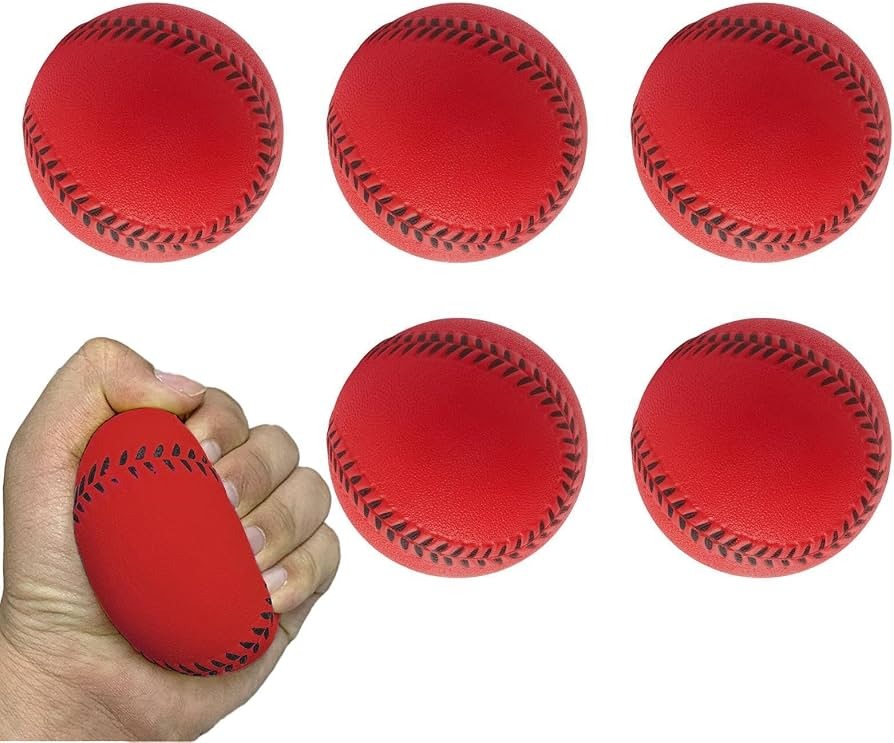
A fielding drill needs a ball you can see, a clear catching area, suitable equipment, and an adult running the practice. A hazardous surface or another player crossing the lane can make a familiar catch unsafe.
The Little League Safety Code covers field inspection, equipment, spacing, conditions, and adult responsibility for player safety.
- Visibility: If sunlight or another obstruction hides the ball, stop that catch and change the direction or conditions before the next toss.
- Surface: Clear holes, debris, and other hazards from the practice lane, or move elsewhere.
- Spacing: Keep everyone else out of the path of a missed grounder or toss.
- Equipment: Check the glove and ball, and use practice equipment that suits the player and the drill.
- Comfort: If your player flinches, turns away, or wants to stop, let them pause without pressure.
- Supervision: A responsible adult manages the rolls and tosses and the activity around them.
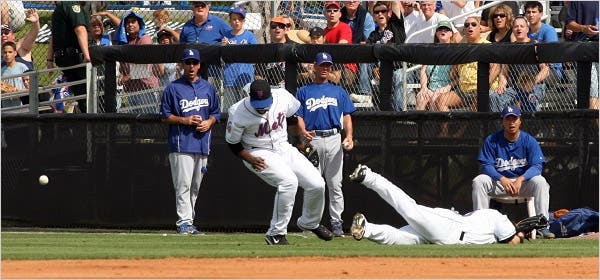
A child may catch warm-up tosses fine and then lose a higher ball in bright sun during a game. A player who has been hit by a ball may also need gentler practice before feeling comfortable again.
If a player is hurt or shows signs of injury, stop the activity and follow the league's emergency or medical procedures. Softer training balls make a gentler introduction, but they do not remove the risk of injury.
A backyard or small-team fielding setup
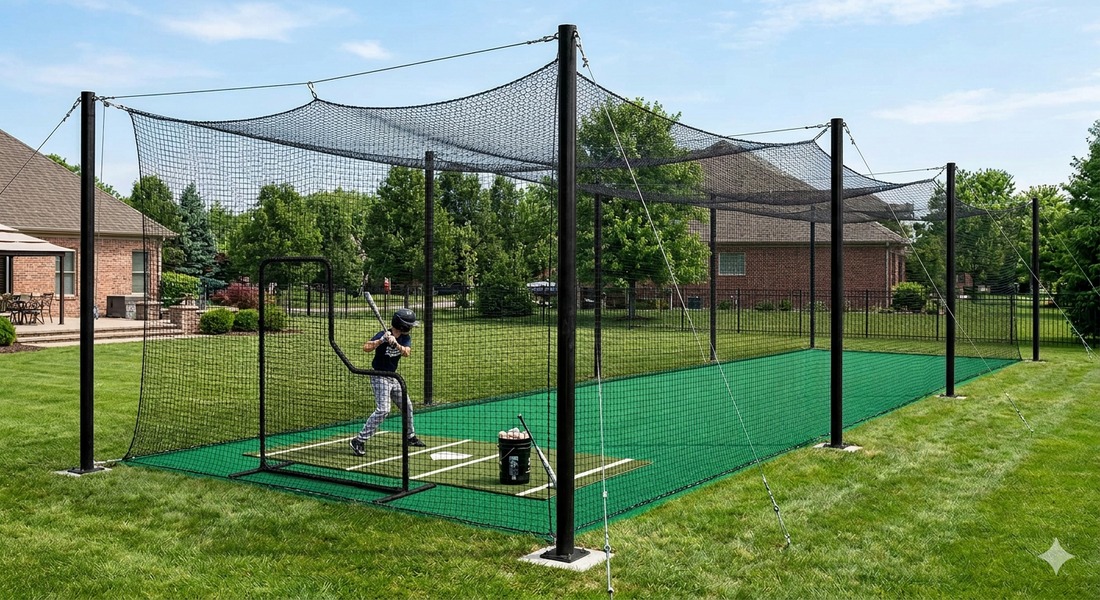
With one adult and one player, mark a single clear lane and keep spare balls next to the thrower. In a small group, stagger the fielders, name the receiver for each ball, and keep everyone else out of the active lane. Little League's introductory tee-ball exercises use staggered players and calls. Baseball Positive describes a mini diamond about 20 to 25 feet on each side as one coaching example. If you lack space for a clear lane away from people and obstacles, use another location or practice the stationary catching position without a moving ball.
When to move on and when to repeat the easy version
Good control—not a fixed number of catches—is the signal to progress. Look for the player tracking the ball, arriving balanced, securing it, and being ready for another attempt.
| What to assess | Try one small increase | Keep it easy or reset |
|---|---|---|
| Tracking | Eyes follow the ball into the glove | Ball is lost or seen too late |
| Footwork | Player reaches a balanced catching position | Player freezes, leans, or reaches awkwardly |
| Glove control | Ball enters the pocket and stays | Pocket direction or hold is still shaky |
| Comfort | Player stays alert and willing to repeat | Player flinches, pulls away, or wants a break |
The next challenge can be modest: a grounder just to one side, or a pop-up requiring one step. A player may be ready to advance in one skill while staying with easier drills in the other.