 Weather: 614-526-6500

Watching your first game, signing up a child, or volunteering as a coach? Each calls for a different starting point. Use this guide to get oriented, then follow the path that matches what you want to do.
Baseball in two minutes: runs, outs, and innings
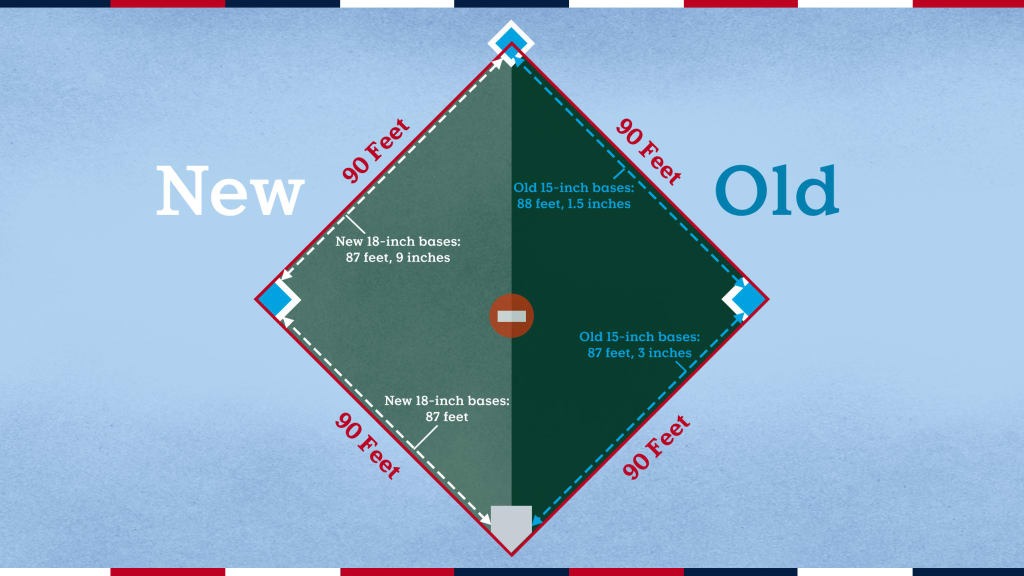
Baseball has two teams that take turns batting and playing defense. The batting team scores runs by moving around four bases in order: first, second, third, and home plate. The fielding team tries to get outs before runners can score.
The pitcher throws the ball toward the batter, and the catcher is behind home plate. After a hit, the batter becomes a runner while fielders try to catch the ball or make other plays for outs.
Three outs end a team's turn at bat, called a half-inning. After both teams have batted, the inning is complete. For a play-by-play explanation, see how innings and three outs switch batting teams.
A Major League Baseball game is scheduled for nine innings. Youth leagues and adapted baseball programs can play shorter games under their own rules.
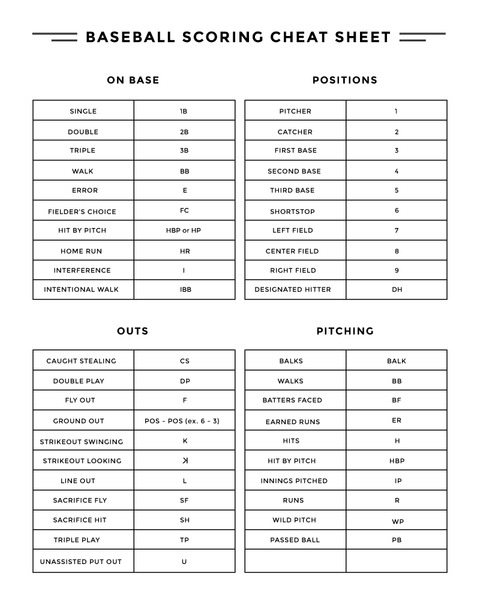
Imagine arriving halfway through a game. One team is batting with two outs, and a runner is standing on third base. If that runner reaches home safely, the batting team scores a run. Once the fielding team makes its third out, the teams switch roles.
When watching, follow the batting team, the number of outs, and whether runners reach home plate. The baseball rules guide covers balls, strikes, fair and foul balls, and other situations when you're ready to go deeper.
Choose your starting point in baseball
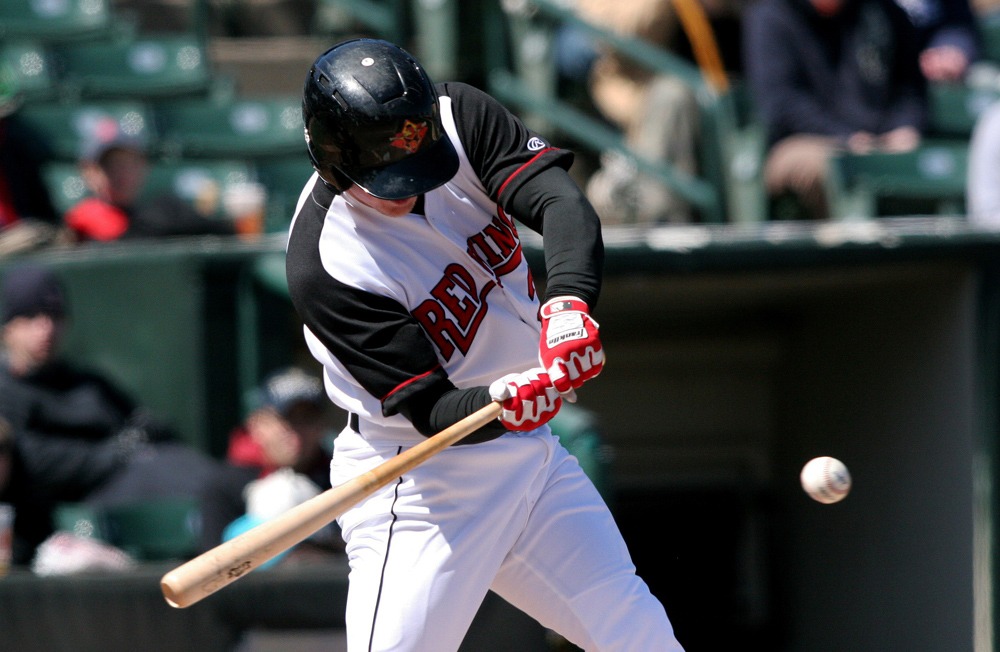
A parent signing up a child, a fan at a first game, and a new volunteer coach need different things. Find your situation below.
| Your situation | Start with | Where to go next |
|---|---|---|
| You're watching a game and losing track of the action | Innings, outs, runs, and basic rules | Understand baseball rules |
| You want to try playing | Throwing, catching, hitting, and fielding | Learn beginner baseball skills |
| Your child wants to join a team | Youth formats, league age, and registration | Explore youth baseball |
| You need your first glove, bat, or helmet | What your league requires and supplies | Choose baseball equipment |
| You're looking for an adaptive format | Accommodations and adaptive formats | Explore adaptive baseball |
| You've volunteered to help a team | Rules, practice planning, and coaching responsibilities | Start coaching baseball |
Adults who want to play can look for recreational teams through local sports organizations. Their enrollment systems differ from those used for youth teams. See how to find a place to play below.
Parents choosing a program need registration details before buying equipment. Spectators who want to follow a game can go straight to the rules.
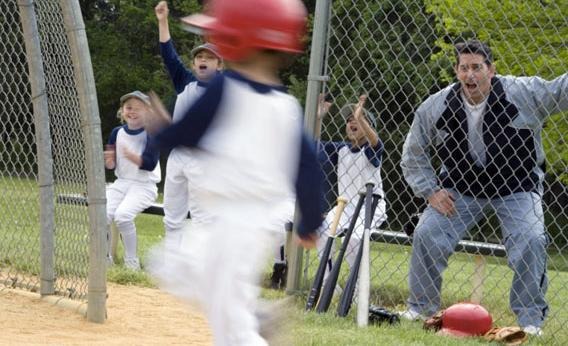
Find a place to play: youth and adult entry paths
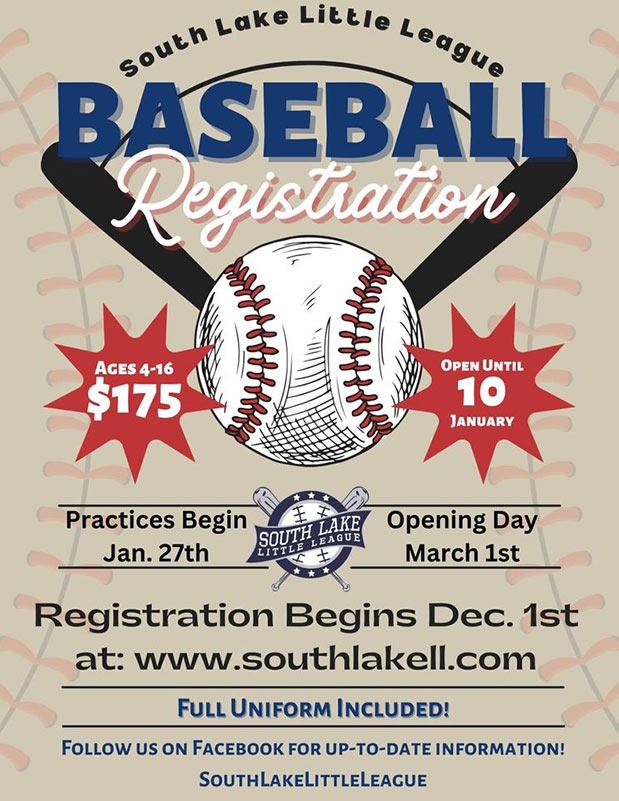
Families entering youth baseball should first find a local program. Little League's official League Finder takes a home or school address and suggests a league. Check that the address is plotted correctly and that the local league counts it inside its boundary. The league decides registration availability and which divisions it offers.
Common youth formats include:
- Tee Ball: Young players start with hitting, fielding, and the flow of the game.
- Coach pitch: Developing hitters face pitches thrown by a coach.
- Kid pitch: Youth players pitch to other youth players, which adds new responsibilities for batters, fielders, and coaches.
Divisions and progression differ by local organization. A family that has just moved might find a nearby diamond, but the Little League boundary check uses the home or school address.
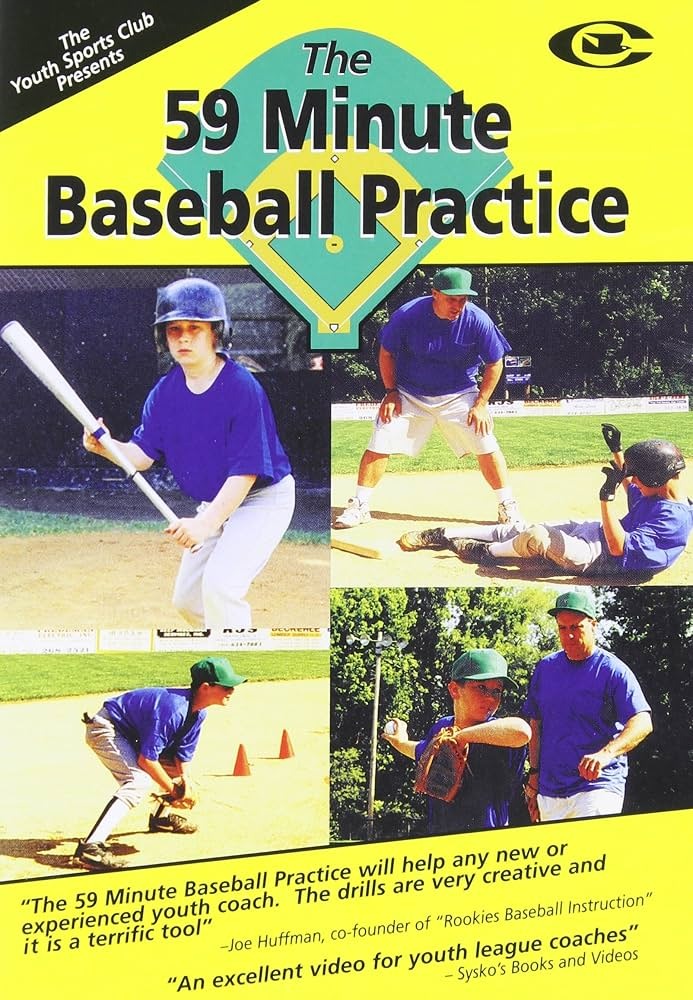
Adult newcomers can look through recreation departments, community sports organizations, and local leagues. Useful enrollment questions cover beginner places, expected experience, practice days, and the sign-up process.
What you need before the first practice, and what can wait
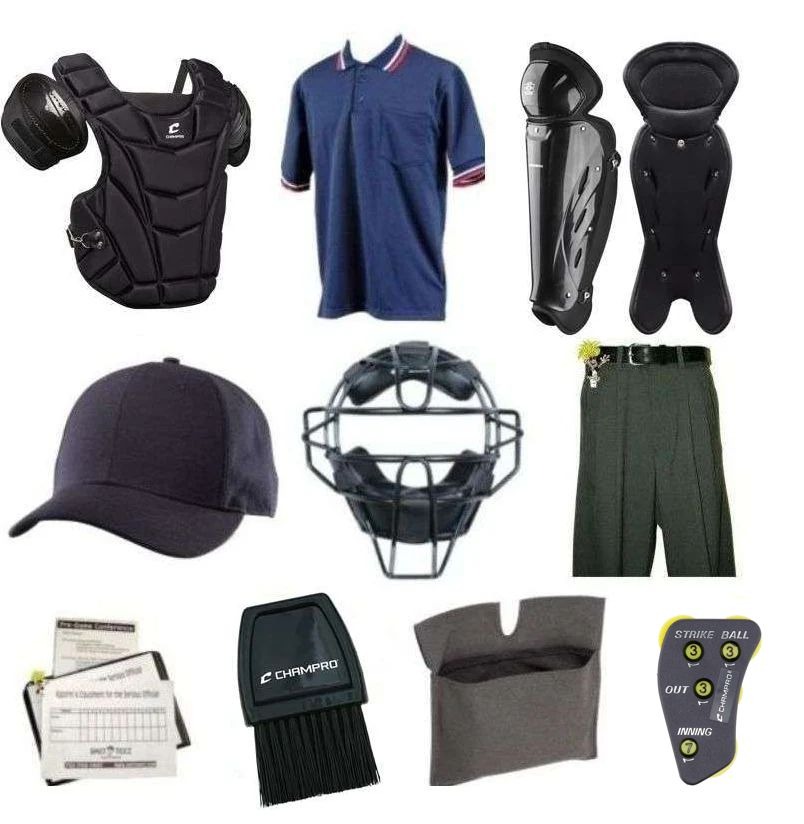
A glove, bat, helmet, footwear, and team clothing may all appear on a shopping list, but the division and the team's own inventory determine which pieces you actually need to provide.
One parent preparing for a child's first Little League season described the problem:
y youngest is starting Little League this spring and it’s completely new to us. None of us in the family grew up playing baseball, so I feel like I’m learning everything from scratch. Do kids usually need their own bat, glove, helmet, etc., or does the team typically provide some of that? I don’t want to show up unprepared, but I also don’t want to buy a bunch of stuff we might not actually need. Any tips for first-time Little League parents would also be appreciated!
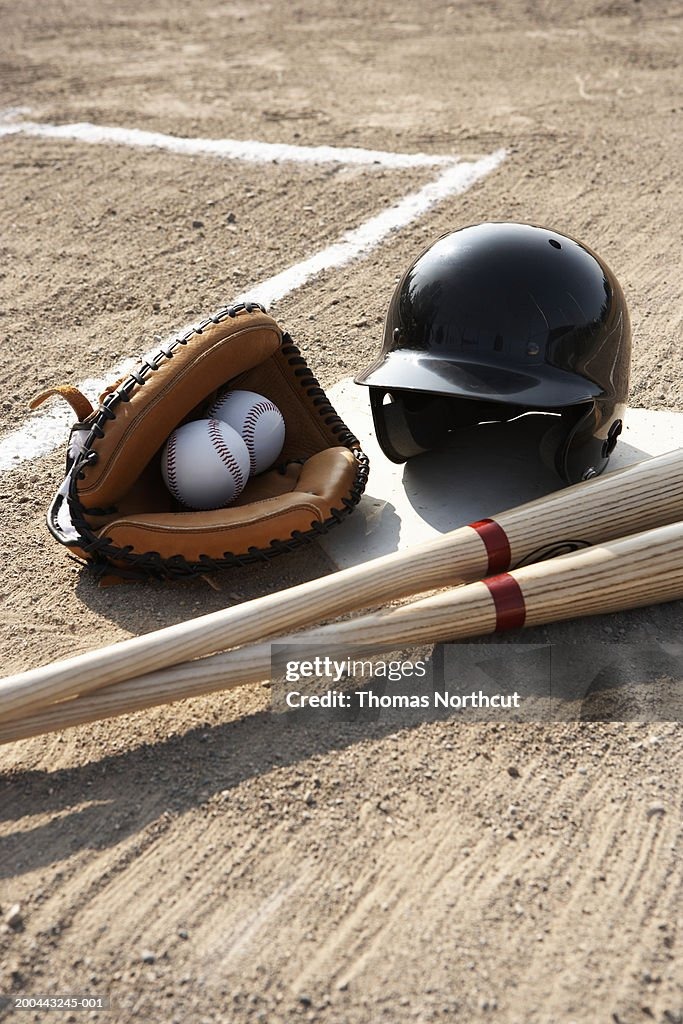
Ask the league to sort its equipment rules into four groups:
- You provide: Items you're responsible for getting.
- Provided or shared: Team equipment for practices or games.
- Optional: Accessories that can wait until the player knows what's useful.
- Must meet league rules: Bats and protective gear covered by your division's requirements.
Borrowed or secondhand gear makes sense when the team allows it and the item fits the player. A bat's look or price doesn't prove the league approves it.
An organizer can distinguish required purchases from shared or optional equipment. Once the division is known, the baseball equipment guide explains which choices warrant closer attention.
Choose a format that fits your goals and circumstances
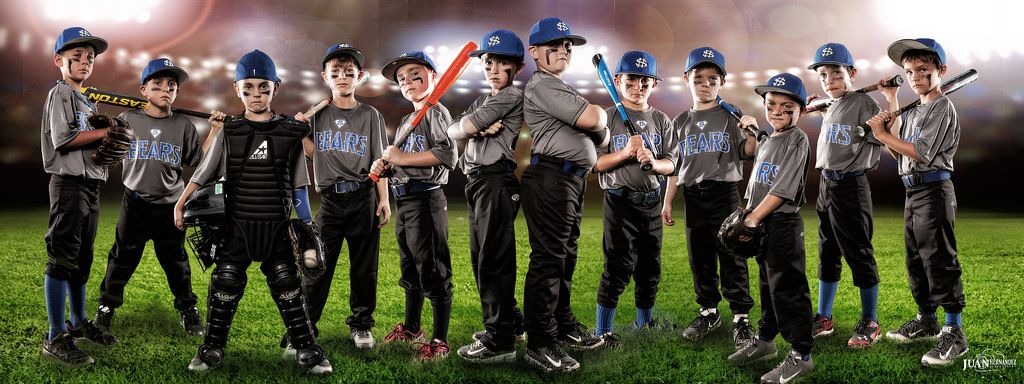
For families comparing recreational and travel baseball, the choice comes down to the player's preferences and the family's time, travel capacity, and budget.
Recreational baseball, also called house or rec baseball, is the local option. Travel or select baseball involves team selection, extra competition, and more travel.
| Decision factor | Questions for recreational baseball | Questions for travel or select baseball |
|---|---|---|
| Playing experience | Can a new or developing player join? | What experience or tryout process is expected? |
| Schedule | How often are local games and practices? | Which additional practices, tournaments, and travel dates apply? |
| Cost | What are the registration and required equipment charges? | What are the team, tournament, equipment, and travel expenses? |
| Player's preference | Does the player enjoy this pace and environment? | Does the player want the particular competitive experience? |
A competitive program rewards a player who enjoys the demands. It also cuts into family weekends and other activities. Enjoyment, friendships, and personal improvement are worthwhile goals. A scholarship or college roster spot is not a promised outcome of travel baseball.
Accessibility is a separate decision. A player who needs accommodations can join a conventional program with support or choose an adapted format. Little League's Challenger Division serves participants with physical or intellectual challenges, and Miracle League programs offer another approach. Ask each organizer about eligibility, facilities, and assistance.
The adaptive baseball guide explains the participation formats. Before comparing programs, decide your priorities for time, travel, cost, competition, and accommodations.
Learn the first baseball skills without overcomplicating practice
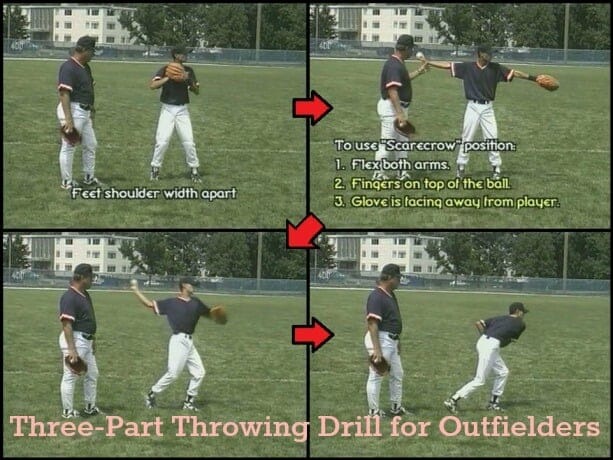
Throwing and catching provide an approachable first exercise. Hitting pitched balls, fielding grounders and flies, and running the bases add new decisions. The beginner baseball skills guide breaks those movements into separate techniques.
Starting as a volunteer coach
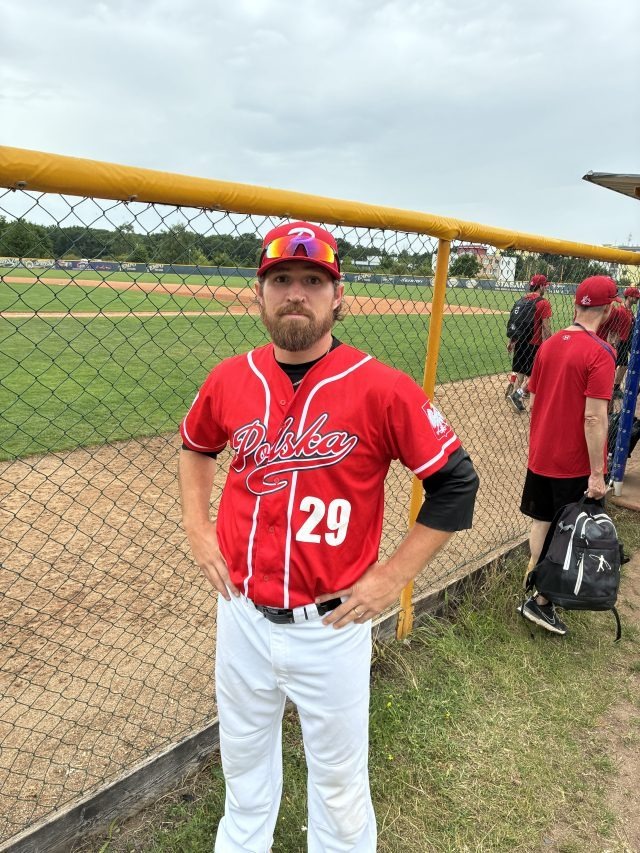
A new coach needs the league's rules, a practice plan you can manage, and a way to talk with players and their families. You're responsible for supervision, player development, and decisions about who plays. Practice stations and player safety come next: build only as many practice stations as you can supervise.
Little League's guidance for new coaches covers assessing players, organizing structured practices, teaching fundamentals, limiting idle time, and giving players breaks.
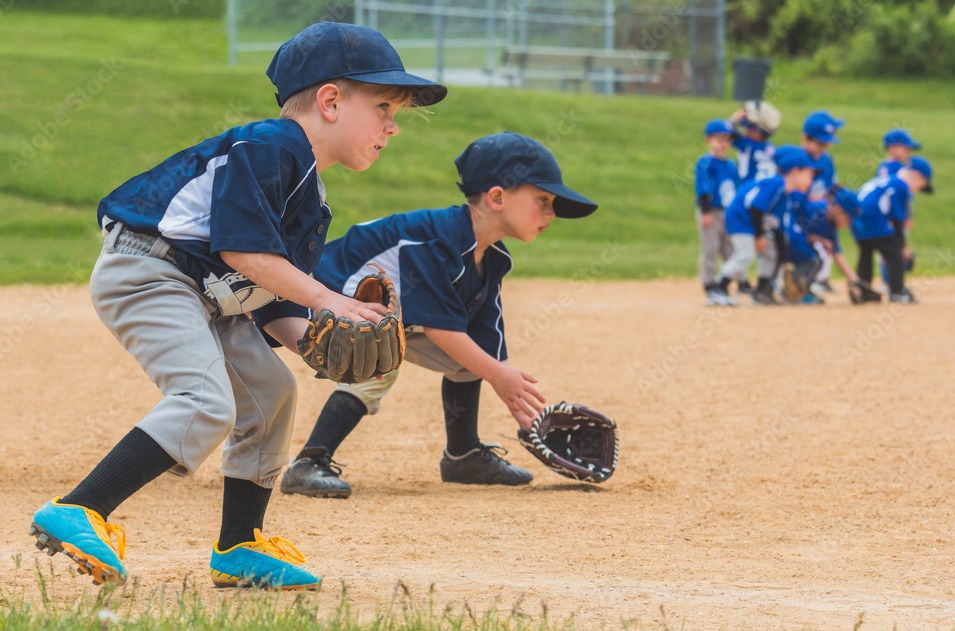
If a parent is concerned about a child catching or pitching, listen first, then work within the league's assignment, equipment, and supervision policies.
Coaching begins with the organization's training requirements, rulebook, and procedures for player and parent concerns. The baseball coaching guide then turns to planning sessions and teaching the first skills.
Check what changes by league and season
The organization, division, and season determine which baseball rules and participation requirements apply. Age eligibility is an early registration question; bat standards matter when choosing equipment. The Little League division age ranges explain the Tee Ball and Minor League paths.
| Detail | Who sets it | What it covers |
|---|---|---|
| League age | Official Little League season guidance | Age classification for the intended season |
| Registration boundary | Little League or the local organizer | Address eligibility for the youth program |
| Bat certification | Governing league's division rules | Permitted standard for the player's division |
| Equipment and fees | Local organizer | What the program provides and what it charges |
| Program dates | Local league or recreation provider | Season schedule and enrollment |
| Coaching policies | Governing organization and local league | Training, supervision, and participation requirements |
Little League Baseball uses August 31 of the applicable year to determine league age. Its official league-age resources have season-specific charts.
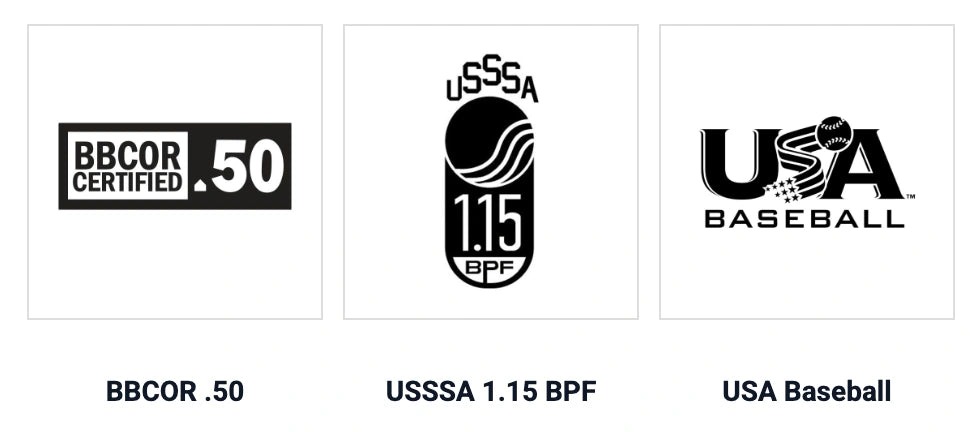
Bat eligibility also depends on division. In Little League Baseball, Tee Ball, Minor League, and Major League use USABat. Intermediate (50/70) and Junior League allow USABat or BBCOR. Senior League requires BBCOR. Compliant one-piece solid-wood bats can be exempt from those certification-mark requirements under the division rules, with separate conditions for Tee Ball. The Little League bat-standard FAQ sets out these distinctions.
For families comparing bat rules across seasons, Little League's July 7, 2026 notice says a USA BBCOR certification-governance change does not affect the 2026 Intermediate (50/70), Junior League, and Senior League Baseball tournaments or the 2027 seasons.